NFT Utility Beyond Art
Introduction to NFTs
What Makes a Token 'Non-Fungible'?
You've probably heard of Bitcoin or Ethereum. These are cryptocurrencies, and they have a key property: they're fungible. This means that one Bitcoin is identical to another, just like one dollar bill is the same as any other dollar bill. If we swap them, nothing of value is lost. They are interchangeable.
Fungible
adjective
Able to be replaced by another identical item; mutually interchangeable.
A Non-Fungible Token (NFT), on the other hand, is the opposite. Each one is unique and cannot be replaced with another. Think of it like the Mona Lisa. There's only one original painting. You can take photos of it or buy prints, but you can't swap it for another painting and claim it's the same thing. An NFT is a digital certificate of ownership for a unique item, whether that's a piece of art, a song, or even a ticket to an event.
Non-Fungible Tokens (NFTs) are a type of digital asset that represents a proof of ownership over a particular digital item such as art, music, or real estate.
The Role of the Blockchain
So, how does an NFT prove ownership? It relies on blockchain technology, the same distributed ledger system that powers cryptocurrencies. When an NFT is created, or "minted," its information is recorded on a blockchain. This information includes who created it, who owns it now, and a history of every time it has been sold.
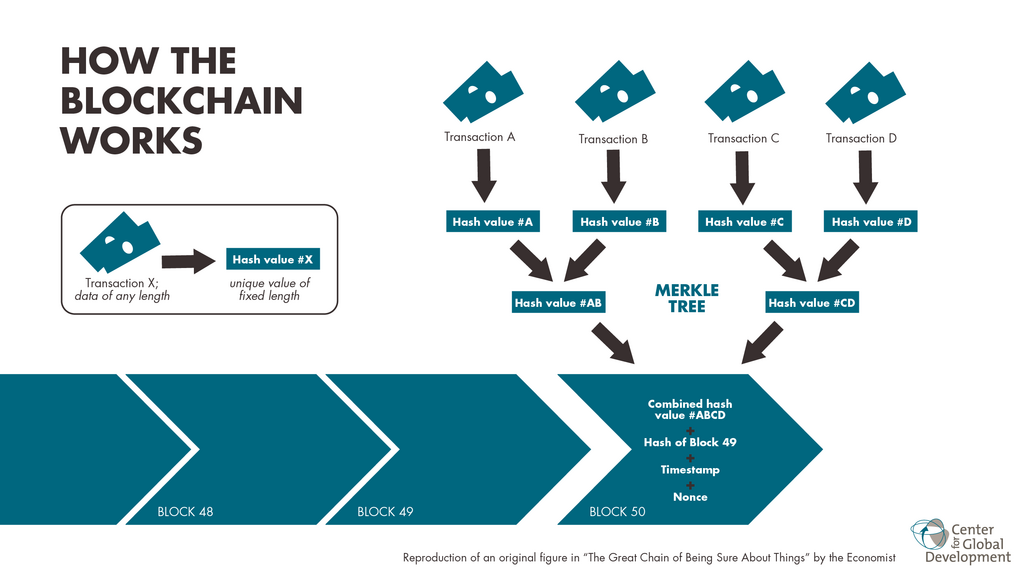
Because the blockchain is decentralized, this record isn't stored in one place. It's copied and spread across thousands of computers worldwide. This makes the record incredibly secure and permanent. No single person or company can alter the ownership details, which means the record is verifiable by anyone. This system provides a level of authenticity that's hard to achieve with physical items, let alone other digital files that can be copied endlessly.
The blockchain acts as a global, public receipt that proves you own the original digital item. Even if the item is copied, the blockchain shows who holds the authentic version.
Ownership in a Digital World
Before NFTs, proving you owned a digital file was nearly impossible. If you created a digital painting, someone could just right-click and save it. Who owned the "original"? It was a fuzzy concept.
NFTs solve this. While anyone can still view or download a copy of the digital art associated with an NFT, only one person can own the token itself. The token is the official, verifiable proof of ownership. It separates owning the original from simply having a copy, just like owning the Mona Lisa is different from owning a postcard of it.
This creates true digital scarcity and authenticity. For the first time, digital assets can have a unique identity and a clear chain of custody, making them valuable as collectibles, art, and more.
Let's review these core ideas before we move on.
Ready to check your understanding?
Which of the following best describes a "fungible" asset?
What technology is the foundation for creating and verifying NFTs?
Understanding these basics of what NFTs are and how they use blockchain technology is the first step. It's a new way of thinking about what it means to own something in our increasingly digital lives.