Next Steps in Coding
Programming Basics
What Is Programming?
At its core, programming is simply telling a computer what to do. Think of it like writing a very detailed recipe. A recipe has a list of ingredients and a set of step-by-step instructions. If you follow them precisely, you get a delicious cake. If you miss a step or use the wrong ingredient, you might end up with a mess.
A computer program is similar. It's a set of instructions written in a language the computer can understand. The computer follows these instructions exactly to perform a task. This could be anything from calculating a sum, to displaying a photo on your screen, to running a complex video game.
The purpose of programming is to solve problems. We write programs to automate repetitive tasks, analyze huge amounts of data, create new forms of entertainment, and connect people across the globe. Nearly every piece of technology you use, from your smartphone to your car, runs on code written by programmers.
Languages for Computers
Just as people speak different languages, there are many different programming languages. Computers don't understand English or any other human language directly. They think in terms of electrical signals, which we represent as ones and zeros. Programming languages act as a bridge, allowing us to write instructions in a way that is more readable for us, which can then be translated into the ones and zeros a computer understands.
There are hundreds of programming languages, each with its own strengths and weaknesses. Some are great for building websites, others excel at scientific calculations, and some are designed for creating mobile apps. Choosing the right language is like a carpenter choosing the right tool for a job. You wouldn't use a sledgehammer to drive a small nail.
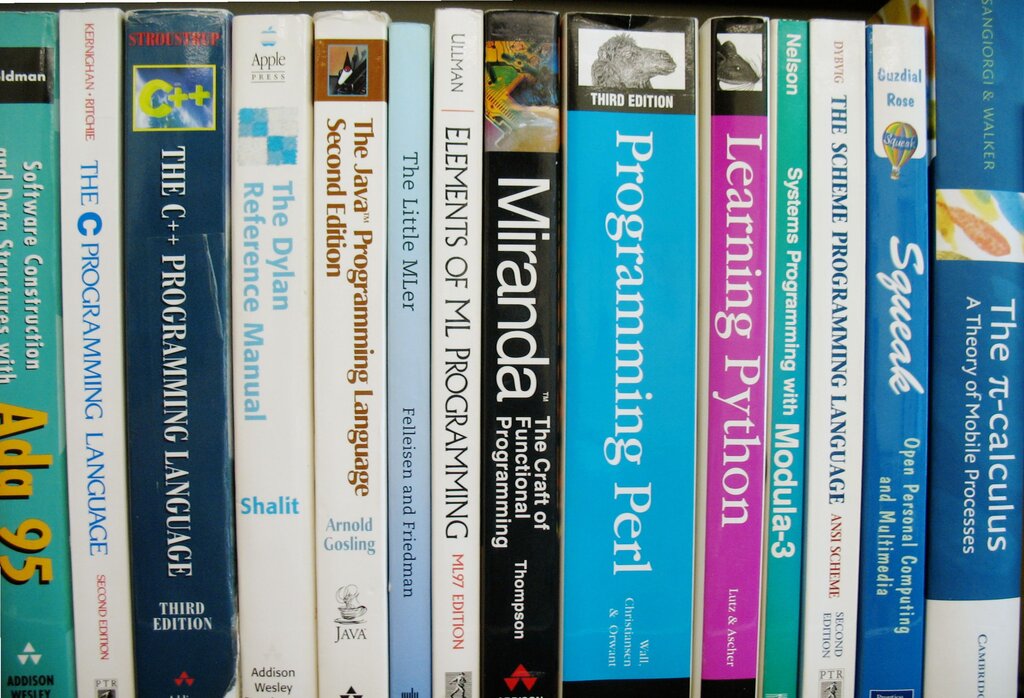
For example, Python is popular for its simple, readable style and is widely used in data science and artificial intelligence. JavaScript is the language of the web, running in your browser to make websites interactive. C++ is known for its high performance, making it a common choice for video games and operating systems. You don't need to know all of them; most programmers specialize in just a few.
Anatomy of a Simple Program
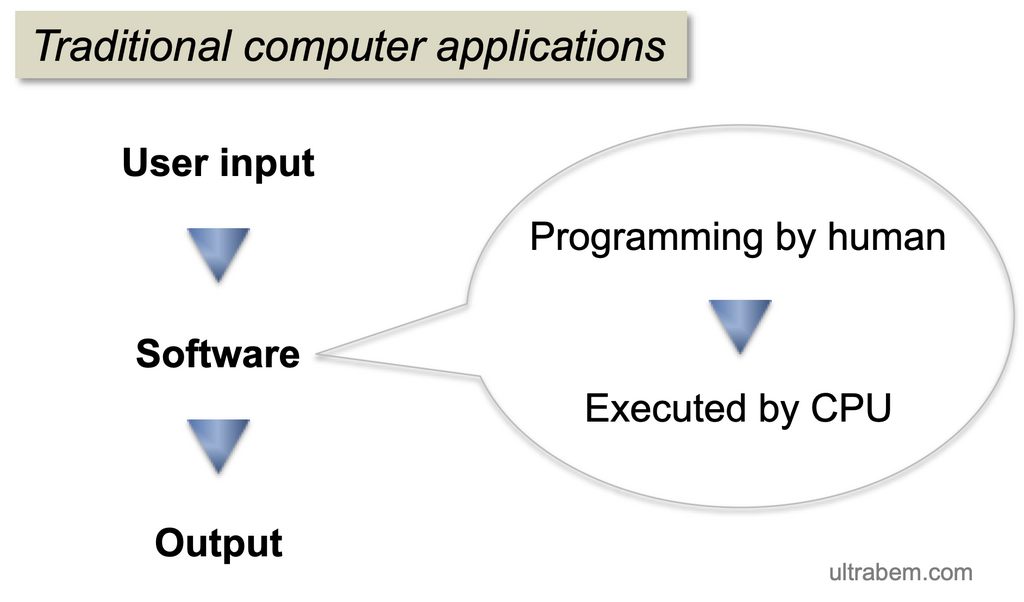
Despite the variety of languages, most simple programs share a fundamental structure. You can think of it as a three-part process: input, processing, and output.
- Input: The program gets data from a source, like a user typing on a keyboard, a file on a disk, or a sensor.
- Processing: The program takes the input and performs some actions on it. This could involve math, sorting data, or changing text.
- Output: The program shows the result of its processing, perhaps by displaying it on the screen, saving it to a file, or sending it to another device.
A classic first program for any new programmer is one that simply prints the text "Hello, World!" to the screen. This is a simple example of the output stage. It doesn't require any input or complex processing, but it's a great way to confirm that your programming setup is working correctly.
# This is a comment. It's a note for humans; the computer ignores it.
# This program demonstrates the 'output' stage.

print("Hello, World!")
This single line of code instructs the computer to display the phrase inside the quotation marks. It's a small first step, but it contains the fundamental idea of programming: giving a precise command to a computer and having it execute that command.
At its most basic level, programming is best described as:
The primary reason for the existence of many different programming languages is that different languages are suited for different tasks.