Next French Election Candidates
French Political System
A Tale of Two Leaders
France's political system is unique. It's not quite a presidential system like the United States, nor is it a parliamentary system like the United Kingdom. It's a hybrid, often called a semi-presidential system. This means power is shared between a president, who is the head of state, and a prime minister, who is the head of government.
This dual leadership structure was established by the constitution of the Fifth Republic in 1958. The goal was to create a strong, stable executive branch, avoiding the political instability that plagued the previous Fourth Republic. Let's break down how this works in practice.
The President and Prime Minister
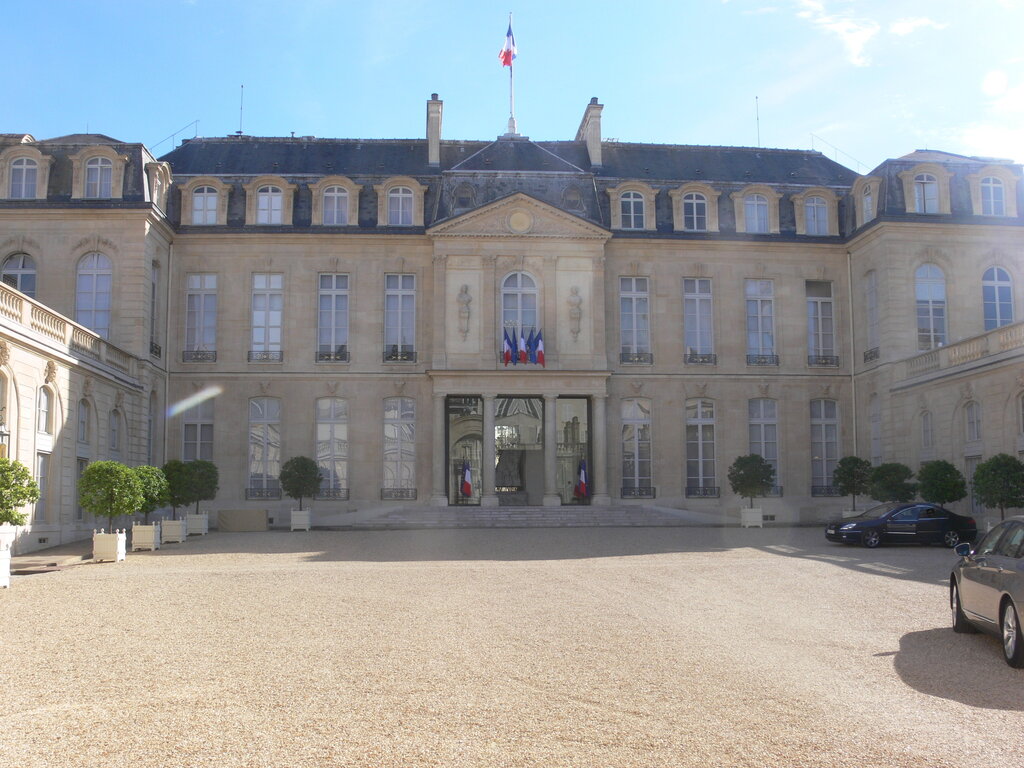
The President of the Republic is the most powerful figure in French politics. Elected directly by the people for a five-year term, the president is the symbol of the nation. They are the commander-in-chief of the armed forces, oversee foreign policy, and can dissolve the lower house of parliament. The president resides in the Élysée Palace in Paris.
The Prime Minister, on the other hand, is appointed by the president. Their main job is to run the day-to-day operations of the government, managing domestic policy and leading the cabinet of ministers. While the president sets the direction, the prime minister handles the details.
Crucially, the prime minister and their government must have the support of a majority in the National Assembly, the more powerful of the two houses of parliament. If the president's political party also controls the National Assembly, the prime minister is usually a key ally, and the president holds most of the effective power. But if an opposition party wins a majority in parliament, the president is forced to appoint a prime minister from that party. This power-sharing arrangement is known as cohabitation. During cohabitation, the president's power is significantly reduced, focusing mainly on foreign affairs, while the prime minister controls domestic policy.
The Two Houses of Parliament
The French Parliament is bicameral, meaning it has two chambers: the National Assembly and the Senate.

The National Assembly is the lower, and more powerful, house. Its 577 members, called députés, are directly elected by the people for five-year terms. The Assembly's primary role is to debate and vote on legislation. It also holds the government accountable. If a majority of deputies vote for a motion of no confidence, the government is forced to resign. This power ensures the prime minister always has the backing of the elected chamber.
The Senate is the upper house. Its 348 senators are not directly elected by the public. Instead, they are chosen by an electoral college of about 162,000 local elected officials, like mayors and regional councilors. Senators serve six-year terms, with half the seats up for election every three years. The Senate shares legislative duties with the National Assembly, but in cases of disagreement, the National Assembly has the final say. Because of its indirect election, the Senate is often seen as a more moderating, conservative force in French politics, representing the interests of France's territories and rural areas.
How France Votes
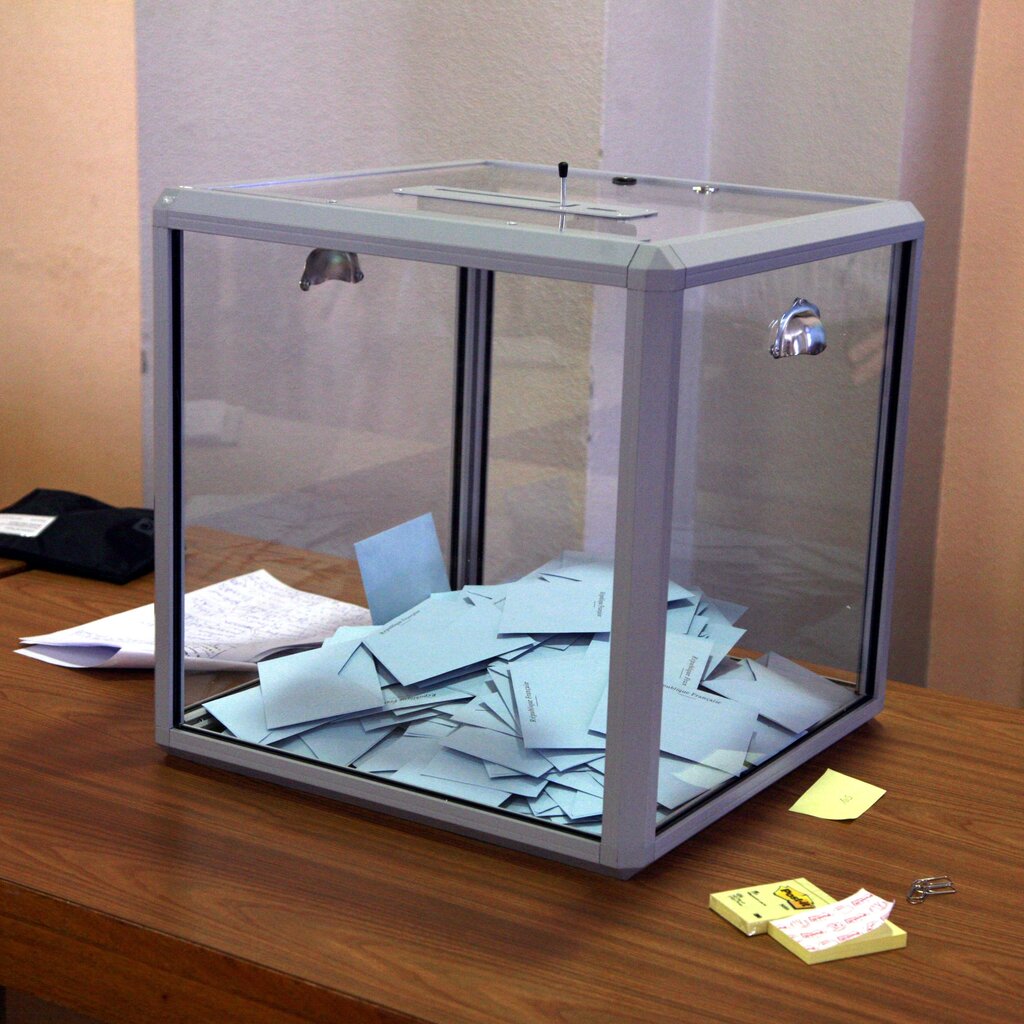
Most major elections in France, including for the presidency and the National Assembly, use a two-round system. It's simple: to win in the first round, a candidate must get an absolute majority of the vote (more than 50%). This is rare.
If no one wins outright, a second round is held two weeks later. In the presidential election, only the top two candidates from the first round advance. For legislative elections, any candidate who received votes from at least 12.5% of registered voters can proceed to the second round, which often results in a head-to-head contest between the top two contenders.
This system encourages voters to vote with their hearts in the first round and with their heads in the second. It also pushes parties to form alliances between the two rounds and tends to screen out more extremist candidates, as they struggle to build the broad coalitions needed to win a runoff.
The current political structure, the Fifth Republic, was established in 1958 by Charles de Gaulle. It was designed to create a more powerful and stable executive after the parliamentary Fourth Republic was paralyzed by frequent changes in government.
Now, test your understanding of how these different parts of the French government work together.
France's political system, which shares power between a president and a prime minister, is best described as a...
What is the term for the political situation in France when the President is from a different political party than the majority in the National Assembly?
Understanding this framework of shared power, checks and balances, and electoral rules is key to making sense of French politics. The relationship between the president, prime minister, and the two houses of parliament defines the country's political landscape.