Next Apple CEO Case Study
Apple's Leadership Evolution
The Visionary Founder
Steve Jobs wasn't just a CEO; he was a force of nature. His leadership style was legendary for its intensity, charisma, and relentless focus on the product. As a co-founder, he treated Apple not just as a company, but as an extension of his own creative vision. He was famously involved in the minute details of design, from the curve of a corner on a monitor to the exact shade of blue in an icon.
This product-centric approach defined Apple's culture. Jobs believed that creating insanely great products was the only thing that mattered. He pushed his teams to their limits, demanding perfection and innovation in a way that could be both inspiring and intimidating. His public presentations were masterpieces of salesmanship, turning product launches into global cultural events.
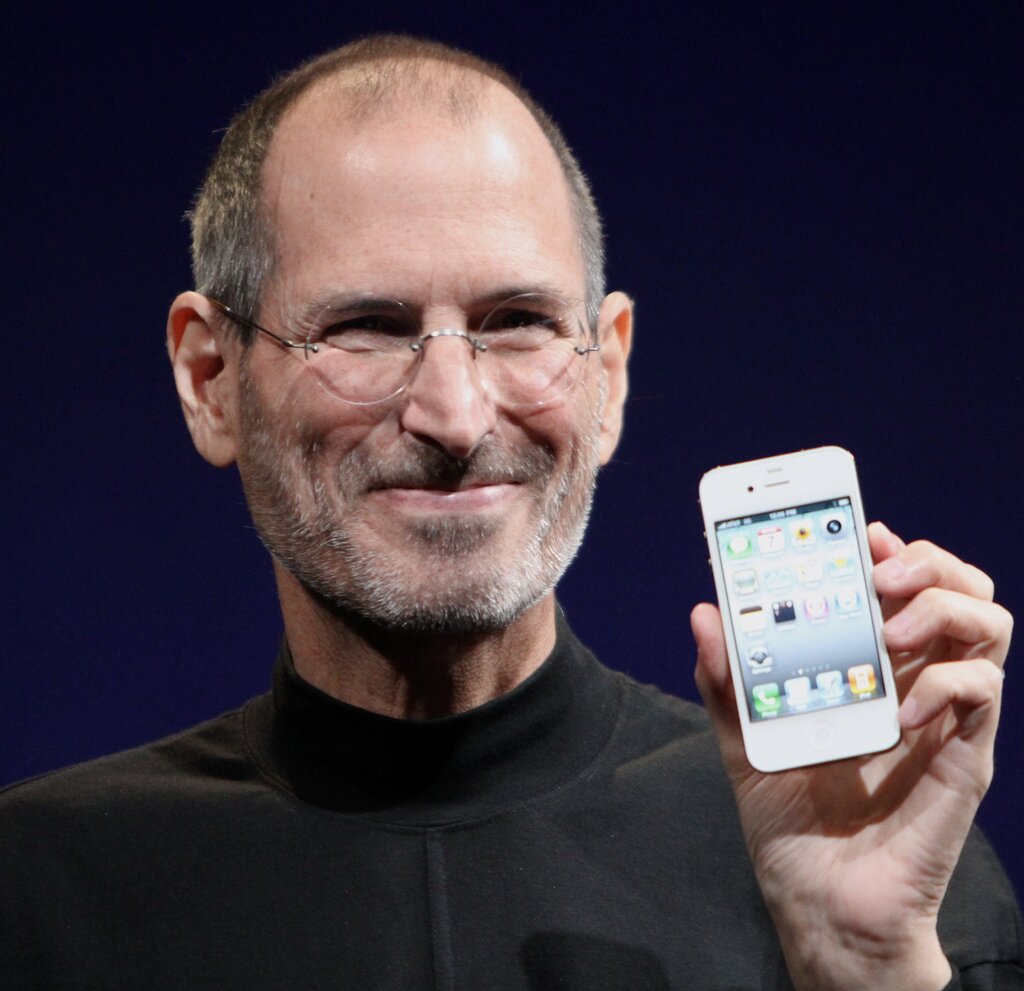
His legacy is one of a visionary who could see the future and bend reality to make it happen. But this created an enormous challenge for whoever would follow him. How do you replace a legend?
The Operations Master
Enter Tim Cook. His background couldn't have been more different from Jobs'. Before becoming CEO in 2011, Cook was Apple's Chief Operating Officer. He was the mastermind behind Apple’s incredibly efficient supply chain, a global network that was a marvel of logistics. While Jobs was the artist dreaming up the next big thing, Cook was the genius making sure it could be built and delivered to millions of people on time and at a profit.
Jobs knew that Apple needed more than just a visionary to survive and thrive. He needed a steady hand, someone who understood the complexities of running a massive global corporation. Cook was his handpicked successor, chosen for his discipline, calm demeanor, and operational expertise. He wasn't the next Steve Jobs, and he wasn't supposed to be.
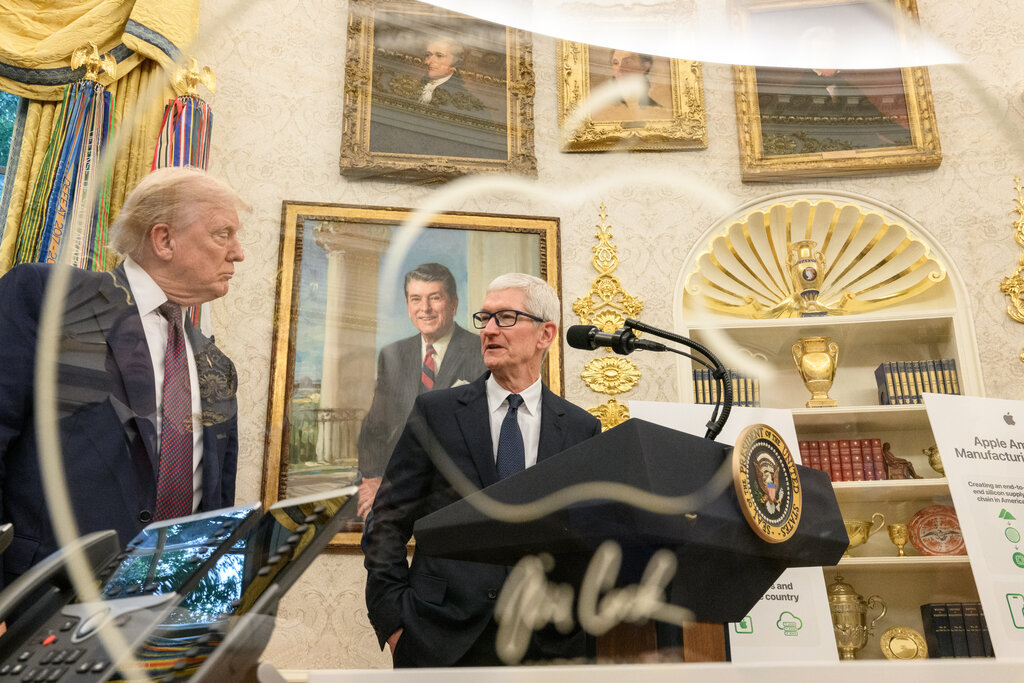
The biggest challenge for Cook was stepping out of Jobs' shadow. The world watched, skeptical. Pundits and investors questioned whether a supply chain expert could lead a company defined by creativity and product innovation. The pressure was immense. Every new product was immediately compared to the hits of the Jobs era, and every decision was scrutinized through the lens of "What would Steve do?"
Two Styles One Company
The contrast between the two leaders is stark, but it highlights how different leadership styles can be effective in different eras of a company's life. Jobs was the revolutionary founder who built the empire. Cook is the skilled diplomat and operator who has scaled it to unprecedented heights.
This table breaks down their different approaches.
| Feature | Steve Jobs | Tim Cook |
|---|---|---|
| Primary Focus | Product Innovation & Design | Operational Excellence & Services |
| Leadership Style | Charismatic, Intuitive, Demanding | Calm, Analytical, Collaborative |
| Public Persona | Showman, Visionary | Diplomat, Pragmatist |
| Decision Making | Top-down, instinct-driven | Data-driven, consensus-building |
| Company Culture | Product-first, secretive | More open, focused on values |
Cook did not try to imitate Jobs. Instead, he leaned into his own strengths. He fostered a more collaborative and less combative internal culture. He emphasized operational efficiency, steadily growing Apple's profits and market capitalization. He also expanded Apple's focus beyond hardware, pushing aggressively into services like Apple Music, iCloud, and the App Store, creating powerful, recurring revenue streams.
A founder's passion is crucial for starting a company, but a successor's pragmatism is often what allows it to endure and grow.
Let's review the two leaders we've just discussed.
Now, check your understanding of Apple's leadership evolution.
What was the central focus of Steve Jobs' leadership style at Apple?
Before becoming CEO, Tim Cook was renowned for his expertise in what area?
Ultimately, the transition from Jobs to Cook shows that leadership isn't one-size-fits-all. Cook's tenure has proven that a different kind of leader can successfully steer a company, building upon a powerful legacy while charting a new course.