News Feed Metrics Explained
Introduction to Metrics
What Are Metrics?
Metrics are simply ways of measuring things. Think of them as a scoreboard for a goal you're trying to achieve. On a social media platform, a team might want to know if a new feature is popular, if users are finding what they need, or if the platform is growing. Metrics turn these questions into numbers we can track.
Without metrics, understanding a platform with millions of users would be based on guesswork. Metrics provide concrete evidence about what’s actually happening. They help us see patterns, spot problems, and understand the impact of changes, from a small button tweak to a major redesign.
Two Flavors of Metrics
Metrics generally come in two types: quantitative and qualitative. They answer different kinds of questions, and the most complete picture emerges when you use both.
Quantitative metrics deal with numbers. They answer questions like "how many?" or "how often?". These are things you can count, like the number of daily visitors to a website or the number of times a video has been viewed. This type of data tells you what is happening in a clear, objective way.
Qualitative metrics, on the other hand, are descriptive. They answer the "why?" behind the numbers. This information is gathered through things like user surveys, interviews, or feedback forms. If you see that many people stop using a new feature after one try (a quantitative metric), you could use qualitative feedback to find out why they found it confusing or unhelpful.
| Category | Quantitative Metrics | Qualitative Metrics |
|---|---|---|
| Type of Data | Numerical (counts, percentages) | Descriptive (opinions, reasons) |
| Answers | "What?" or "How many?" | "Why?" |
| Example | 500 users clicked a button. | Users said the button was hard to see. |
From Data to Decisions
Metrics aren't just for collecting data; they're for making better decisions. They act like the dashboard in a car, providing vital signs about the platform's health and performance. If the numbers show that a feature is causing user frustration, a team can decide to improve or remove it. If metrics show high engagement with a certain type of content, the platform might choose to prioritize it.
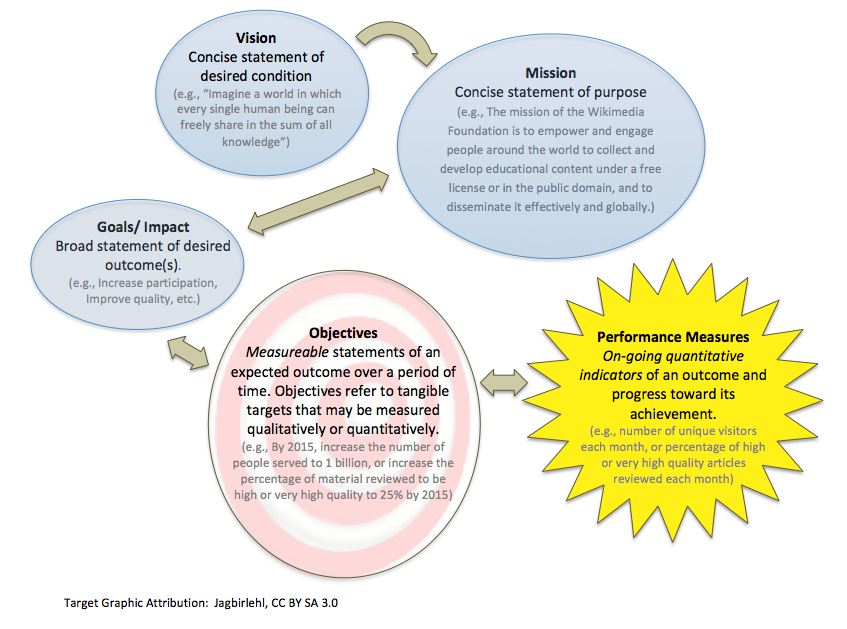
This process of measurement and response is cyclical. Teams set goals, use metrics to track progress, and then use that information to refine their approach.
Choose Metrics Aligned with Your Program’s Goals
A metric is only useful if it’s tied to a specific outcome. Simply counting things without a clear purpose doesn't lead to insight. By connecting measurement to a larger mission, teams can ensure they are focusing on what truly matters for improving the user experience.
Now that you understand the basics of what metrics are and why they matter, let's test your knowledge.
What is the primary function of metrics for a social media platform?
A team notices that 75% of users abandon their shopping cart before purchase. To understand the reasons behind this, what type of metric should they use?
With this foundation, you're ready to explore the different roles that metrics can play in building and maintaining a healthy platform.