Newborn Interaction and Development
Newborn Reflexes
Built-in Survival Skills
Newborns arrive with a set of automatic, involuntary responses called reflexes. These aren't learned behaviors but are crucial for survival in their first weeks and months. Doctors check for these reflexes to assess a baby's neurological health and development.
Feeding and Grasping
Many of a newborn's reflexes are centered around eating and interacting with their environment. The rooting reflex is one of the most important. If you gently stroke a baby's cheek, they will turn their head toward the touch with their mouth open, ready to find a nipple. This simple action is key to helping them begin feeding.
Once the baby finds the nipple, the sucking reflex takes over. When the roof of their mouth is touched, they begin to suck automatically. These two reflexes work together to ensure a newborn can eat.
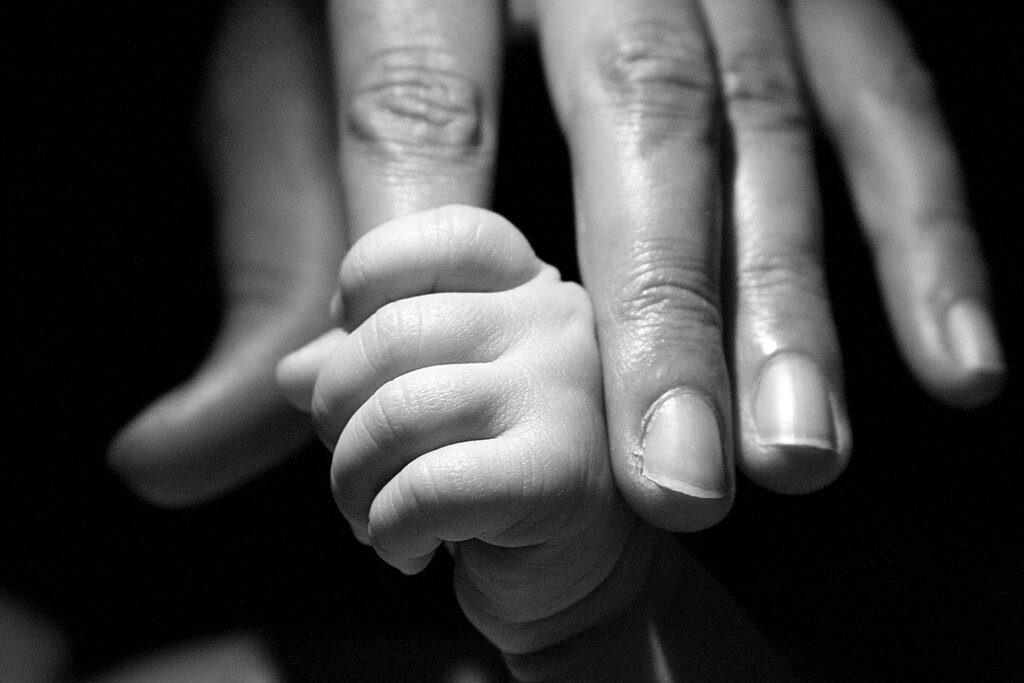
You'll also notice powerful grasping reflexes. The palmar grasp happens when you place a finger or object in a baby's palm. They will close their hand and grip it tightly. A similar response, the plantar grasp, occurs in the feet. Stroke the sole of their foot, and their toes will curl downward as if trying to grab on.
Startling and Stepping
The Moro reflex, often called the startle reflex, is a baby's response to a sudden noise or a feeling of falling. They will throw their head back, extend their arms and legs, cry, and then quickly pull their limbs back in. It's a dramatic response, but it's a completely normal sign of a healthy nervous system. This reflex typically disappears after a few months.
Another fascinating response is the stepping reflex. If you hold a baby upright with their feet on a flat surface, they will lift one foot after the other in a stepping motion. They aren't actually trying to walk, but this reflex is a precursor to the muscle movements they'll need later on.
| Reflex | Trigger | Response |
|---|---|---|
| Rooting | Stroking the cheek or mouth | Baby turns head and opens mouth |
| Sucking | Touching the roof of the mouth | Baby begins to suck |
| Palmar Grasp | Placing an object in the palm | Baby closes hand and grips tightly |
| Plantar Grasp | Stroking the sole of the foot | Toes curl downward |
| Moro (Startle) | Sudden sound or movement | Throws out arms and legs, then pulls them in |
| Stepping | Holding baby upright with feet on a surface | Lifts feet in a walking motion |
Let's review these key reflexes before we finish.
Now, let's see what you've learned.
If you gently stroke a newborn's cheek, they will turn their head toward the touch with their mouth open. What is this response called?
A baby's response to a sudden loud noise or a feeling of falling, where they throw back their head and extend their arms and legs, is known as the:
These reflexes are the foundation of a baby's physical development, providing them with the basic tools they need to navigate their new world.