Newborn Care in the First Two Months
Newborn Developmental Milestones
Your Newborn's First Two Months
The first eight weeks with a new baby are a whirlwind of change. While it might seem like all they do is eat, sleep, and cry, your newborn is busy learning and growing every single day. Every baby develops at their own pace, but here are some of the incredible milestones you can watch for during this foundational time.
Wired with Reflexes
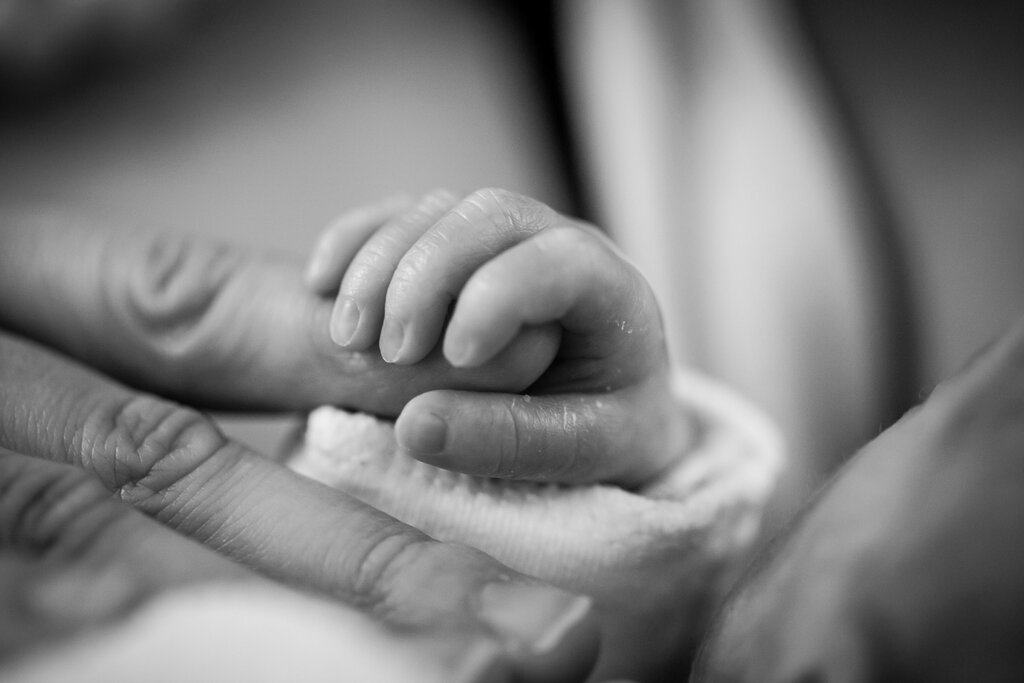
Newborns arrive with a set of amazing involuntary reflexes that help them survive. These are automatic responses to stimuli, and they are fascinating to watch. You'll notice your baby tightly gripping your finger if you place it in their palm—that's the palmar grasp reflex.
Another key reflex is for feeding. If you gently stroke your baby’s cheek, they will turn their head toward the touch and open their mouth, ready to eat. This is called the rooting reflex. It works in tandem with the sucking reflex, which allows them to draw milk from a breast or bottle.
Perhaps the most dramatic is the Moro reflex, or startle reflex. A loud noise or a sudden movement can cause your baby to throw out their arms and legs, arch their back, and then curl everything back in. It’s their built-in alarm system.
In these early weeks, your baby's movements will seem jerky and uncoordinated. Their nervous system is still maturing. They might spend a lot of time in a curled, fetal-like position. Head control is minimal at first, so it's crucial to always support their head and neck. During 'tummy time' on a firm surface, you might see them briefly lift their head and turn it from side to side. These small movements are hard work, building the strength they'll need for bigger milestones later on.
A World of Senses
From the moment they are born, babies use their senses to understand the world. Their vision is still developing; they can see best at a distance of about 8 to 12 inches, which is roughly the distance to your face when you're holding them. They are naturally drawn to faces and prefer looking at high-contrast patterns, like simple black-and-white images.
Your baby's hearing is much more developed. They've been listening to your voice for months in the womb and can recognize it now. They will often quiet down or turn their head when they hear you speak. Familiar, gentle sounds are comforting, while loud, sudden noises might startle them.
Touch is a powerful sense for a newborn. Skin-to-skin contact is not just comforting; it helps regulate their breathing and heart rate. Your baby's sense of smell is also sharp. They can recognize their mother's unique scent, which brings them a sense of security.
Your newborn's attention span is very short, often just a few minutes at a time. During these brief periods of quiet alertness, they are soaking in the sights and sounds around them. This is the beginning of cognitive development—the foundation of all future learning.
First Conversations
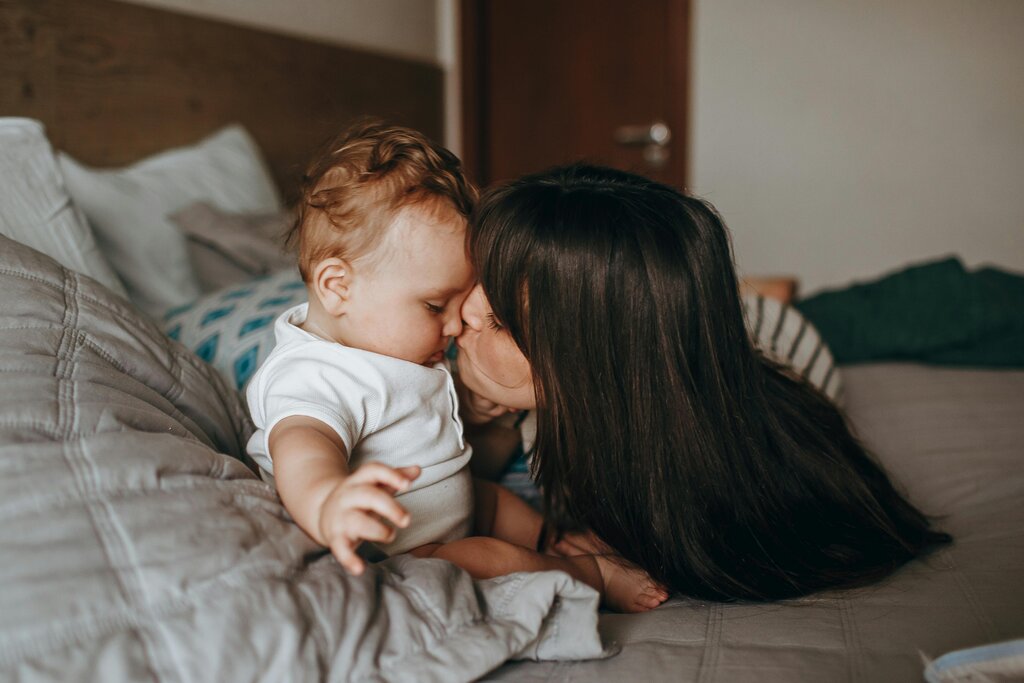
Social and emotional development starts from day one. The bond between you and your baby is built through countless small interactions. When you hold, soothe, and talk to your baby, you are teaching them that they are safe and loved. Responding to their cries teaches them that their needs will be met, which builds trust.
Responsive care filled with play and loving interactions help babies develop positive relationships, a healthy sense of self and beneficial stress management skills.
Your baby communicates primarily through crying. With time, you might start to notice different cries for hunger, discomfort, or tiredness. They also communicate in more subtle ways. They might turn their head away when they are overstimulated or become still and wide-eyed when they are interested in something.
One of the most anticipated milestones is the first social smile. This isn't the fleeting, reflexive smile you might see during sleep. Around the six- to eight-week mark, your baby may begin to smile purposefully in response to your voice or face. It’s their first real attempt at a back-and-forth social exchange, and it’s a powerful moment of connection.
Ready to check your knowledge about your newborn's development?
What is the rooting reflex in a newborn?
Which of the following best describes a newborn's vision?
These first couple of months are a period of rapid growth and discovery for your baby. By understanding these early milestones, you can better appreciate the amazing journey your little one has already begun.