Newborn Baby Development
Newborn Sensory Development
A Brand New World
From the quiet, muffled environment of the womb, a newborn enters a world buzzing with sensations. Lights, sounds, smells, and textures are all new and intense. For the first few weeks, a baby's main job is to learn how to process this flood of information. Their senses, while present, are still developing and refining themselves.

Seeing Clearly, Slowly
A newborn's vision is the least developed sense at birth. The world is a blurry place, especially things that are far away. Their vision is sharpest at a distance of about 8 to 12 inches, which is roughly the distance from a baby held in your arms to your face. This helps them focus on what's most important: their caregivers.
They are naturally drawn to faces and high-contrast patterns, like black and white stripes. While they can see color, it's not until a few months later that they can distinguish between similar tones. For now, bold, simple shapes are the most interesting things to look at.
Newborns see best from 8 to 12 inches away, the perfect distance to gaze at a parent's face while being held.
Tuned In From Day One
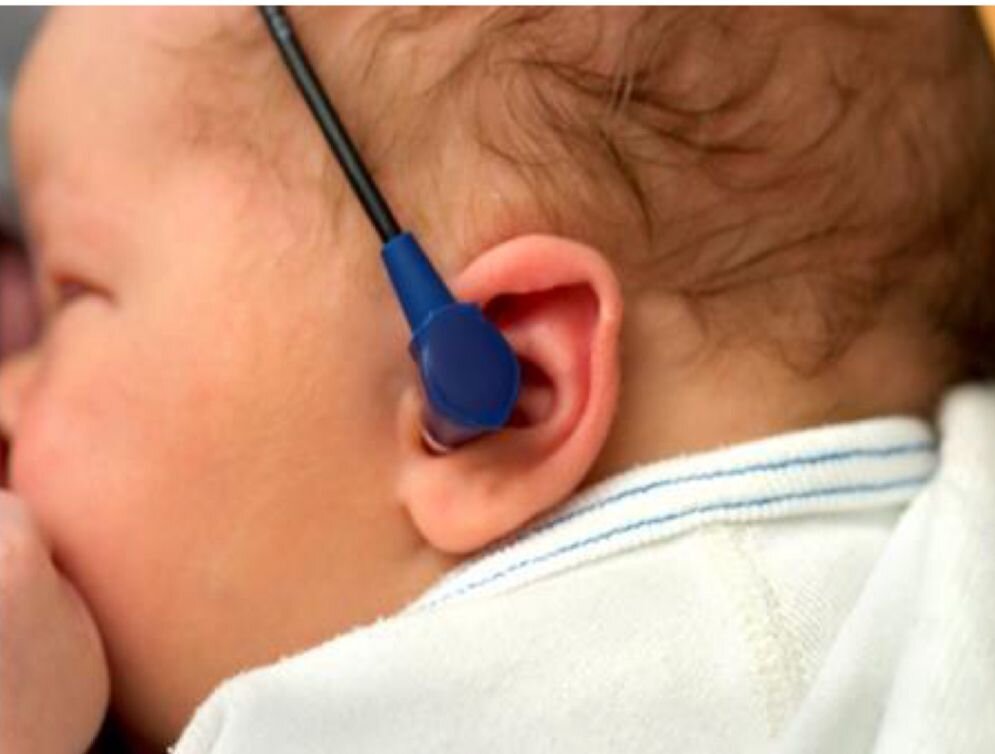
In contrast to their vision, a baby's hearing is remarkably well-developed from birth. They've been listening to sounds for months in the womb, so the world outside isn't entirely new territory. They can recognize familiar voices, especially their mother's, and will often turn their head toward a sound they know.
Loud, sudden noises can easily startle a newborn, while soft, rhythmic sounds can be incredibly soothing. This is why gentle shushing or the low hum of a fan can often calm a fussy baby; these sounds mimic the constant, gentle noises they heard before birth.
The Scent of Comfort
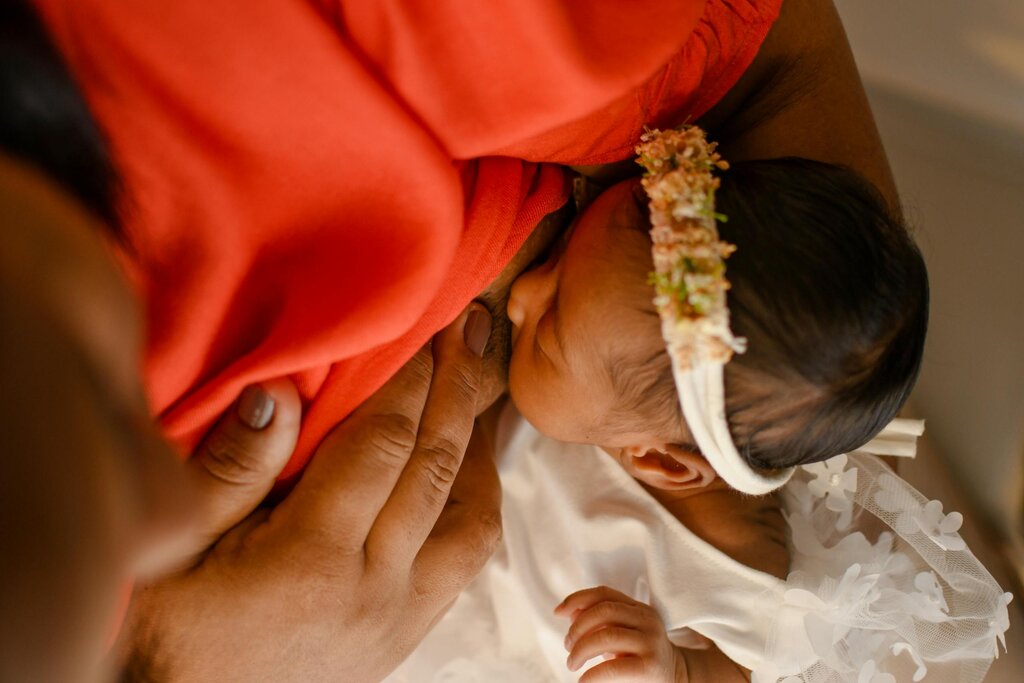
A newborn’s sense of smell is powerful and plays a huge role in their early life. Within days, they can distinguish their mother’s unique scent from that of other people. This is a key survival instinct, as it helps guide them to their source of food and comfort.
They are particularly drawn to the smell of their mother's breast milk, which can help initiate feeding. Taste is also functional, with babies showing a clear preference for sweet flavors over bitter or sour ones. This innate preference helps them enjoy breast milk or formula, which is naturally sweet.
The Power of Touch
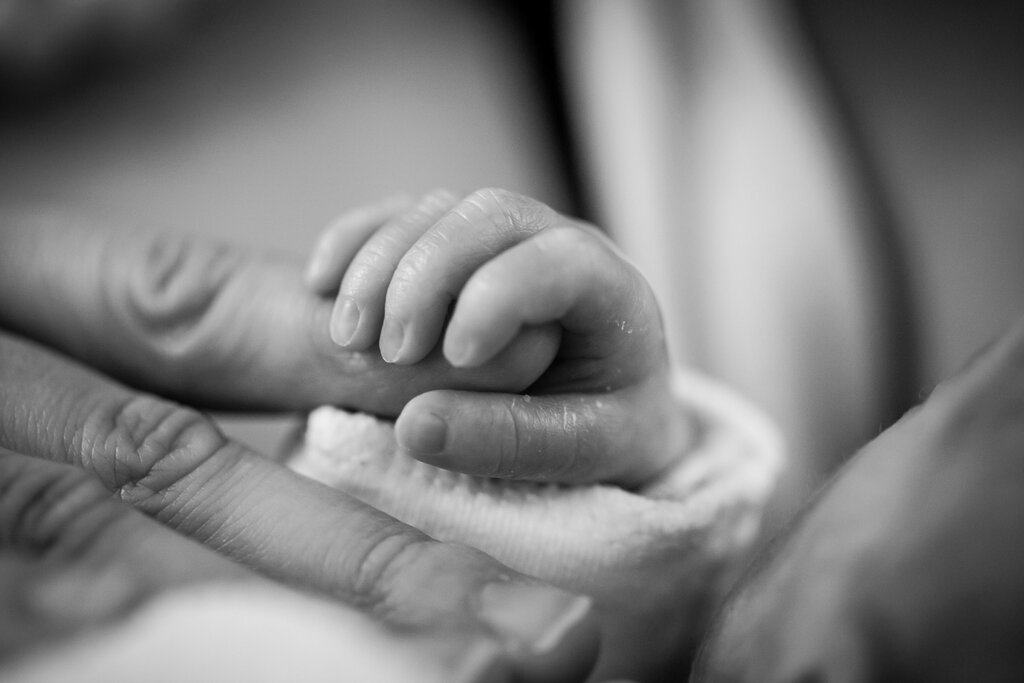
Touch is a newborn's first language and one of the most important ways they learn about the world. Their skin is incredibly sensitive, and they use touch to feel secure, loved, and connected. Skin-to-skin contact is not just comforting; it helps regulate a baby's heart rate, breathing, and temperature.
Through touch, they learn about different textures and temperatures. The feeling of a soft blanket, a gentle bath, or a reassuring hug provides critical sensory input that helps their brain develop. It's how they first experience security and begin to form bonds with their caregivers.
Time to review what you've learned about a newborn's developing senses.
Now, let's see how well you can apply this information.
Which of a newborn's senses is the least developed at birth?
At what distance is a newborn's vision sharpest?
A newborn's senses work together to help them understand their new environment. By providing gentle and responsive care, caregivers help build the foundation for all future learning and development.