New Zealand Adventure for the Discerning Traveler
Introduction to New Zealand
The Land of the Long White Cloud
New Zealand, known in the Māori language as Aotearoa, is a country of stunning and diverse natural beauty. It's located in the southwestern Pacific Ocean and consists of two main islands, the North Island and the South Island, separated by the Cook Strait. There are also numerous smaller islands, like Stewart Island off the southern tip of the South Island.
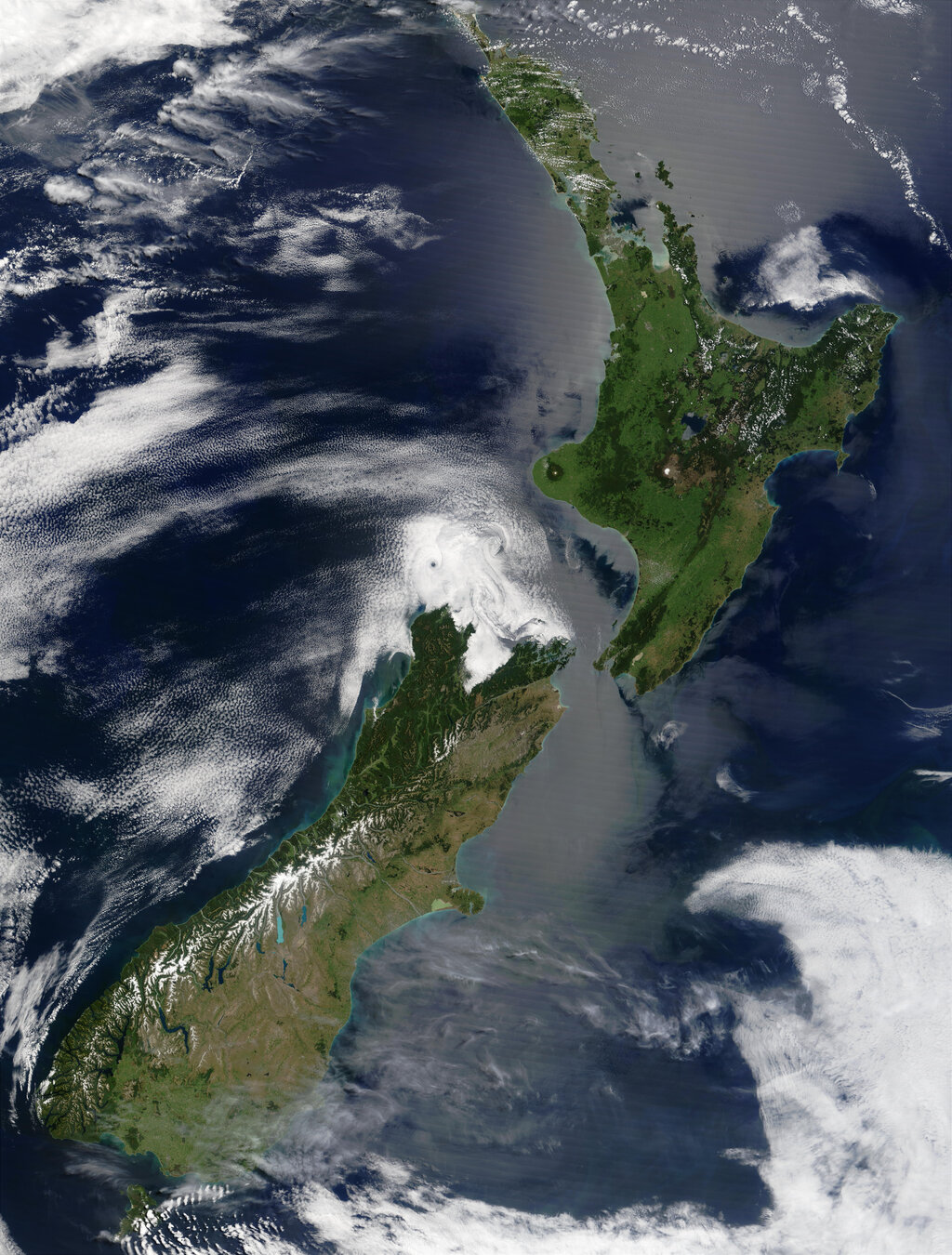
Thinking about the country as two distinct parts is the easiest way to start planning. Each island offers a completely different experience. The North Island is known for its volcanic activity, beautiful beaches, and large cities. The South Island is home to the majestic Southern Alps, vast glaciers, and deep fjords. The total land area is similar to that of the United Kingdom or the state of Colorado, so while it looks small on a world map, there's a lot of ground to cover.
The Land of the Long White Cloud
Two Islands, Many Worlds
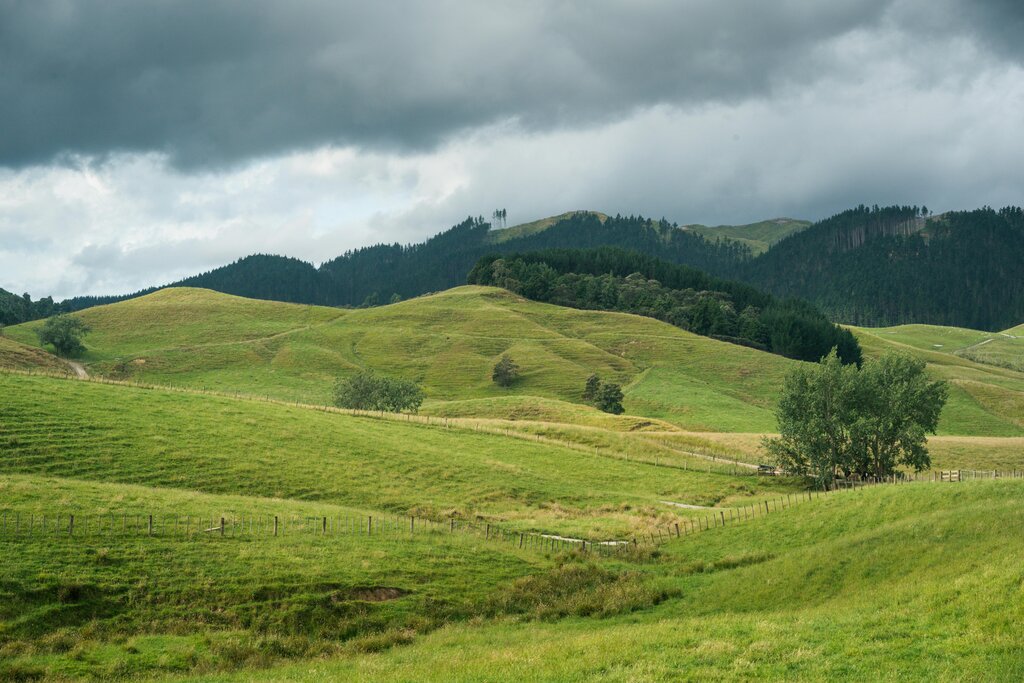
The North Island is more populated and has a gentler landscape in many areas. Here you'll find rolling green hills, geothermal wonders like geysers and hot springs, and the country's largest city, Auckland. The northernmost part of the island has a subtropical climate, feeling almost tropical in the summer.
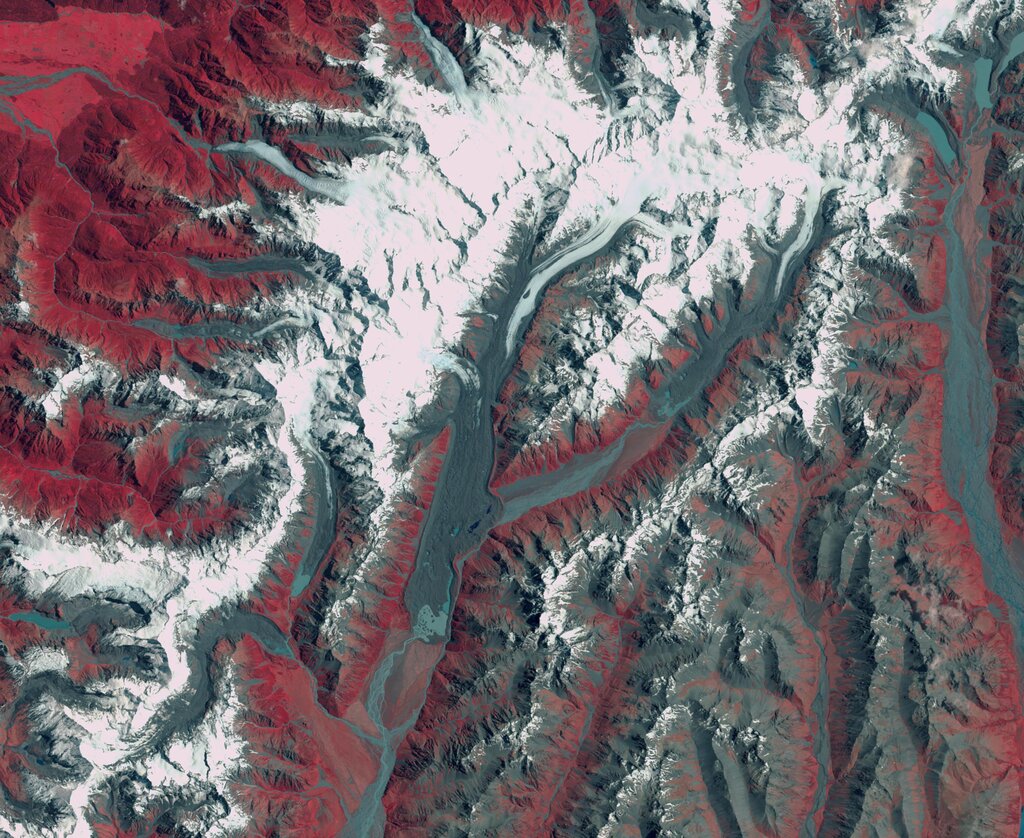
The South Island is an adventurer's paradise, defined by its dramatic and rugged scenery. The Southern Alps mountain range runs down its spine, creating a rain shadow that makes the eastern plains drier. This is the island of epic landscapes: towering peaks, vast glaciers like Franz Josef and Fox, and the stunning fjords of Fiordland National Park. It's less populated than the North Island, offering a sense of wild, open space.
A Climate for All Seasons
New Zealand's climate is generally temperate with four distinct seasons. Because it's in the Southern Hemisphere, the seasons are the reverse of those in North America and Europe. Summer is from December to February, and winter is from June to August.
The weather can change quickly, so it's always wise to pack layers. The north is typically warmer than the south. The best time to visit depends entirely on what you want to do.
| Season | Months | Climate & Activities |
|---|---|---|
| Summer | Dec - Feb | Warmest months. Ideal for beaches, hiking, and water activities. Peak tourist season. |
| Autumn | Mar - May | Mild weather, beautiful foliage in the south. Fewer crowds. Great for hiking and wine tasting. |
| Winter | Jun - Aug | Cold, with snow in the south. Perfect for skiing and seeing snow-capped mountains. The north is milder. |
| Spring | Sep - Nov | Warming up, with wildflowers and newborn lambs. Weather can be unsettled. Good for avoiding crowds. |
A Melting Pot of Cultures
New Zealand has a unique cultural identity, shaped by its Māori heritage and a history of European settlement. The Māori are the indigenous people of New Zealand, and their language, art, and traditions are central to the nation's character. You'll see Māori culture expressed in place names, traditional greetings, and art forms like carving and tattooing.
The traditional Māori greeting is "Kia ora" (key-ah oh-rah), which you'll hear often. It's a warm and welcoming way to say hello.
New Zealanders of European descent, known as Pākehā, make up the majority of the population. The culture also has significant influences from Polynesian and Asian communities, making cities like Auckland incredibly diverse.
English is the primary language spoken, but te reo Māori is an official language and its use has been revitalized in recent years. You don't need to know any Māori to travel, but learning a few words is always appreciated.
Understanding this background will enrich your travels, helping you appreciate the stories behind the landscapes and the people you meet.