New Year Safety Essentials
Fireworks Safety
Start the Year with a Bang, Not a Burn
The crackle and flash of fireworks are a classic part of ringing in the New Year. It’s a tradition that lights up the night sky and brings communities together. But the difference between a dazzling display and a dangerous disaster comes down to one thing: safety.
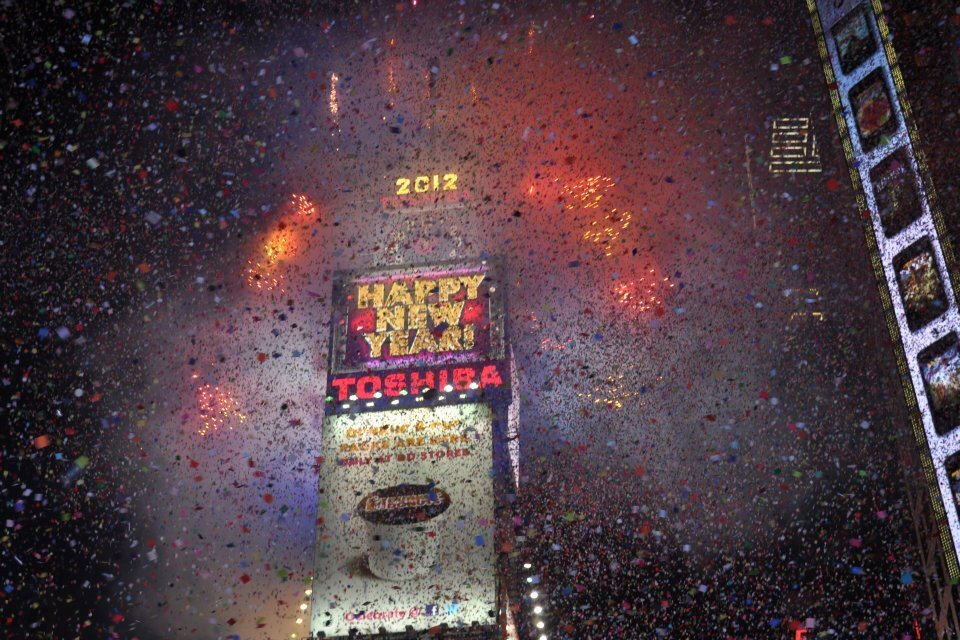
Before you even think about lighting a fuse, the most important step is to make sure you’re using legal, consumer-grade fireworks. Look for labels that show the manufacturer’s name and clear instructions. Illegal explosives are unpredictable and are a leading cause of serious injuries. They’re often overloaded with explosive material and can behave erratically.
If a deal on fireworks seems too good to be true, or they’re being sold from the back of a van, steer clear. Stick to licensed and reputable sellers.
Understand the Risks
Fireworks are, by nature, explosives. Even small ones can cause significant harm. Every year, thousands of people are treated in emergency rooms for firework-related injuries, with hands, fingers, and eyes being the most common areas affected. Children and teenagers are particularly at risk.
Burns are the most frequent injury, but fireworks can also cause blindness, scars, and even death. The risk isn’t just from direct contact; stray sparks can easily ignite dry grass, leaves, or even buildings, leading to destructive fires.
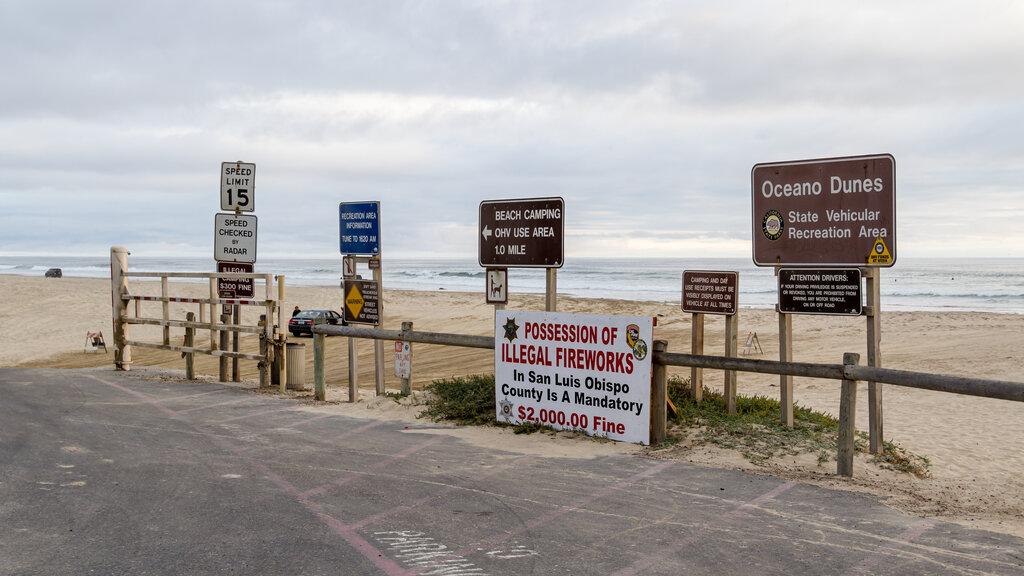
Your Safety Checklist
Following a few simple rules can ensure your celebration stays fun and festive. The most important rule? Never let young children handle fireworks. Sparklers, which many people think are safe for kids, burn at temperatures of about 2,000°F. That's hot enough to melt some metals.
Designate one sober adult to be in charge of all fireworks. This person should be responsible for setting up, lighting, and disposing of them properly.
Children should always watch from a safe distance, at least 30 feet away for ground-based items and much further for aerial ones.
When you’re ready to start the show:
- Set up in a clear area. Choose a flat, open space away from houses, vehicles, and anything flammable.
- Keep water handy. Have a bucket of water, a garden hose, or a fire extinguisher nearby at all times.
- Light one at a time. Never try to light multiple fireworks at once. Light the fuse and move back immediately.
- Don’t be a hero. Never try to re-light or handle a “dud” firework that fails to go off. Wait 20 minutes and then soak it in water.
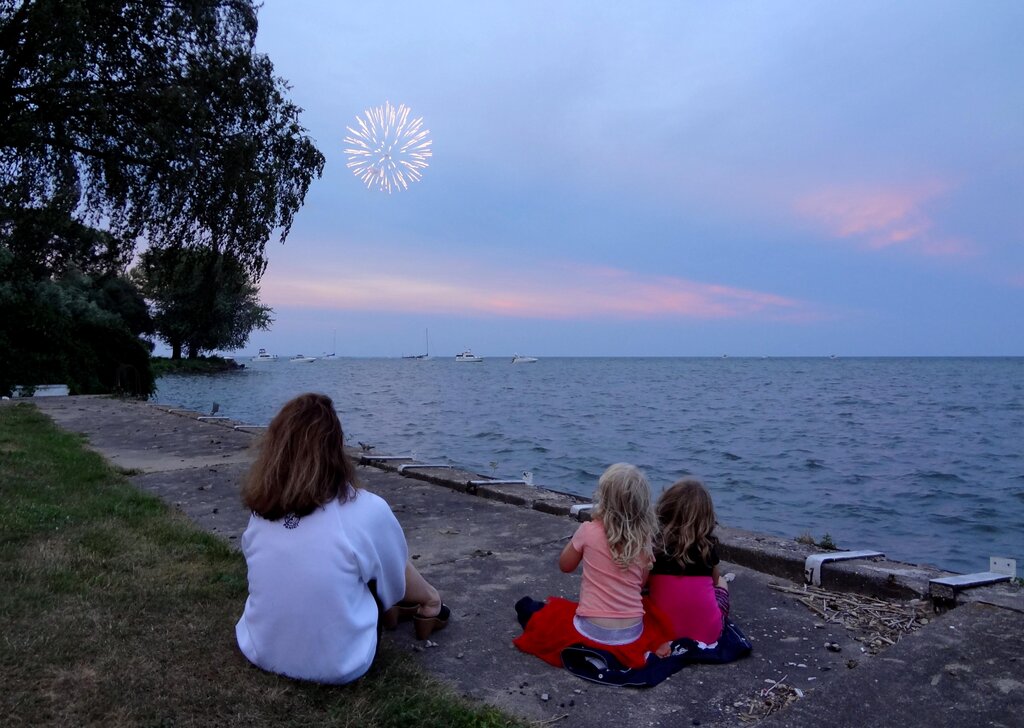
Once the display is over, the cleanup is just as important. Spent fireworks can still be hot and pose a fire risk.
Collect all used fireworks and douse them with water. Place them in a metal trash can away from any buildings or combustible materials until you're ready to dispose of them with your regular garbage. It's best to let them soak overnight to be absolutely sure they are cool and inert.
Time to check what you've learned.
What is the most important characteristic to look for when purchasing fireworks?
Sparklers are generally considered a safe option for young children to handle because they don't explode.
Fireworks can be a memorable part of any New Year's Eve. By being smart and prepared, you can make sure those memories are happy ones.