New Parent Essentials
Newborn Care
The First Few Weeks
Bringing a newborn home is a world-changing experience. For the first few months, your baby is adjusting to life outside the womb. This period is often called the "fourth trimester."
Newborns aren't just tiny versions of older children. They communicate and experience the world in unique ways. You'll notice they have reflexes you might not expect. The Moro reflex, or startle reflex, causes them to throw their arms out when they're surprised. The rooting reflex helps them find a nipple to feed.
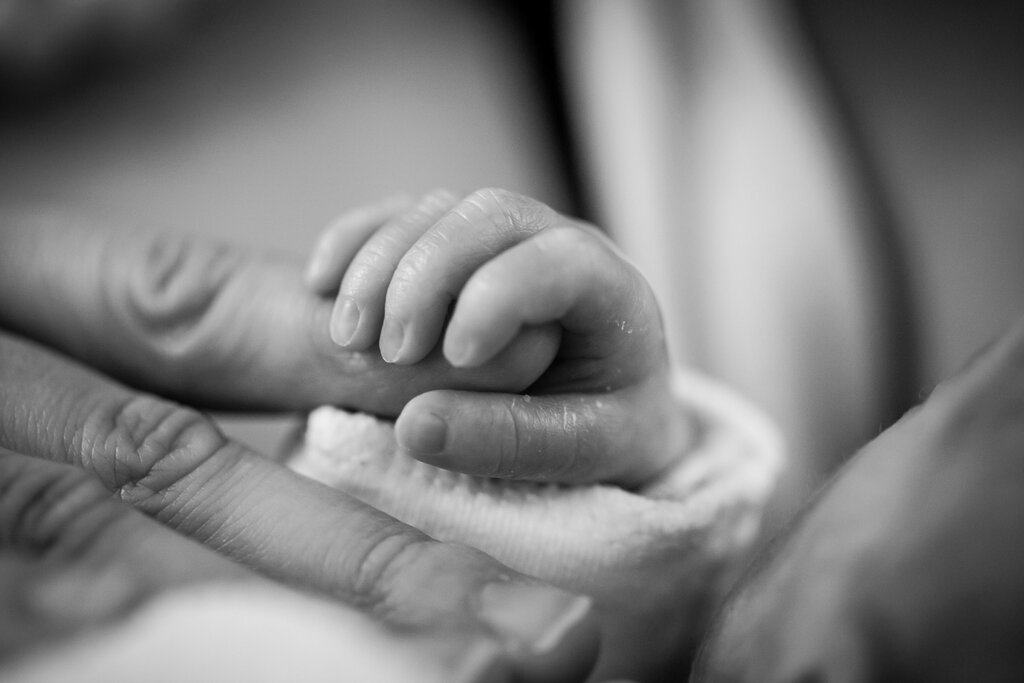
Your baby's primary way of communicating is crying. It can be stressful, but it's their signal for a need. With time, you'll start to recognize different cries. Most of the time, they cry for a simple reason: they're hungry, need a diaper change, are overly tired, or just want to be held close.
Feeding Your Newborn
Feeding is about more than just nutrition. It's a time for bonding and connection. Whether you breastfeed, bottle-feed, or do a combination of both, the key is responding to your baby's hunger cues.
Babies give signals long before they start wailing. Look for them turning their head and opening their mouth (rooting), sucking on their hands, or becoming more active and fussy.
Crying is a late sign of hunger. Try to start feeding when you see the earlier, more subtle cues.
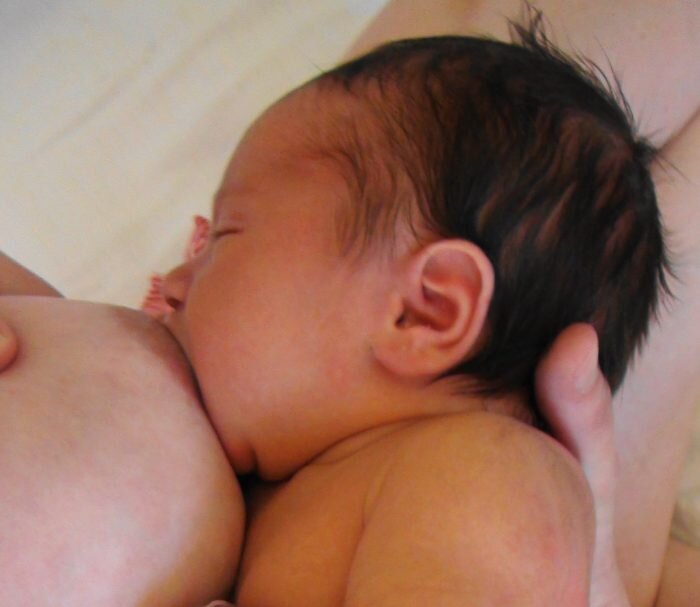
Newborns eat frequently, often every two to three hours. If breastfeeding, ensure the baby has a deep latch, covering much of the areola, not just the nipple. If bottle-feeding, hold your baby at an angle and use a slow-flow nipple to let them pace the feeding. Burp your baby during and after feedings to release trapped air. Spit-up is common and usually not a cause for concern.
Sleep and Safety
Newborns sleep a lot—up to 18 hours a day—but in short, unpredictable stretches. Their sleep cycles are short, and they wake often to eat. This is normal and necessary for their growth.
Swaddle
verb
The practice of wrapping a baby snugly in a blanket for warmth and security. It can help calm a newborn by mimicking the feeling of being in the womb.
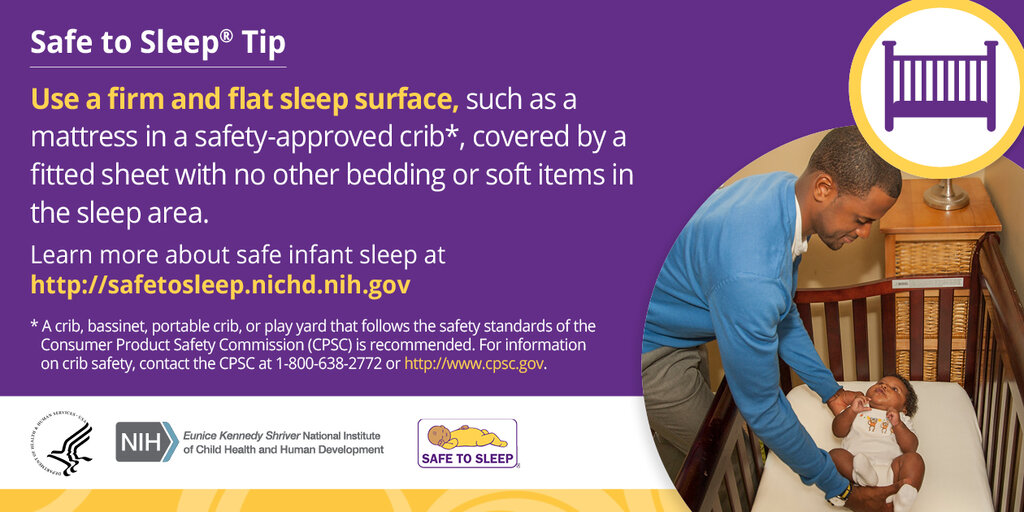
Creating a safe sleep environment is one of the most important things you can do. The American Academy of Pediatrics recommends following the ABCs of safe sleep:
- Alone: Your baby should sleep alone in their own sleep space.
- Back: Always place your baby on their back to sleep, for every sleep.
- Crib: Use a firm, flat surface like a crib, bassinet, or play yard with a fitted sheet. The sleep space should be empty, with no blankets, pillows, bumpers, or soft toys.
Beyond the crib, ensure your home is safe. Always use a rear-facing car seat, even for the first ride home from the hospital. Never leave a baby unattended on a high surface like a changing table or bed.
Hygiene and Health
Keeping your baby clean is straightforward. Until the umbilical cord stump falls off (usually in one to two weeks), stick to sponge baths. Afterward, you can give them baths in a small baby tub two or three times a week. Use mild, baby-safe soap and warm, not hot, water.
For the umbilical cord stump, keep it clean and dry. Fold the top of the diaper down to expose it to air. It will dry up and fall off on its own.
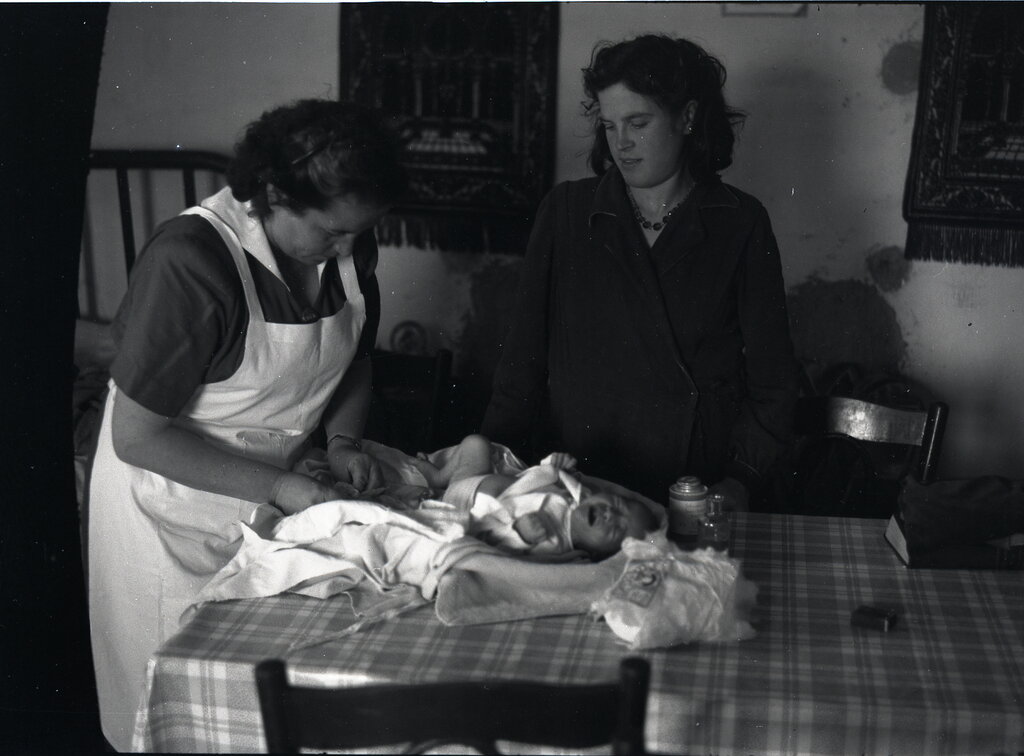
Newborns go through about 10 diapers a day. Change them frequently to prevent diaper rash. Clean the area with wipes or a warm, wet cloth, wiping from front to back, especially for girls.
It’s also important to know when to seek medical advice. Call your pediatrician if your baby has a fever (100.4°F or 38°C or higher), shows signs of dehydration (fewer wet diapers), has trouble breathing, or has a yellowish tint to their skin and eyes (jaundice) that seems to be worsening.
Trust your instincts. If something feels wrong, it's always best to call your doctor.
Now that you've learned the essentials of newborn care, test your knowledge.
The period of the first few months after birth, when a baby is adjusting to life outside the womb, is often called the:
According to the ABCs of safe sleep, what should be in the crib with a newborn?