New England Classic Furniture Styles
Introduction to New England Furniture Styles
A Tour of New England Furniture
From the first colonial settlements, New England was a hub of craftsmanship. Its furniture tells a story not just of changing tastes, but of a new nation finding its identity. Over two centuries, styles evolved from reflecting European trends to forging a distinctly American path. This journey covers six key periods, each with its own character and philosophy.
The First American Styles
Early colonial furniture was heavily influenced by the styles popular in England. The first major style to take hold in New England was the William and Mary style, prevalent from about 1690 to 1730. It was a departure from the heavier, boxier furniture of the 17th century, featuring lighter construction with tall, dramatic proportions. Signature elements included turned legs, often shaped like trumpets or spirals, and decorative stretchers connecting the legs.
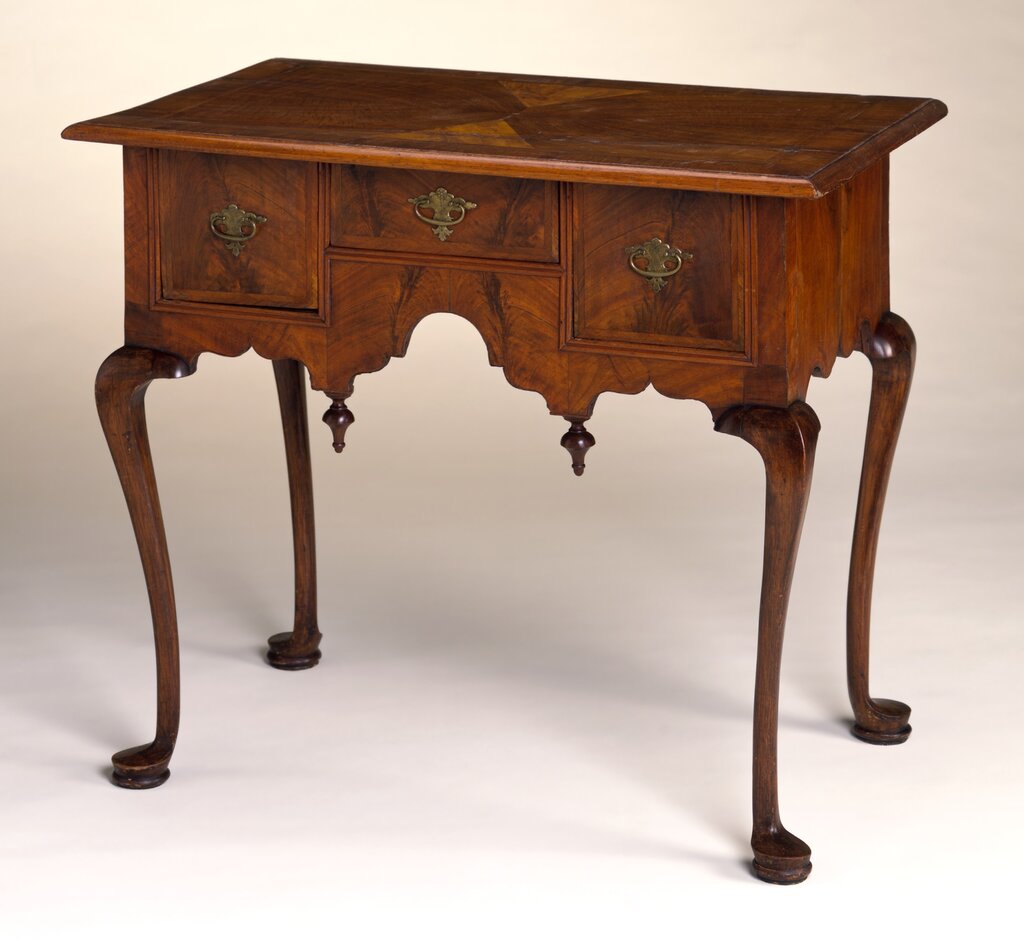
Following this was the Queen Anne style, which dominated from the 1720s to the 1760s. This style prized elegance and grace over ornamentation. The most recognizable feature is the cabriole leg, a continuous S-shaped curve that flows smoothly into the foot, often a simple, rounded "pad foot." The focus was on beautiful woods like walnut and mahogany, with minimal carving.
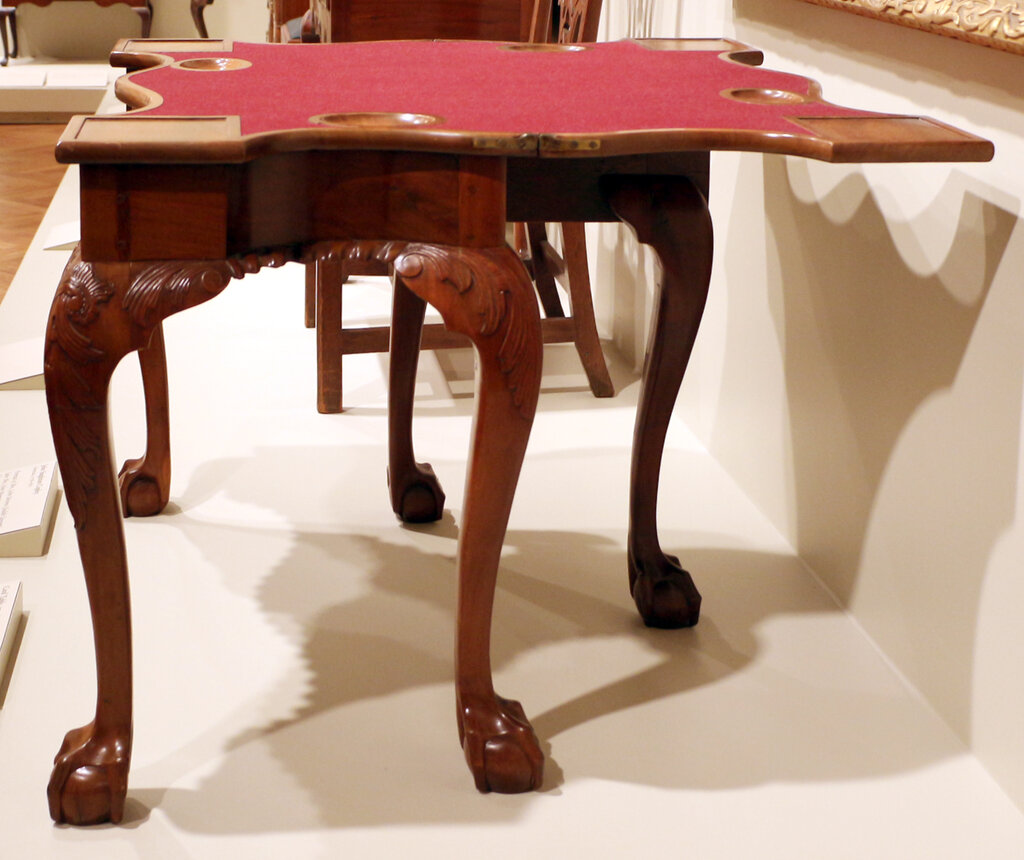
By the mid-18th century, tastes shifted toward the more elaborate Chippendale style, popular from around 1755 to 1790. Named after London cabinetmaker Thomas Chippendale, this style took the graceful curves of Queen Anne and added intricate, detailed carvings. The cabriole leg remained, but often terminated in a dramatic ball-and-claw foot. The overall feel was heavier and more substantial, reflecting the growing prosperity of the colonies.
A New Nation's Identity
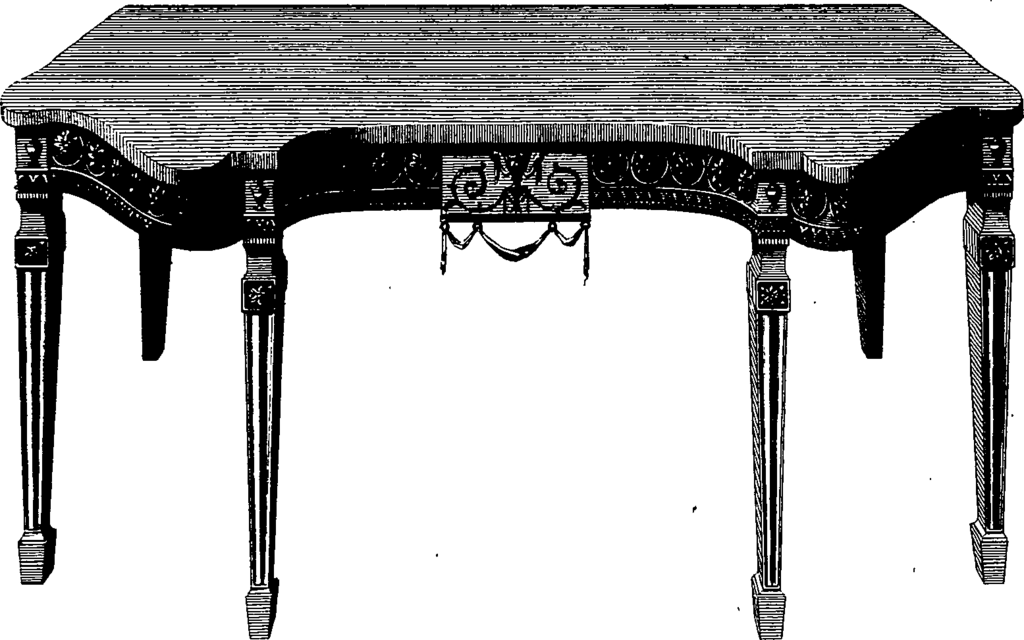
After the American Revolution, furniture design broke from English traditions and embraced Neoclassicism. This became the Federal style, flourishing from roughly 1780 to 1820. Inspired by the art of ancient Greece and Rome, this style emphasized straight lines, geometric shapes, and delicate proportions. Tapered, slender legs replaced the curved cabriole leg. Decoration often came from contrasting wood veneers and inlays rather than heavy carving.
While the Federal style dominated mainstream design, the Shakers developed a completely different aesthetic. From the late 18th century through the 19th century, Shaker communities created furniture based on their principles of simplicity, utility, and honesty. Every element had a purpose. There was no ornamentation, inlay, or carving. Instead, the beauty of Shaker furniture comes from its clean lines, masterful craftsmanship, and innovative, functional designs, like the classic ladder-back chair.
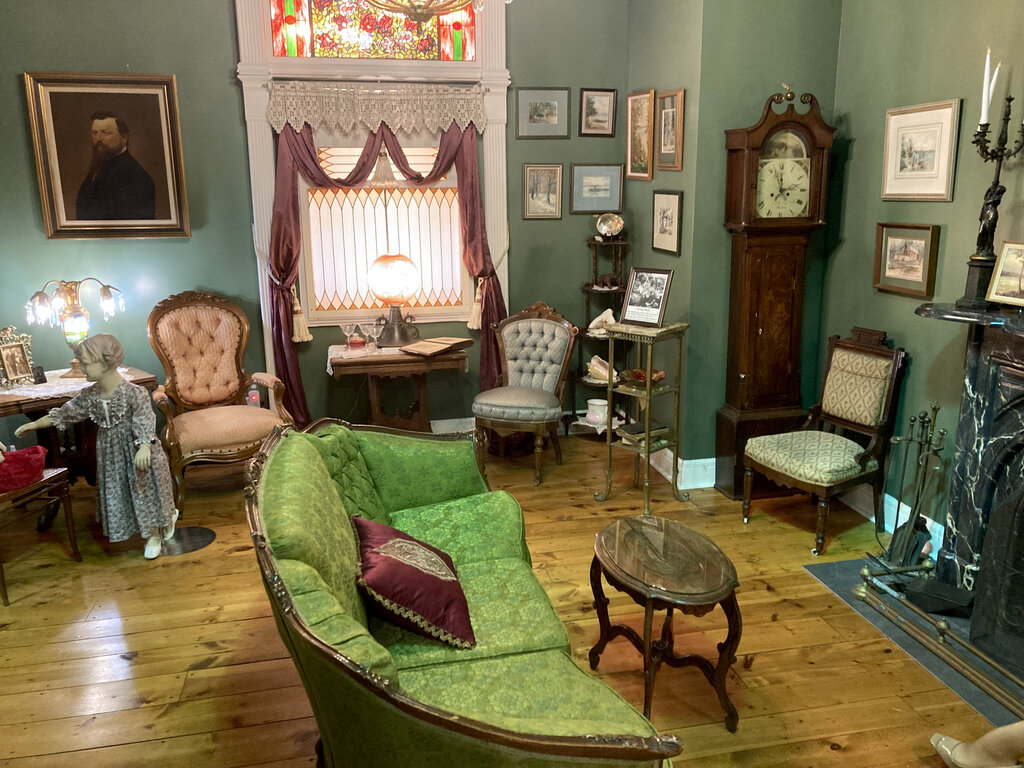
The final major period of this era was the Victorian style, which spanned much of Queen Victoria's reign from 1837 to 1901. It wasn't a single style but a collection of many, often reviving historical aesthetics like Gothic and Rococo. Victorian furniture is known for its ornate, heavy, and often massive construction. Dark woods, elaborate carvings, and plush upholstery were common. This style reflected the industrial age's ability to mass-produce complex designs.
Each of these styles offers a window into the lives and values of the people who made and used them. As we explore each one in detail, you'll see how history, culture, and technology shaped the very chairs people sat in and the tables where they gathered.
Ready to test your knowledge? Let's see what you've learned about these foundational furniture styles.
Which feature is a hallmark of the William and Mary furniture style (c. 1690-1730)?
The Queen Anne style is known for its elegant cabriole leg. How did the subsequent Chippendale style often evolve this feature?