Neurotransmitters for a Happier Life
Introduction to Neurotransmitters
The Brain's Messengers
Your nervous system is like a massive, intricate postal service. To send messages between its billions of cells, called neurons, it uses chemical couriers. These couriers are known as neurotransmitters.
When one neuron needs to talk to another, it releases these neurotransmitter molecules into a tiny gap between them called a synapse. The neighboring neuron then catches these molecules with its receptors, much like a key fitting into a lock. This unlocks a new electrical signal in the receiving neuron, passing the message along.
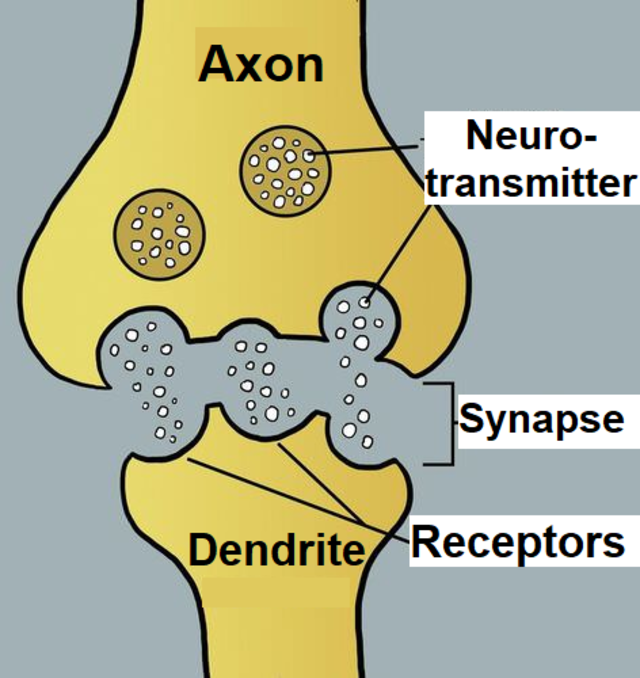
This lightning-fast process happens constantly, governing everything from your heartbeat to your thoughts and feelings. While there are over 100 known neurotransmitters, a few key players have a major impact on your daily mood and well-being.
Meet the Feel-Good Chemicals
Let's get to know four of the most famous neurotransmitters that shape your emotional world. They're often called the "feel-good" or "happy" chemicals, but their jobs are more nuanced than that.
Dopamine
noun
A neurotransmitter that plays a major role in reward-motivated behavior. Often associated with motivation, pleasure, and focus.
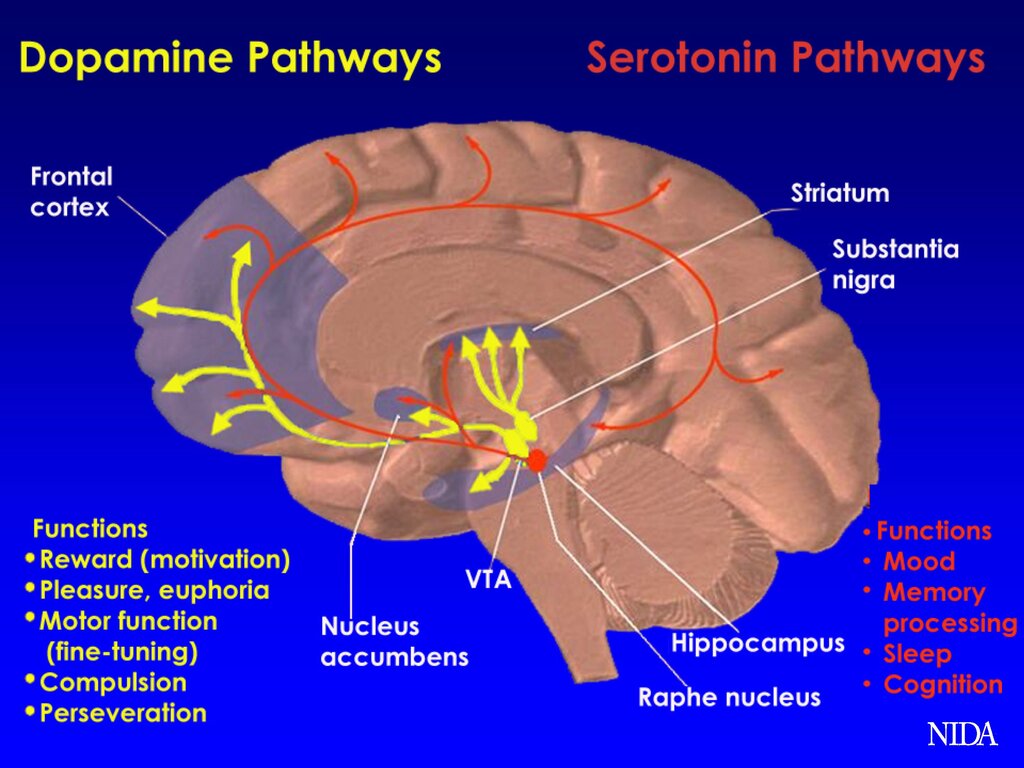
Dopamine is your brain's motivation molecule. It’s released when you anticipate a reward, which pushes you to take action. Think about the satisfaction of crossing an item off your to-do list, or the craving for your favorite food. That's dopamine at work, driving you toward things that feel good.
Dopamine is less about the pleasure of the reward itself and more about the motivation to go get it.
Serotonin
noun
A neurotransmitter that helps regulate mood, anxiety, sleep, and appetite. It's often linked to feelings of well-being and happiness.
If dopamine is the accelerator, serotonin is the cruise control. It helps regulate your mood, preventing big swings into anxiety or depression. It contributes to a general sense of contentment and calm. Serotonin also plays a crucial role in managing your sleep-wake cycle and digestion.
Endorphins
noun
A group of peptides that act as the body's natural painkillers. They are produced in response to stress or discomfort.
Endorphins are your body's personal pain-relief squad. The name itself is a combination of "endogenous," meaning from the body, and "morphine." When you experience pain or stress, your brain releases endorphins to numb the discomfort and produce a sense of well-being. This is the mechanism behind the famous "runner's high."
Oxytocin
noun
A hormone and neurotransmitter involved in social bonding, trust, and intimacy. It's sometimes called the "love hormone" or "cuddle chemical."
Oxytocin is all about connection. It's a key ingredient in building trust and strengthening social bonds. It's released during positive social interactions, like hugging a friend, petting a dog, or spending quality time with family. This chemical helps foster feelings of warmth, empathy, and belonging.
Your Brain's Balancing Act
These four neurotransmitters don't work in isolation. They are part of a complex chemical symphony that constantly adjusts to your experiences and environment. The balance between them is crucial for your mental health.
When these systems are in harmony, you feel motivated, content, and connected. When they're out of balance, you might feel stressed, anxious, or unmotivated. Understanding their roles is the first step toward recognizing how your brain's chemistry shapes your daily life.
Time to see what you've learned about these chemical messengers.
What is the primary role of neurotransmitters in the nervous system?
Which of the following scenarios is most directly driven by the release of dopamine?
By understanding these basic building blocks of your mood, you're better equipped to explore the connections between your mind and body.