Neuroscience of the Brain-Body Connection with Wendy Suzuki
Brain-Body Connection
A Two-Way Street
Your brain and body are in constant conversation. It's easy to think of the brain as a command center, issuing orders to the rest of your body. But this communication is a two-way street. Your body is constantly sending information back to your brain, influencing your thoughts, emotions, and overall well-being.
This intricate network of communication is known as the brain-body connection. Think of it like an information superhighway, with messages flying back and forth at incredible speeds. Understanding this connection is the first step to seeing how your mental state can affect your physical health, and vice-versa.
The Nervous System Network
The nervous system is the physical infrastructure of this highway. It's split into two main parts: the Central Nervous System (CNS) and the Peripheral Nervous System (PNS).
The Central Nervous System is the control center. It consists of your brain and spinal cord. It receives information, processes it, and decides what to do.
The Peripheral Nervous System is the network of nerves that branches out from the spinal cord to every part of your body. It acts as the messenger, relaying signals between the CNS and your limbs and organs.
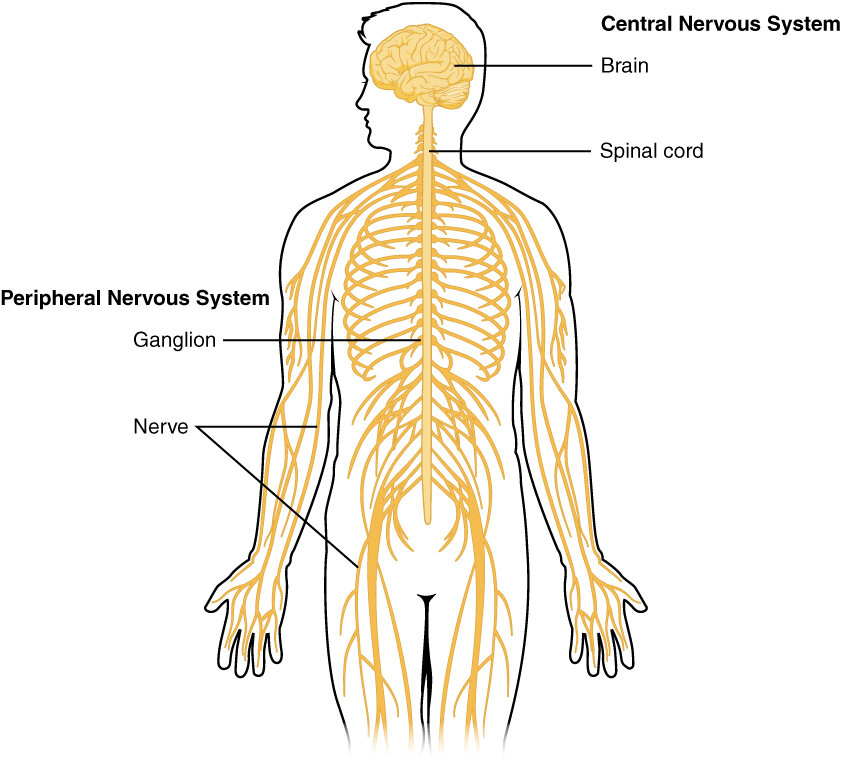
The PNS sends information to the brain from your senses, like the feeling of the sun on your skin or the sound of music. In return, the CNS sends instructions back out through the PNS, telling your muscles to move or your heart to beat faster. This happens constantly, without you even having to think about it.
Chemical Messengers
How do these signals travel? They rely on chemical messengers. The two main types are neurotransmitters and hormones.
Neurotransmitter
noun
A chemical substance that is released at the end of a nerve fiber by the arrival of a nerve impulse and, by diffusing across the synapse or junction, causes the transfer of the impulse to another nerve fiber, a muscle fiber, or some other structure.
Neurotransmitters carry signals directly between nerve cells, or neurons. They work quickly, like an instant message. Chemicals like serotonin and dopamine are famous examples, playing huge roles in your mood, motivation, and feelings of pleasure. When levels of these neurotransmitters change, so can your emotional state.
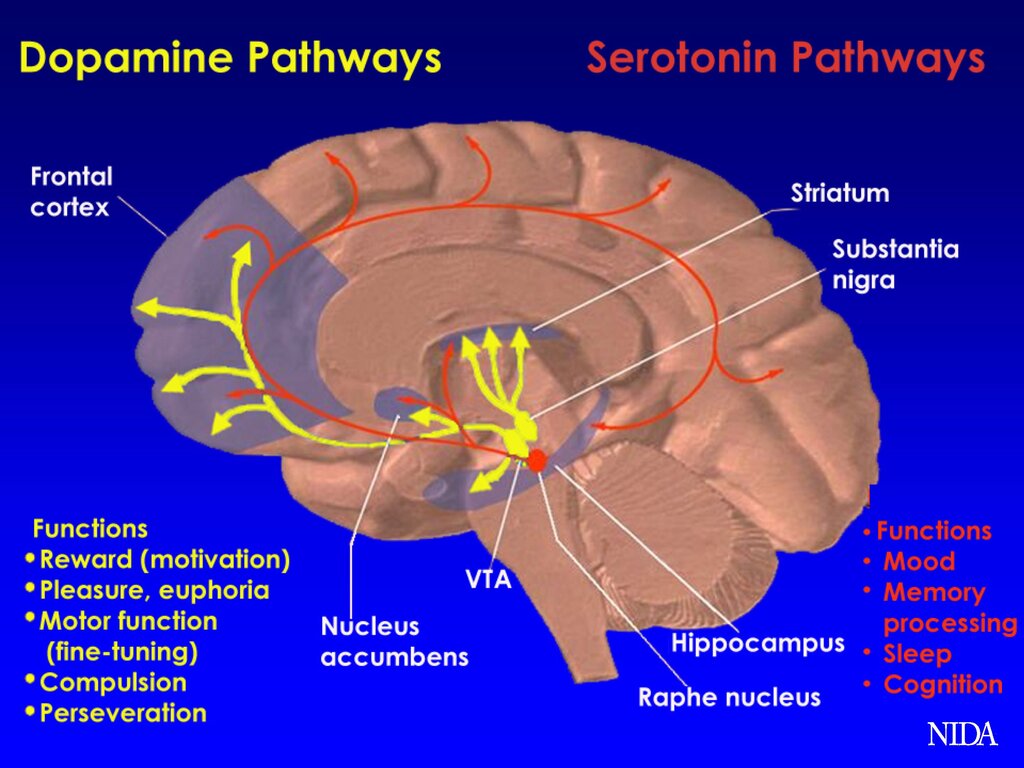
Hormones, on the other hand, are like a postal service. They are released into the bloodstream by glands and travel to different parts of the body to deliver their messages. This process is slower but has longer-lasting effects. Hormones regulate everything from your metabolism to your sleep cycle.
When Stress Enters the Picture
The stress response is a powerful example of the brain-body connection in action. When your brain perceives a threat—whether it's a looming deadline or a near-miss in traffic—it triggers a cascade of signals.
Body-Mind Psychotherapy is based on the principle that the body and mind are not separate entities but are deeply interconnected.
The CNS signals the adrenal glands, which sit on top of your kidneys, to release hormones like cortisol and adrenaline. These hormones prepare your body for "fight or flight." Your heart rate increases, your breathing quickens, and your muscles tense up. This is your body getting ready to handle the perceived danger.
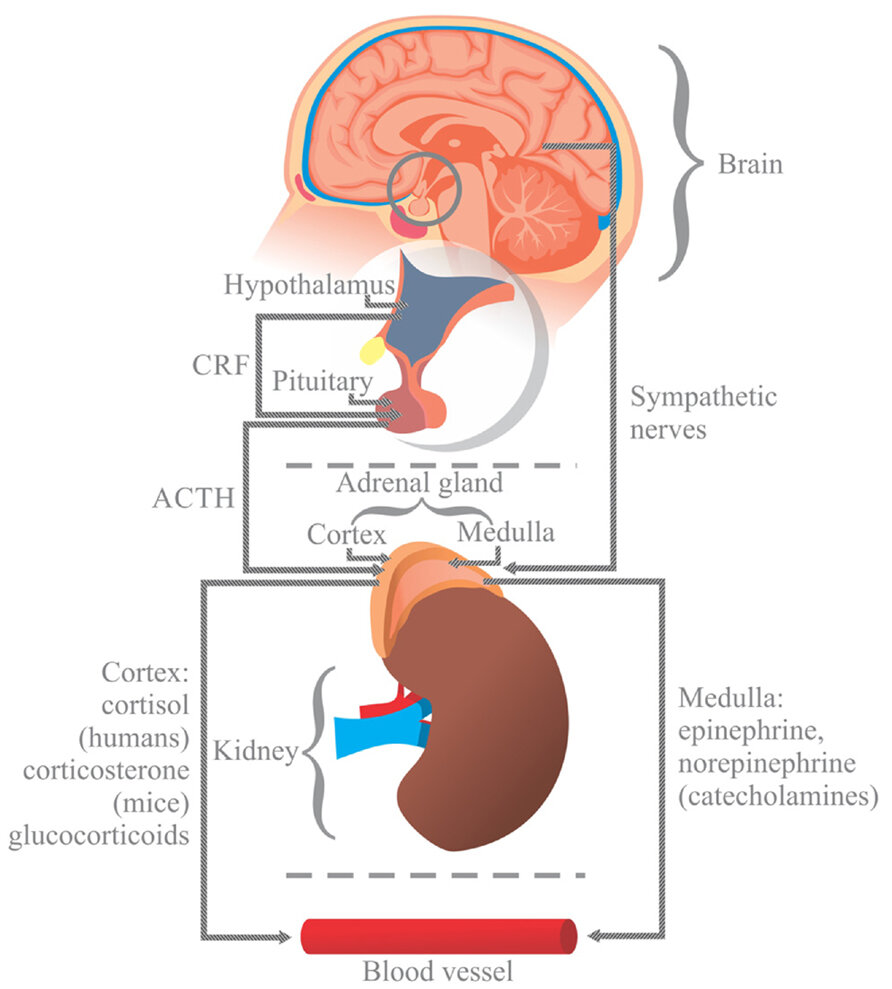
While this response is helpful in short bursts, chronic stress keeps this system activated. Over time, high levels of cortisol can wear the body down, impacting your immune system, digestion, and even your brain's ability to function. This shows how a mental state—stress—can have very real, physical consequences.
This constant communication loop means your thoughts and feelings directly influence your physical health. By understanding this fundamental link, you can begin to appreciate just how interconnected your mind and body truly are.