Neuropsychology Fundamentals Unveiled
Introduction to Neuropsychology
The Brain's Detective
Neuropsychology is the study of how the brain influences our behavior. It acts as a bridge, connecting what we know about the physical brain (neurology) with the study of our thoughts, feelings, and actions (psychology). Think of a neuropsychologist as a detective for the brain. When someone has trouble with memory, language, or concentration, a neuropsychologist investigates how changes in the brain might be the cause.
Neuropsychology
noun
A branch of psychology that is concerned with how the brain and the rest of the nervous system influence a person's cognition and behaviors.
This field isn't just about what goes wrong. It also explores how a healthy brain works, giving us a clearer picture of the complex relationship between our neural hardware and the software of our minds.
A Look Back in Time
The idea that the brain is the center of thought hasn't always been obvious. For centuries, the heart was believed to be the seat of intelligence and emotion. It wasn't until the 19th century that scientists began to systematically link specific brain areas to particular functions.
A major breakthrough came in the 1860s from a French physician named Paul Broca. He had a patient who could only say one word: "tan." After the patient's death, an autopsy revealed damage to a specific part of the left frontal lobe. This region, now called Broca's area, was identified as crucial for producing speech.
A few years later, Carl Wernicke identified another brain area involved in understanding language. A patient with damage to this spot could speak fluently, but their words were jumbled and made no sense. This became known as Wernicke's area.
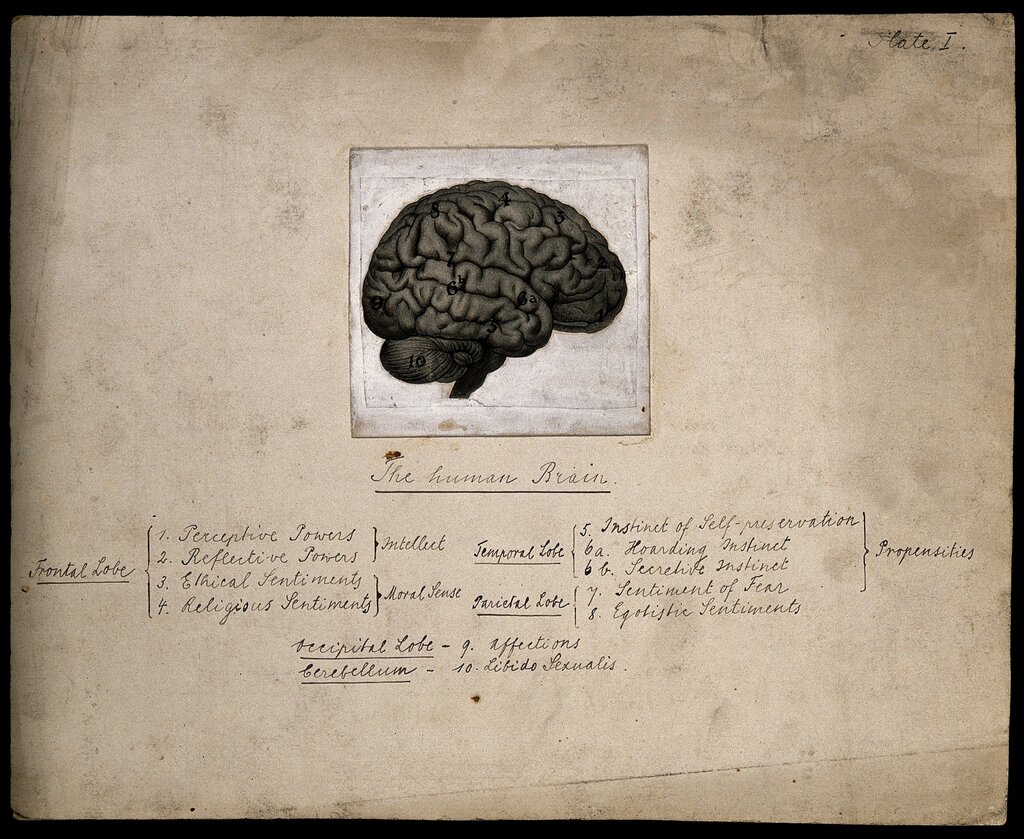
These discoveries were monumental. They championed the idea of localization of function, the principle that different parts of the brain have specialized jobs. While early ideas like phrenology were pseudoscience, the core concept of localization set the stage for modern neuropsychology.
The Goals of the Field
So what do neuropsychologists aim to achieve? Their work generally falls into three main categories.
- Assess and Diagnose: One of the primary goals is to evaluate cognitive and behavioral functioning. Through specialized tests, a neuropsychologist can identify strengths and weaknesses, which helps in diagnosing conditions like Alzheimer's disease, traumatic brain injury, or stroke.
This detailed assessment provides a baseline of a person's abilities. It helps doctors and families understand the extent of a problem and make informed decisions about care and treatment. For example, knowing the specific type of memory problem a person has can lead to better coping strategies.
- Guide Rehabilitation: After a brain injury or illness, neuropsychologists play a key role in recovery. By understanding a patient's specific challenges, they can help design targeted rehabilitation programs. If a person struggles with planning and organization after a stroke, a neuropsychologist can suggest strategies and therapies to help them regain those skills and adapt to daily life.
The goal is to improve quality of life and help individuals function as independently as possible. This might involve cognitive therapy, behavioral strategies, or working with family members to create a supportive environment.
- Advance Scientific Knowledge: Beyond clinical work, neuropsychology is a research field. Scientists study groups of people with and without brain disorders to learn more about how the brain works. This research deepens our understanding of everything from memory and emotion to consciousness itself. Every patient contributes to a growing body of knowledge that helps future generations.
What is the primary focus of neuropsychology?
The groundbreaking work of Paul Broca and Carl Wernicke in the 19th century provided strong evidence for which key principle in neuropsychology?
Neuropsychology provides a vital window into the brain, helping us understand the intricate connections between our biology and our behavior. By studying these relationships, we can better diagnose problems, aid recovery, and unravel the mysteries of the human mind.