Neuromorphic Computing Explained
Introduction to Neuromorphic Computing
What is Neuromorphic Computing?
Computers today are incredibly powerful, but they operate very differently from the human brain. Most digital computers follow a design called the von Neumann architecture, where the processor and memory are separate. Data constantly shuffles back and forth between them, which consumes a lot of time and energy. This is often called the von Neumann bottleneck.
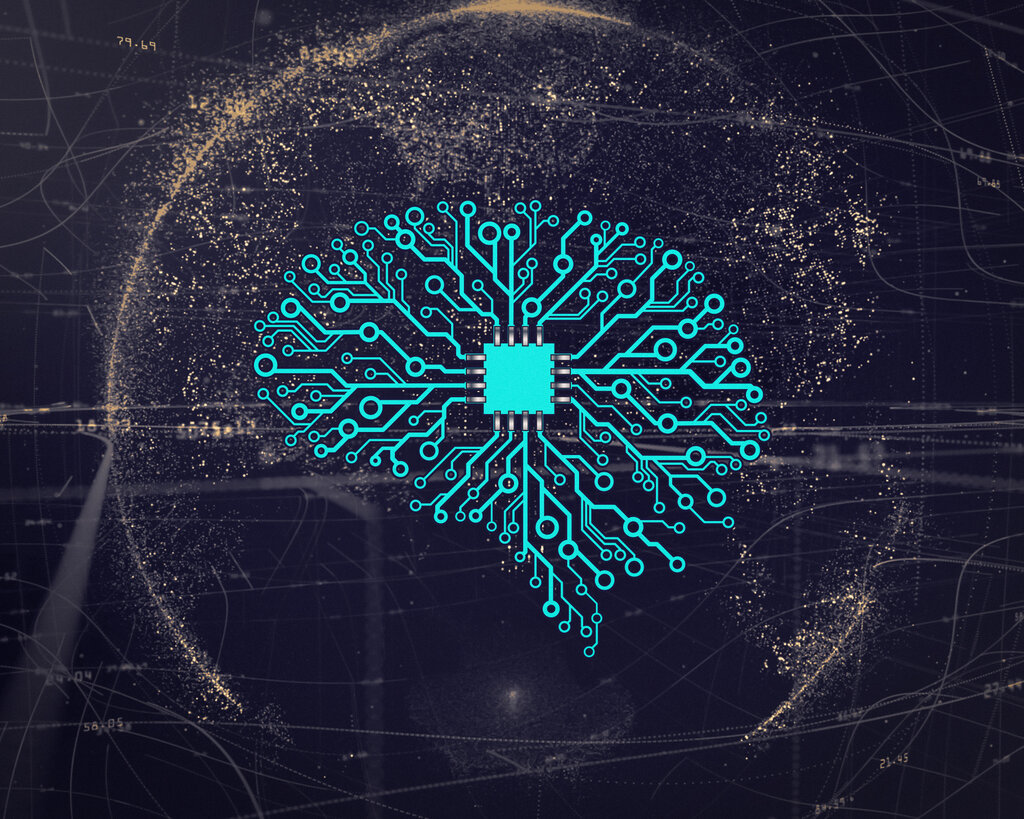
The brain, on the other hand, is a masterpiece of efficiency. It performs complex tasks like recognizing a face or holding a conversation using about as much power as a dim lightbulb. Memory and processing in the brain aren't separate; they're deeply intertwined. Neuromorphic computing is an approach to building computer systems that mimic this structure and function.
neuromorphic
adjective
A type of computing that emulates the structure and function of the biological brain, particularly its neural networks.
Instead of processing information sequentially with a central clock, neuromorphic systems are often event-driven, meaning they only spring into action when new information—like a spike from a connected neuron—arrives. This approach aims to create machines that are not just powerful, but also highly efficient, adaptable, and capable of learning in real time, much like we do.
A Brief History
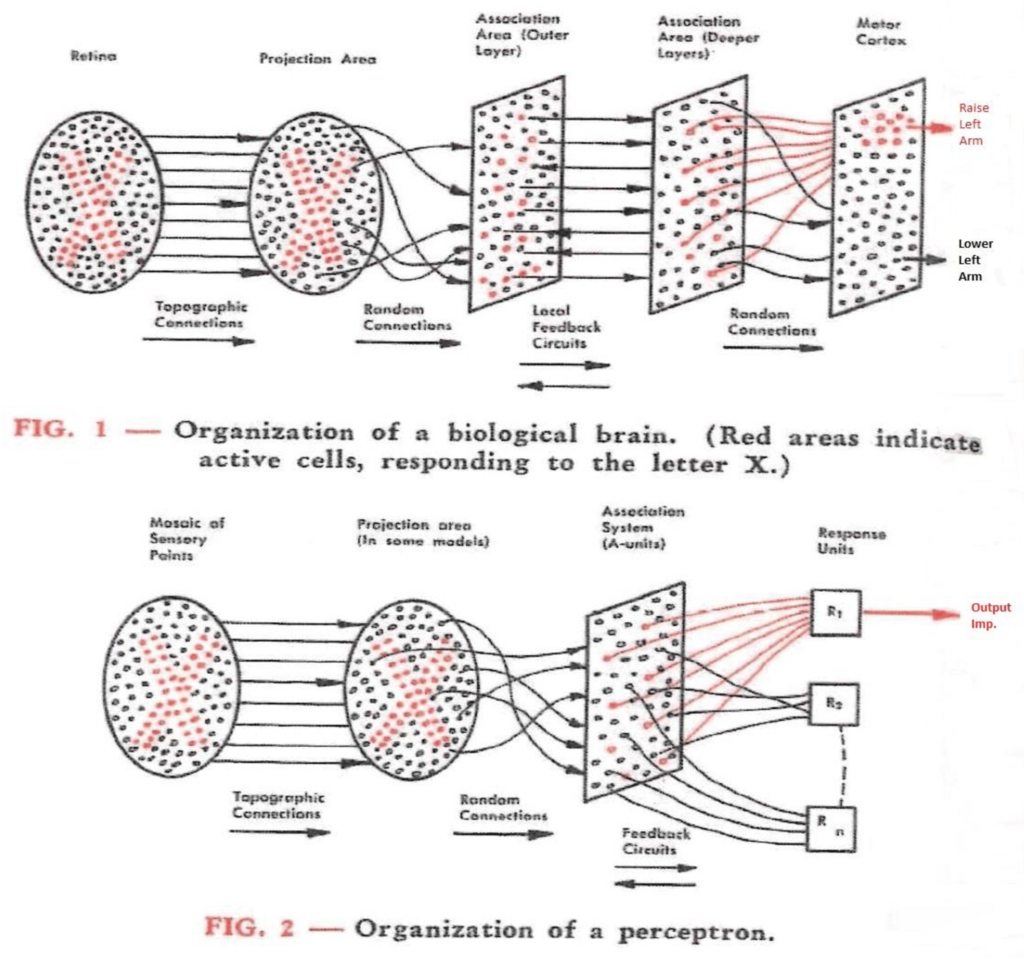
The idea of building machines inspired by the brain isn't new. In 1943, Warren McCulloch and Walter Pitts proposed the first mathematical model of a neuron. This laid the groundwork for artificial neural networks. A few years later, in the late 1950s, Frank Rosenblatt developed the Perceptron, one of the first practical examples of a machine built to learn by trial and error, directly inspired by biological learning.
The term "neuromorphic" itself was coined in the late 1980s by Carver Mead, a professor at Caltech. He pioneered the use of analog circuits to build electronic systems that mimicked the neural pathways for vision and hearing. His work marked a shift from purely software models to creating physical hardware that operated on the same principles as the nervous system.
Core Principles
Neuromorphic computing is built on several key ideas that set it apart from traditional computing.
Event-Driven Processing: In a standard computer, a clock dictates when operations happen. Everything moves to a steady beat. Neuromorphic systems are different. They are asynchronous and event-driven. A component only becomes active when it receives an event, like a neural spike. This means the system isn't wasting energy when there's no new information to process.
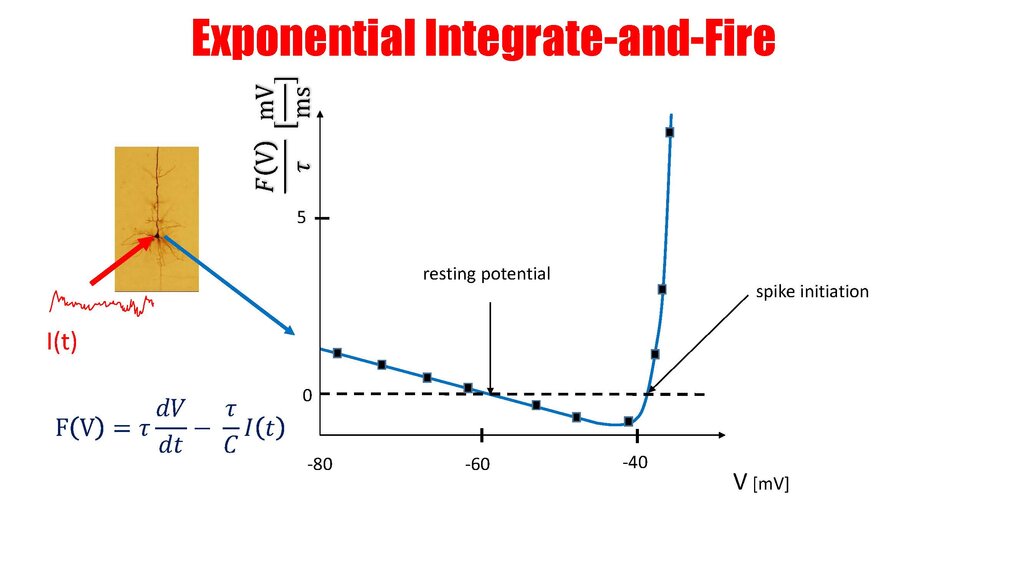
Spiking Neural Networks (SNNs): Most artificial neural networks (ANNs) used in machine learning today communicate using continuous values. Neuromorphic systems often use SNNs, which are more biologically realistic. In an SNN, artificial neurons communicate using discrete spikes—brief pulses of energy—just like their biological counterparts. Information is encoded in the timing and frequency of these spikes.
Co-location of Memory and Processing: To avoid the von Neumann bottleneck, neuromorphic chips integrate memory and processing together. In the brain, the strength of a synapse (the connection between neurons) is a form of memory, and it's located exactly where signals are processed. Neuromorphic hardware mimics this by placing memory elements right next to the processing elements.
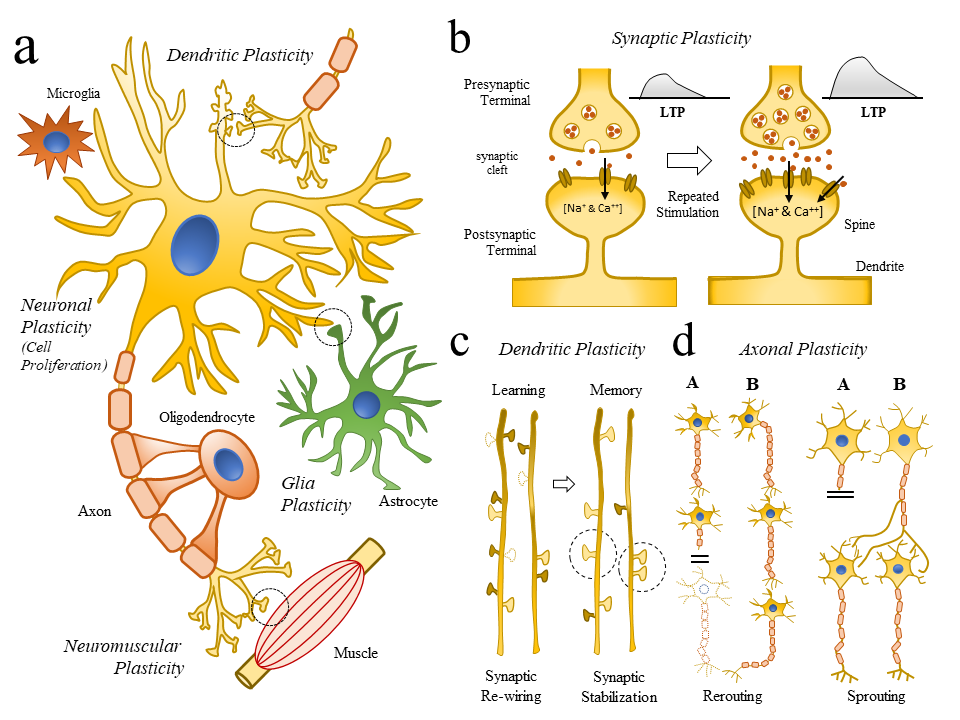
Plasticity and Learning: Biological brains are not fixed; they constantly adapt. The connections between neurons strengthen or weaken based on activity, a process called synaptic plasticity. This is the physical basis of learning and memory. Neuromorphic systems aim to replicate this by building plasticity directly into the hardware, allowing them to learn continuously from their environment.
An Interdisciplinary Field
Creating brain-inspired computers isn't a job for one type of expert. Neuromorphic computing is a deeply interdisciplinary field that sits at the crossroads of several disciplines.
| Field | Contribution |
|---|---|
| Neuroscience | Provides the biological blueprint, offering insights into the brain's structure, function, and learning rules. |
| Computer Science | Develops the algorithms, network architectures, and programming models for these new systems. |
| Electronic Engineering | Designs and fabricates the specialized analog and digital circuits that form neuromorphic chips. |
| Physics | Contributes to the development of new materials and devices, like memristors, that can efficiently emulate synapses. |
By combining knowledge from these areas, researchers are working to build a new generation of intelligent machines that are more efficient and adaptable than anything we have today.
Time for a quick check-in. See if you can answer these questions based on what we've covered.
What is the primary limitation of the von Neumann architecture that neuromorphic computing aims to overcome?
How do Spiking Neural Networks (SNNs), a key component of neuromorphic systems, differ from most traditional Artificial Neural Networks (ANNs)?
This new approach to computing opens up exciting possibilities, moving us from simply programming machines to creating systems that can learn and adapt on their own.