Neurological Diseases and Pathophysiology
Neurodegenerative Proteinopathies
The Protein Misfolding Problem
Neurodegenerative diseases like Alzheimer's and Parkinson's are fundamentally stories of cellular machinery gone wrong. At their core is a concept called proteinopathy, where proteins, the workhorses of our cells, lose their proper shape. Proteins must fold into precise three-dimensional structures to function. When they misfold, they can become sticky, clumping together into aggregates that are toxic to neurons.
Intraneural accumulation of misfolded proteins is a common feature of several neurodegenerative pathologies including Alzheimer's and Parkinson's diseases...
These clumps disrupt essential cellular processes, from communication between neurons to the transport of vital materials. This triggers a cascade of events leading to synaptic dysfunction, energy failure, and ultimately, cell death. The specific protein and the brain region it affects determine the unique symptoms of each disease.
Alzheimer's: A Tale of Two Proteins
Alzheimer's disease is characterized by two main pathological culprits: amyloid-beta peptides and tau proteins. Amyloid-beta (Aβ) is a fragment clipped from a larger protein called the (APP). In a healthy brain, these fragments are cleared away. In Alzheimer's, however, they are produced in excess or not cleared efficiently. They aggregate outside of neurons, forming dense, insoluble structures known as amyloid plaques.
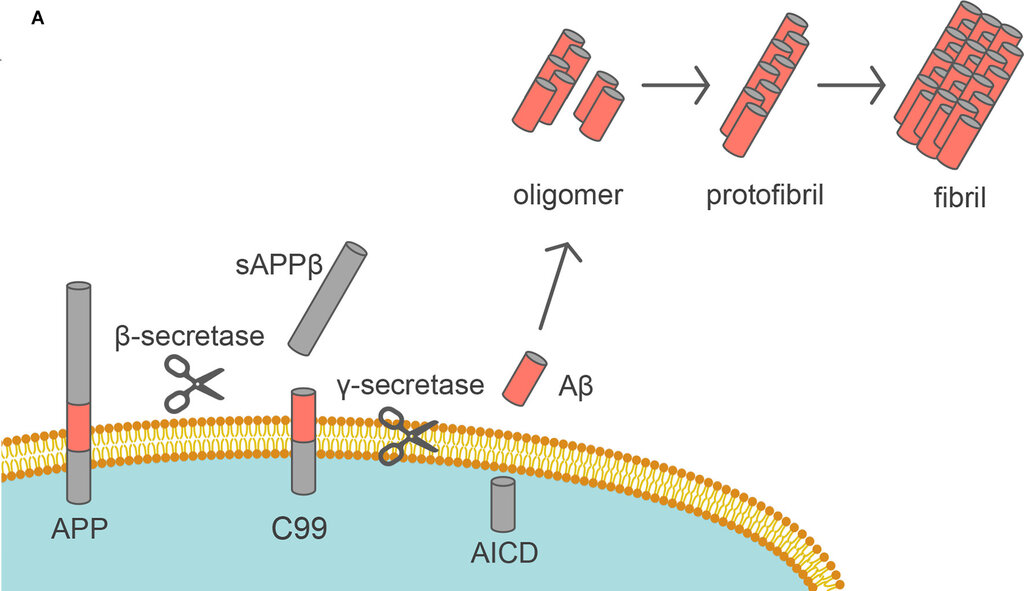
These plaques physically get in the way of synapses, disrupting the electrical signals between brain cells. The second protein, tau, plays an internal role. Normally, tau proteins act like railroad ties, stabilizing the microtubules that form the cell's internal transport network. This network is crucial for moving nutrients, neurotransmitters, and other essential components along the length of the axon.
In Alzheimer's, tau undergoes a chemical change called hyperphosphorylation. This causes it to detach from the microtubules and clump together inside the neuron, forming what are known as (NFTs). Without tau's support, the transport system disintegrates, crippling the neuron's ability to function and communicate. It's this combination of extracellular plaques and intracellular tangles that drives the widespread neuronal death seen in the disease.
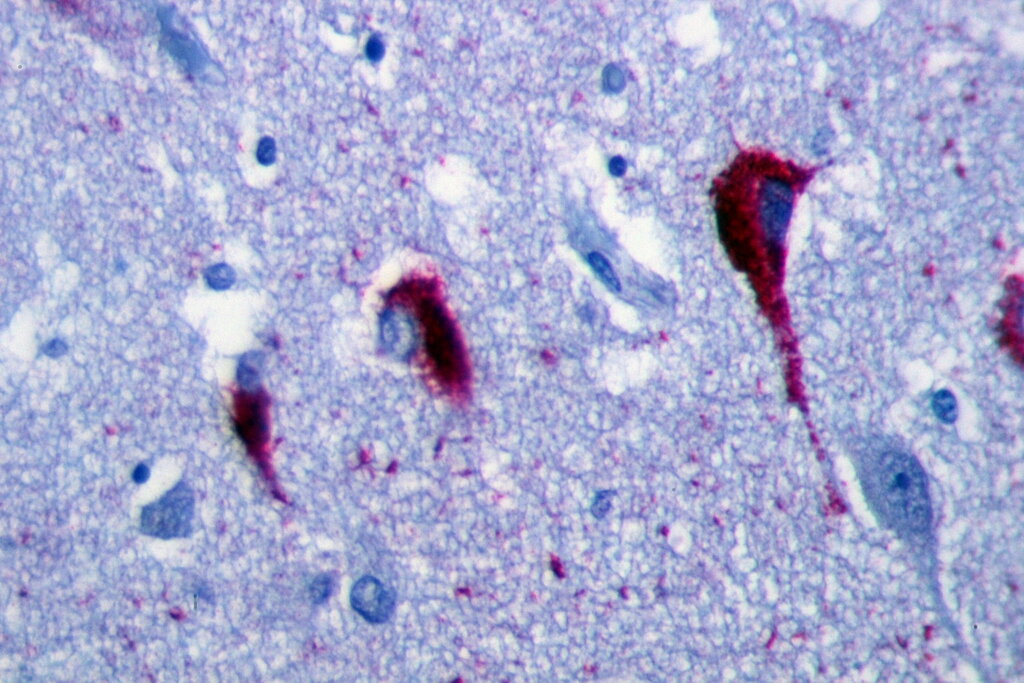
The location of this damage is key. In Alzheimer's, the hippocampus, a region critical for forming new memories, is one of the first areas to be affected by tau pathology. This clinical-pathological correlation explains why memory loss is often the first noticeable symptom of the disease.
Parkinson's and a Sticky Culprit
In Parkinson's disease, the primary misfolded protein is alpha-synuclein. While its normal function isn't fully understood, it's believed to play a role in regulating the release of neurotransmitters at the synapse. In Parkinson's, alpha-synuclein misfolds and aggregates into spherical masses inside neurons called .
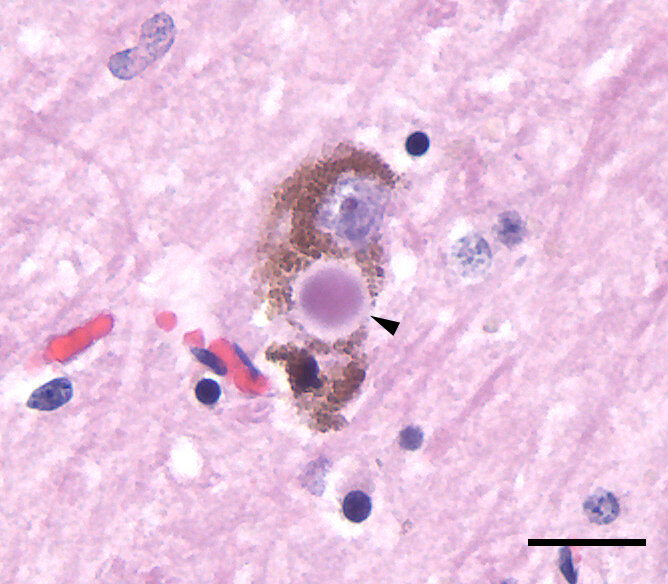
The defining feature of Parkinson's is the loss of dopamine-producing neurons in a part of the midbrain called the substantia nigra. These neurons are particularly vulnerable to alpha-synuclein accumulation. As Lewy bodies form and these cells die off, the brain's supply of dopamine dwindles. This dopamine deficit in the nigrostriatal pathway—which connects the substantia nigra to the striatum—is directly responsible for the classic motor symptoms of Parkinson's, such as tremors, stiffness, and bradykinesia (slowness of movement).
Managing the Symptoms
Since we can't yet halt the underlying neurodegeneration, treatments for both diseases focus on managing symptoms by compensating for the chemical imbalances caused by cell death.
In Alzheimer's, the goal is to boost cognitive function. In Parkinson's, it's to restore movement.
For early to moderate Alzheimer's, cholinesterase inhibitors (like Donepezil) are common. These drugs work by preventing the breakdown of acetylcholine, a neurotransmitter important for memory and learning, thereby increasing its levels in the brain. For moderate to severe stages, Memantine is often used. It's an NMDA receptor antagonist that protects brain cells from damage caused by excess glutamate, a neurotransmitter that becomes overactive and toxic in the diseased brain. These drugs offer modest benefits and don't stop the disease's progression.
In Parkinson's, the cornerstone of treatment is dopamine replacement therapy, most commonly with a combination of Levodopa and Carbidopa. Levodopa is a precursor that the brain can convert into dopamine. Carbidopa is added to prevent Levodopa from being converted into dopamine in the bloodstream, which allows more of it to reach the brain and reduces side effects like nausea.
While highly effective initially, long-term Levodopa use comes with significant trade-offs. Over time, the therapeutic window narrows. Patients may experience "off" periods, where the medication wears off and motor symptoms return before the next dose is due. They can also develop dyskinesias—involuntary, erratic, writhing movements—when dopamine levels peak. Managing these fluctuations becomes a major challenge in advanced Parkinson's, requiring careful adjustment of medication timing and dosage.
The core cellular issue underlying neurodegenerative diseases like Alzheimer's and Parkinson's is referred to as "proteinopathy." What does this term describe?
In Alzheimer's disease, what are the respective locations of amyloid plaques and neurofibrillary tangles (NFTs)?
Understanding these protein-driven pathologies is crucial for developing future therapies that do more than just manage symptoms, aiming instead to halt the devastating progression of these diseases.