Neurobiology of Alcohol vs Drugs
Comparative Acute Pharmacology
Different Paths, Same Peak
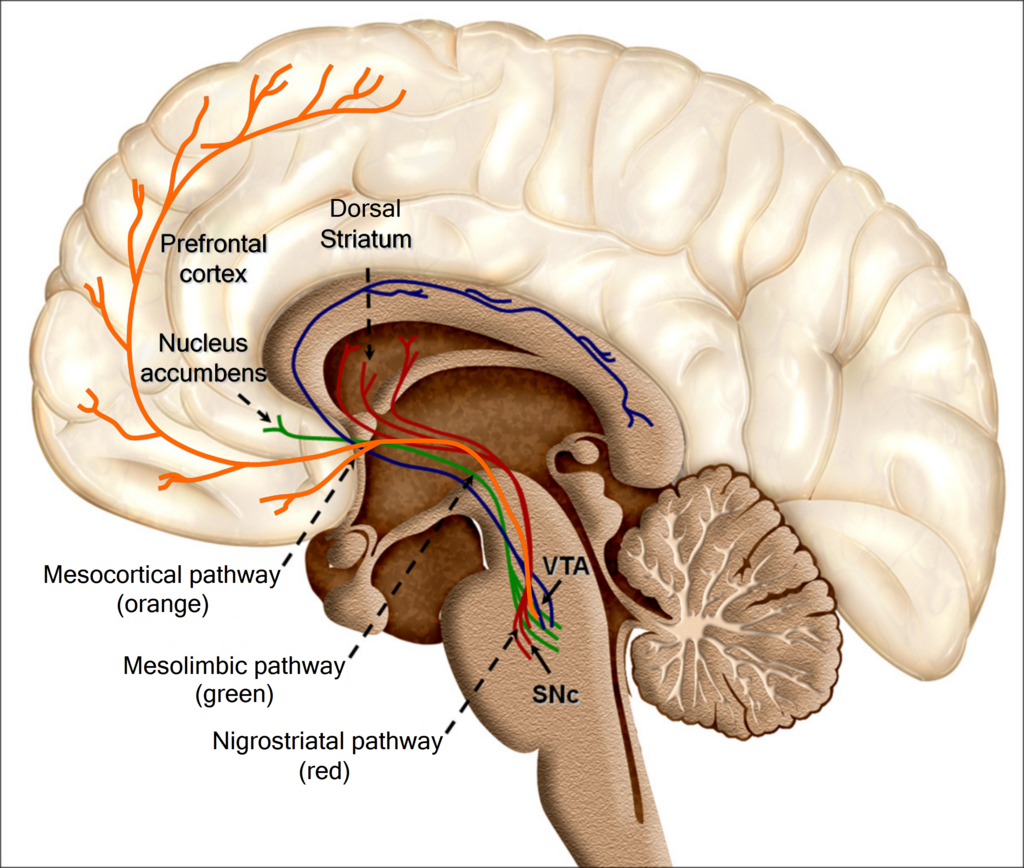
Most major drugs of abuse share a common endpoint: they increase dopamine levels in the brain's reward center, the nucleus accumbens. This surge produces feelings of pleasure and reinforces drug-taking behavior. But how they get there differs dramatically. Stimulants, opioids, and alcohol each use a unique neurochemical trick to achieve this effect, leading to distinct acute experiences and risks.
Stimulants The Direct Route
Stimulants like cocaine and amphetamines take a direct approach. They target the machinery responsible for clearing dopamine out of the synapse after it's been released. Think of the synapse as a room and dopamine as music. Normally, the music fades as it's pumped out. Stimulants mess with the pumps.
The key player here is the (DAT), a protein that acts like a vacuum, sucking dopamine back into the presynaptic neuron for reuse. Cocaine simply blocks this vacuum. With the reuptake mechanism jammed, dopamine stays in the synapse much longer, repeatedly stimulating the postsynaptic neuron. This creates a powerful, euphoric effect.
Amphetamines go a step further. They are not only block the transporter but also trick it into reversing its flow. The DAT, which should be pulling dopamine in, starts actively pumping it out into the synapse. This causes a massive, rapid flood of dopamine that far exceeds what normal brain activity can produce.
Opioids Cutting the Brakes
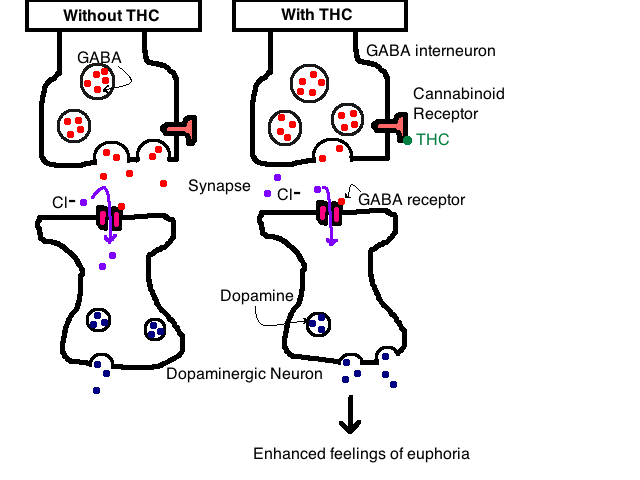
Opioids, such as heroin and fentanyl, take a more indirect route. Their primary targets aren't dopamine neurons themselves, but the neurons that regulate them. In the ventral tegmental area (VTA), where dopamine neurons originate, there are inhibitory neurons called . Their job is to release GABA (gamma-aminobutyric acid), a neurotransmitter that acts as a brake, preventing the dopamine neurons from firing too much.
Opioids bind to mu-opioid receptors (MORs) located on these GABA neurons. This binding action hyperpolarizes the GABA neuron, making it much less likely to fire. In essence, opioids cut the brake lines. With the inhibitory GABA signal suppressed, the dopamine neurons are freed from their normal constraints. This process, called disinhibition, causes them to fire more frequently, releasing a steady, powerful stream of dopamine into the nucleus accumbens.
Alcohol The Scattershot Approach
Alcohol is the least precise of the three. It doesn't bind neatly to one specific receptor type. Instead, its 'neural footprint' is more diffuse, affecting multiple neurotransmitter systems at once. This explains its complex and often contradictory effects, such as initial euphoria followed by sedation.
First, alcohol enhances the brain's primary inhibitory system. It binds to GABA-A receptors, but not at the main binding site where GABA attaches. Instead, it uses to make the receptor more sensitive to GABA. When GABA binds, the receptor's ion channel stays open longer, allowing more chloride ions into the neuron. This increased inhibition is what causes alcohol's sedative and anti-anxiety effects.
Second, alcohol simultaneously suppresses the brain's main excitatory system by inhibiting NMDA receptors, which are crucial for learning and memory. This action disrupts glutamate signaling, contributing to cognitive impairment and memory blackouts.
Finally, alcohol also triggers the release of the body's own endogenous opioids. These endorphins then bind to mu-opioid receptors, creating the same disinhibition of dopamine neurons seen with drugs like heroin, just to a lesser degree. It's this multi-pronged attack that makes alcohol's pharmacology so uniquely complex.
Comparing the Dopamine Wave
The different mechanisms result in distinct patterns of dopamine release. Stimulants cause a very rapid, high-peaked surge, which accounts for their intense, immediate rush. Opioids produce a more gradual but sustained elevation, leading to prolonged euphoria. Alcohol's effect is the most spread out, a less intense but broader wave that reflects its impact on multiple systems.
Understanding these distinct pathways is crucial. While the end result is a dopamine increase, the method of action shapes the drug's subjective effects, its potential for addiction, and its overall impact on the brain and body. Each path, though leading to a similar peak, carries its own unique landscape of consequences.
How does the mechanism of action for amphetamines on the dopamine transporter (DAT) differ from that of cocaine?
Opioids increase dopamine in the nucleus accumbens by inhibiting GABAergic interneurons in the VTA. What is this process called?