Neurobic Exercises and Two-Handed Writing
Understanding Bilateral Coordination
Using Both Sides of Your Body
Think about tying your shoelaces. One hand holds the loop steady while the other wraps the second lace around it. Or cutting a piece of paper. One hand holds the paper, and the other uses the scissors. These actions seem simple, but they rely on a powerful skill called bilateral coordination: the ability to use both sides of your body together in a controlled and organized way.
This skill isn't just one thing. It comes in a few different flavors, depending on what our hands or feet are doing.
| Type | Description | Example |
|---|---|---|
| Symmetrical | Both sides of the body do the same thing at the same time. | Clapping your hands, doing a jumping jack. |
| Alternating | The sides of the body move back and forth, one after the other. | Walking, climbing a ladder, swimming. |
| Supporting Role | One hand (usually the non-dominant one) supports or stabilizes while the other (dominant) hand does skilled work. | Holding a jar while twisting the lid off, holding paper while writing. |
The Brain's Balancing Act
So how does your body pull this off? The secret lies in how your brain is structured. Your brain is split into two halves, or hemispheres. The right hemisphere controls the left side of your body, and the left hemisphere controls the right side. For your two hands to work together on a single task, these two hemispheres need to talk to each other constantly.
The main communication highway between them is a thick bundle of nerve fibers called the corpus callosum. It acts like a bridge, sending millions of messages back and forth every second. When you're performing a task that requires bilateral coordination, this bridge is buzzing with traffic. It allows your brain to process information from both sides of your body and send out coordinated instructions to your muscles.
This cross-brain communication is what allows one hand to know what the other is doing, enabling them to cooperate smoothly.
Why It Matters Every Day
Bilateral coordination is a cornerstone of our physical abilities. We rely on it for basic self-care, like buttoning a shirt or brushing our teeth. It's also essential for more complex activities like playing a musical instrument, typing on a keyboard, or participating in sports. Without it, actions that feel effortless would become clumsy and difficult.
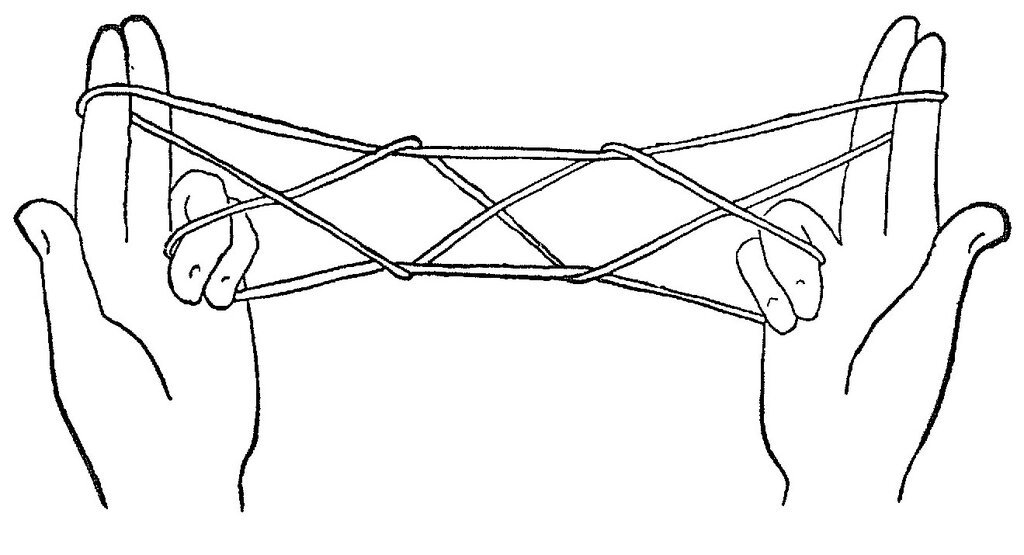
This skill is also tightly linked to the development of fine motor skills and overall dexterity. To write or draw, you need your non-dominant hand to hold the paper still—a perfect example of bilateral coordination providing a stable foundation for precise, detailed work. The ability to coordinate both sides of the body builds a base for the more specialized skills our hands and fingers need to perform.
Strong bilateral coordination is the foundation upon which fine motor skills, like writing and cutting, are built.
Even cognitive tasks can be influenced by this skill. For example, learning to read and write involves tracking words from left to right across a page, an act that requires the eyes—and by extension, the brain—to smoothly cross the body's midline. Developing strong bilateral coordination in childhood helps build the neural pathways that support these academic skills later on.
What is the best definition of bilateral coordination?
Which part of the brain acts as the primary 'communication bridge' between the left and right hemispheres, enabling bilateral coordination?
Bilateral coordination is more than just a physical skill; it’s a reflection of a well-connected brain. It’s a fundamental ability that supports countless actions we perform every day, from the simplest movements to our most complex creative and athletic pursuits.