Neuroaesthetics The Science of Beauty
Introduction to Neuroaesthetics
What is Neuroaesthetics?
Have you ever been captivated by a painting, moved to tears by a piece of music, or felt a sense of awe looking at a sunset? Neuroaesthetics is the field that asks why. It's the scientific study of how our brains create and respond to aesthetic experiences.
Essentially, neuroaesthetics connects the worlds of art and science to explore the biological basis of beauty and art.
The scope is broad. It isn't just about famous paintings in a museum. Researchers in this field study our reactions to music, dance, architecture, literature, and even the beauty we find in nature. The goal is to understand the brain processes that underlie our personal sense of taste, preference, and emotional connection to what we see, hear, and feel.
A Quick History
The question of what makes something beautiful is ancient. Philosophers like Plato and Immanuel Kant spent their lives thinking about aesthetics. But they could only speculate about what was happening inside the mind. They lacked the tools to look inside the brain.
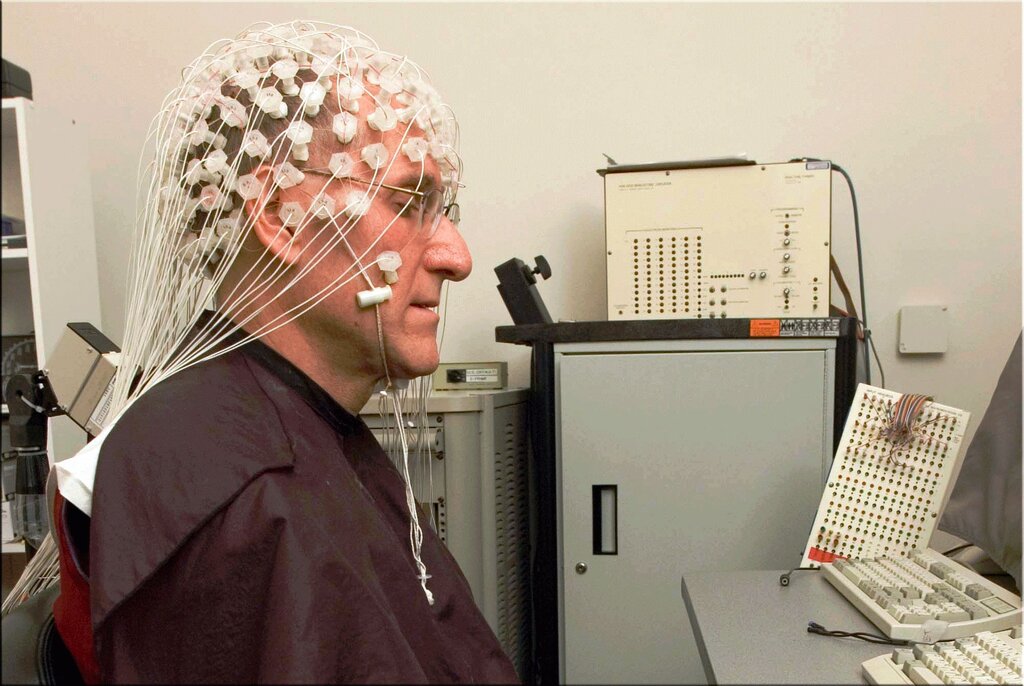
The field of neuroaesthetics officially began to take shape in the late 1990s. Neurobiologist Semir Zeki is credited with coining the term. He proposed that we could use modern neuroscience to investigate the biological foundations of aesthetic appreciation. What changed? Technology. The development of brain imaging techniques like functional Magnetic Resonance Imaging (fMRI) was a game-changer. For the first time, scientists could observe the living brain in action as a person looked at art or listened to music. This allowed them to move from philosophical debate to empirical investigation.
A Meeting of Minds
Neuroaesthetics isn't just one discipline. It's a true collaboration, sitting at the intersection of several fields. Think of it as a conversation between scientists, artists, and humanities scholars.
| Field | Contribution |
|---|---|
| Neuroscience | Provides the tools (like fMRI and EEG) and knowledge of the brain's anatomy and function. It helps map out which brain regions are active during aesthetic moments. |
| Psychology | Offers methods for studying behavior, emotion, and cognition. It explores how individual experiences, culture, and personality shape our aesthetic preferences. |
| Art & Humanities | Provides the subject matter. Art history, music theory, and literary studies offer deep knowledge about the creation and cultural significance of aesthetic works. |
This interdisciplinary approach is vital. A neuroscientist can show what part of the brain lights up, but an art historian can help explain why a particular brushstroke or musical chord might be so powerful. By working together, researchers get a much richer and more complete picture.
Why Does It Matter?
Studying our brain's response to beauty isn't just a curiosity. It touches upon something fundamental about what it means to be human. Art and other aesthetic pursuits have been a constant throughout human history, across every culture. Understanding the neural basis for this tells us something important about our own evolution and cognition.
This research also has practical implications. It can inform therapies that use art and music to improve mental health and well-being. It might also help us design more pleasing and effective environments, from buildings to digital interfaces. By exploring the connection between our brains and beauty, we learn more about the very nature of human experience.
What is the primary focus of neuroaesthetics?
The development of which technology was a major catalyst for the growth of neuroaesthetics as a scientific field?