Neural Networks From Scratch
Neural Network Basics
What Is a Neural Network?
A neural network is a computing system designed to recognize patterns by mimicking the way the human brain works. Instead of being programmed with explicit rules for a task, it learns from examples. Think about telling a cat from a dog. You could try to write rules for a computer—four legs, pointy ears, whiskers—but you'd quickly find exceptions. A neural network learns the difference by analyzing thousands of cat and dog photos, finding the key features on its own.
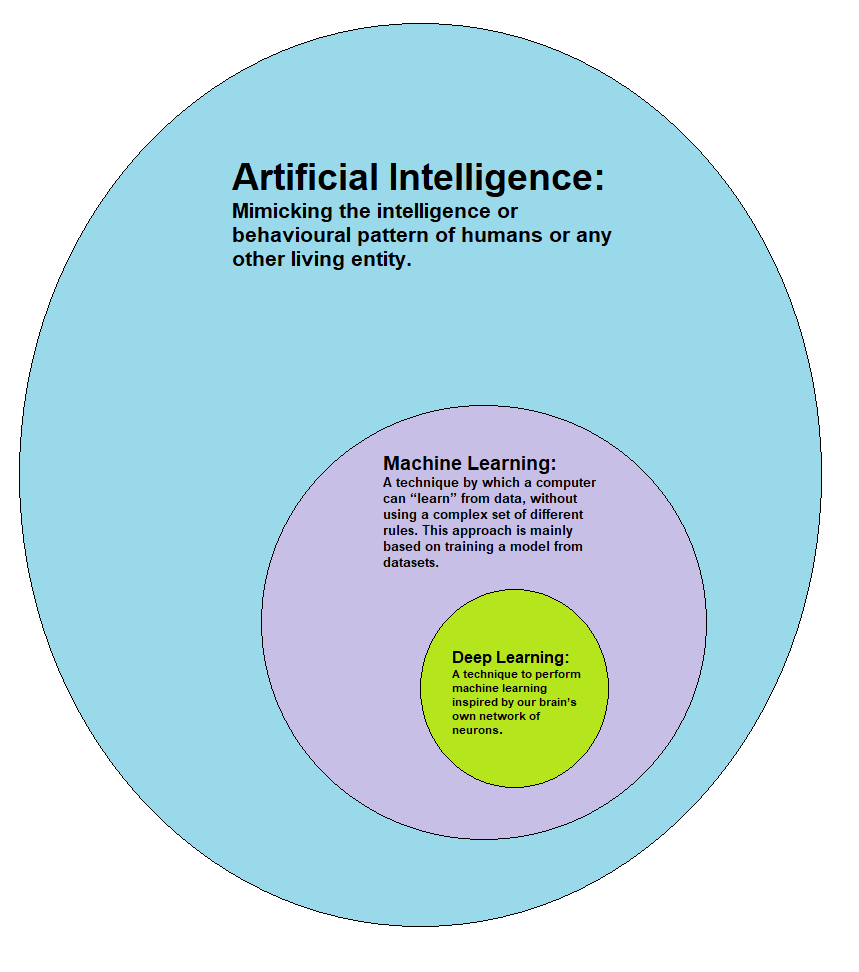
This ability makes neural networks powerful tools for solving complex problems. They are a core component of machine learning and deep learning, which are both subfields of artificial intelligence. While AI is the broad idea of creating intelligent machines, machine learning is a method for teaching them, and neural networks are a popular type of model used to do that learning.
Inspired by the Brain
The original idea for neural networks came from neuroscience. Our brains are made of billions of cells called neurons, which are connected in a vast network. Each neuron receives signals from others, processes them, and then passes a signal on. Learning happens when the connections between these neurons strengthen or weaken.
Artificial neural networks are a simplified model of this biological process. They aren't actual brains, but they borrow the core principles of using simple, interconnected processing units to solve complex problems.
The Building Blocks
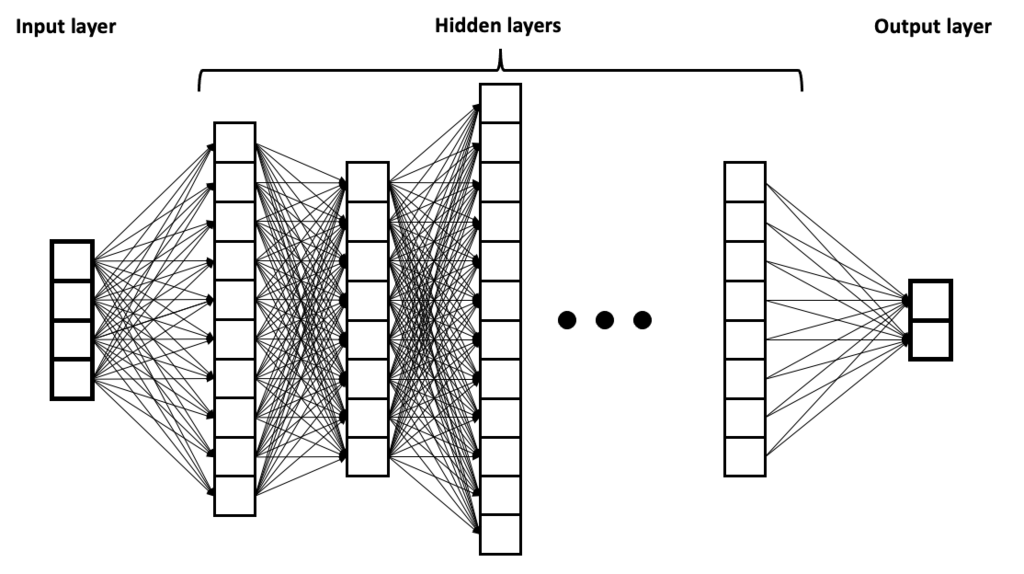
An artificial neural network is organized into a series of layers, each made up of individual nodes, or artificial neurons.
- Nodes (Neurons): These are the fundamental units where computation occurs. Each node receives inputs from other nodes, performs a simple calculation, and produces an output.
- Connections: Lines connect nodes between layers, representing the pathways for information. Each connection has a weight, a number that determines the strength and importance of the signal. During learning, the network adjusts these weights.
- Layers: A network is structured in layers:
- The Input Layer receives the initial data, like the pixels of an image or the words in a sentence.
- Hidden Layers sit between the input and output. This is where most of the processing happens. A network can have one or many hidden layers. The more hidden layers, the "deeper" the network is.
- The Output Layer produces the final result, like a label ("cat" or "dog") or a number.
Types of Neural Networks
Not all neural networks are the same. Different architectures are designed for different tasks.
| Network Type | Key Feature | Common Use |
|---|---|---|
| Feedforward | Information flows in one direction, from input to output. | Basic classification tasks, like predicting if a loan application will be approved. |
| Convolutional (CNN) | Specialized for processing grid-like data, such as images. | Image recognition, self-driving cars. |
| Recurrent (RNN) | Has a "memory" that allows it to use past information. | Language translation, speech recognition, stock market prediction. |
These are just a few examples. The field is constantly evolving, with new and more complex architectures being developed to tackle increasingly difficult challenges, from generating art to discovering new medicines.
What is the primary method by which a neural network learns to perform a task?
Which statement best describes the relationship between Artificial Intelligence (AI), Machine Learning (ML), and Neural Networks?