Neural Networks Explained
Introduction to Neural Networks
What Is a Neural Network?
At its core, a neural network is a type of computing system inspired by the human brain. It's designed to recognize patterns in data. Think of it like a digital brain that can learn from examples, much like we do. Instead of being programmed with a specific set of rules for a task, we can show a neural network thousands of photos of cats, and it will eventually learn to identify a cat on its own.
The fundamental building block of these networks is the artificial neuron, or node. Each neuron receives input from other neurons, processes it, and then passes a signal on to the neurons it's connected to.
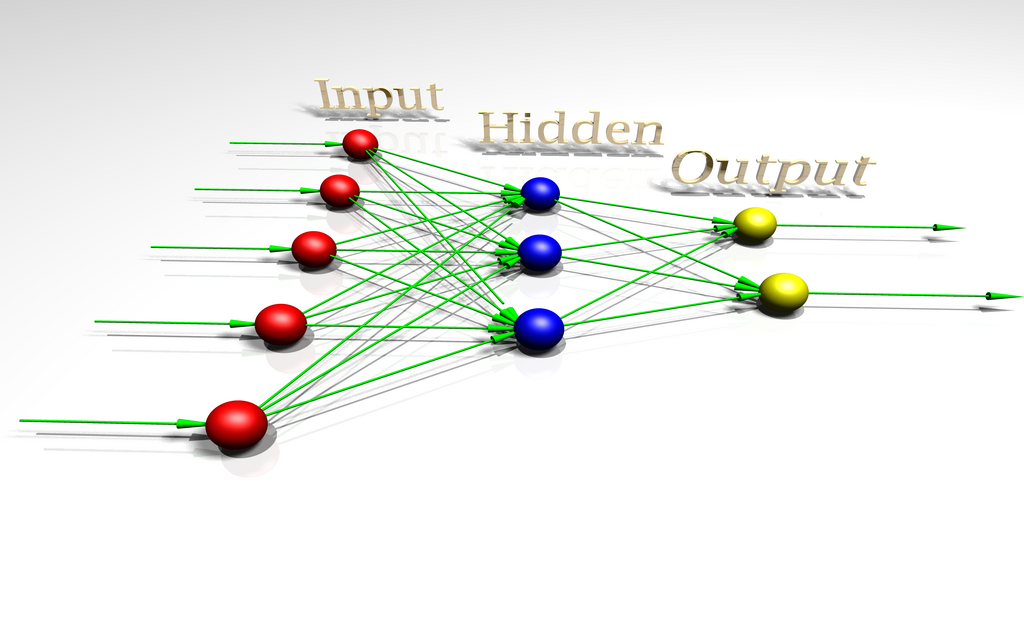
These neurons are organized into layers. The first layer is the Input Layer, which receives the raw data, like the pixels of an image or the words in a sentence. The last layer is the Output Layer, which produces the final result, such as a prediction or a classification.
In between are one or more Hidden Layers. This is where most of the processing happens. The connections between neurons have associated weights, which are adjusted as the network learns. A strong connection means the signal from one neuron will have a big effect on the next. A weak connection means it will have a small effect. It's this network of weighted connections that allows the system to learn complex patterns.
A Quick Trip Through History
The idea isn't new. The concept of an artificial neuron was first proposed in 1943. Early models in the 1950s, like Frank Rosenblatt's perceptron, were exciting but limited. They could only learn very simple patterns.
For several decades, progress slowed down. The computing power needed to build and train larger, more complex networks simply wasn't available. This period is sometimes called the "AI winter."
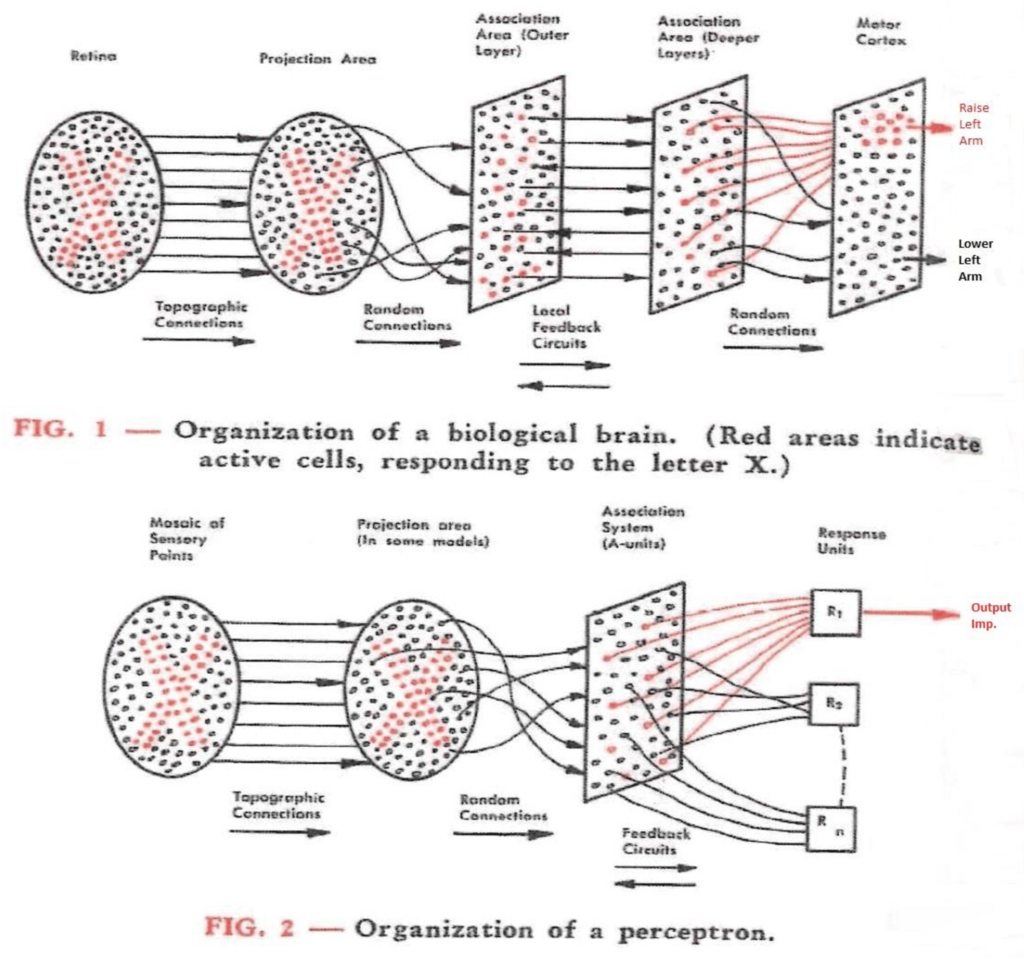
Everything changed in the 2000s and 2010s. The explosion of big data and the development of powerful processors (especially GPUs) gave researchers the tools they needed. Suddenly, it became possible to train deep neural networks with many hidden layers. This breakthrough, known as deep learning, led to the powerful AI we see today in everything from voice assistants to medical imaging.
What Can They Do?
Neural networks excel at tasks that are easy for humans but difficult for traditional computers. They are masters of fuzzy, pattern-based problems where the rules are not easily defined.
Here are a few examples:
- Image Recognition: Identifying objects, faces, and scenes in pictures and videos. This is what powers photo tagging on social media and self-driving cars' ability to see the world.
- Natural Language Processing (NLP): Understanding and generating human language. This includes everything from spam filters in your email to real-time language translation.
- Recommendation Engines: Suggesting products, movies, or music you might like based on your past behavior. Services like Netflix and Spotify rely heavily on this.
Essentially, if a task involves recognizing a pattern, a neural network is likely a good tool for the job.
They can also be used for medical diagnosis, financial forecasting, and even creating art and music. As the field advances, the range of problems neural networks can solve continues to grow, making them one of the most versatile tools in modern technology.
Now, let's test your understanding of these core concepts.
What is the primary function of a neural network?
In the architecture of a neural network, the raw data, such as the pixels of an image, is initially fed into which layer?