Neural Networks Explained
Introduction to Neural Networks
Inspired by the Brain
At its heart, an artificial neural network is a computational model inspired by the human brain. It's designed to recognize patterns in data, much like our own minds learn from experience. Instead of being explicitly programmed for every possible scenario, a neural network learns by looking at many examples.
The idea isn't new. The concept dates back to the 1940s and 1950s, when scientists like Frank Rosenblatt developed the first simple neural network, the Perceptron. Their goal was to create a machine that could learn in a way that mimicked biological neurons.
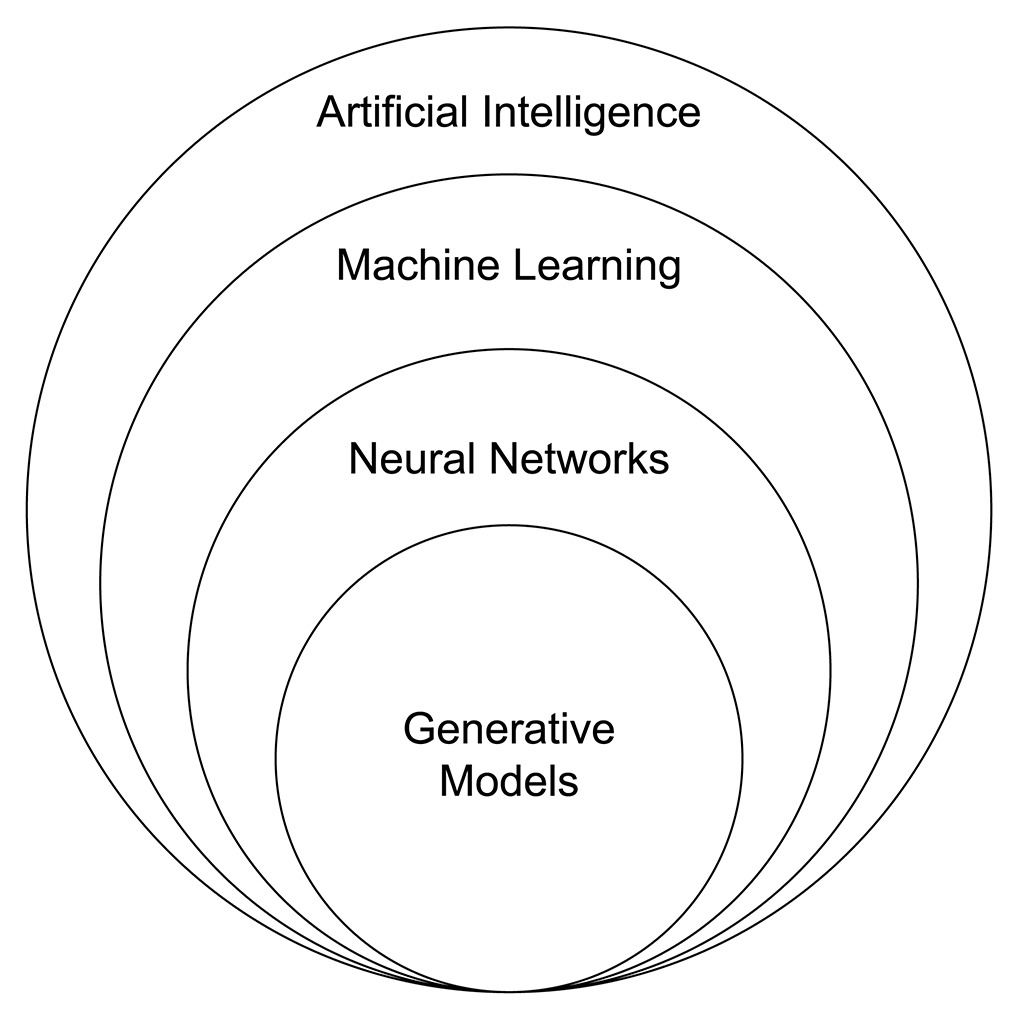
The Perceptron was the first neural network, a rudimentary version of the profoundly more complex “deep” neural networks behind much of modern artificial intelligence (AI).
Early models were limited by the available computing power, but the core principles they established are still fundamental to the powerful AI systems we use today.
The Building Blocks
A neural network is made of simple processing units organized into layers. Think of it as a team of specialists working on a problem. Each specialist handles one small part of the task, then passes their conclusion to the next specialist in line.
The core components are:
-
Neurons (or Nodes): These are the individual processing units. A neuron receives inputs, performs a simple calculation, and produces an output. In the diagram above, each circle is a neuron.
-
Synapses (or Weights): These are the connections between neurons. Each connection has a weight, a number that determines the strength of the signal passing through it. A higher weight means the signal has more influence. The network learns by adjusting these weights.
-
Layers: Neurons are organized into layers. The first layer is the Input Layer, which receives the raw data. The last is the Output Layer, which produces the final result. Any layers in between are called Hidden Layers, and this is where most of the pattern recognition happens.
Data flows one way: from the input layer, through the hidden layers, to the output layer. The network's power comes from having many simple neurons work together in this layered structure.
neuron
noun
A fundamental processing unit of a neural network that receives inputs, performs a computation, and produces an output.
How does a single neuron work? It takes all the signals coming in from the previous layer, multiplies each by its connection's weight, and adds them up. If this sum is above a certain threshold, the neuron "fires" and sends a signal to the neurons in the next layer. This on/off mechanism is inspired by how biological neurons are thought to work.
A Simple Idea with Deep Impact
While the basic structure is straightforward, the collective behavior of thousands or even millions of these simple units allows neural networks to find incredibly complex and subtle patterns in data. They don't follow rigid, pre-programmed rules. Instead, they form their own understanding by adjusting the strengths of their internal connections based on the data they see.
This learning ability is what makes neural networks so versatile. They form the foundation of many modern AI systems, from image recognition and natural language processing to self-driving cars. Understanding this basic architecture is the first step to grasping how these powerful technologies work.
Let's check your understanding of these foundational concepts.
What is the fundamental processing unit of a neural network called?
The primary way a neural network learns is by adjusting the weights of the connections between its neurons.
By understanding these core components, you're ready to explore how these networks actually learn and are applied to solve real-world problems.