Neural Networks Explained
Neural Network Basics
The Brain of the Machine
At its heart, a neural network is a computer system designed to recognize patterns. It's a method in artificial intelligence that teaches computers to process data in a way that is inspired by the human brain. Think of it as a tool for finding patterns in data that are too complex for a human programmer to teach a machine by hand. Instead of writing rules, we let the network figure out the rules for itself.
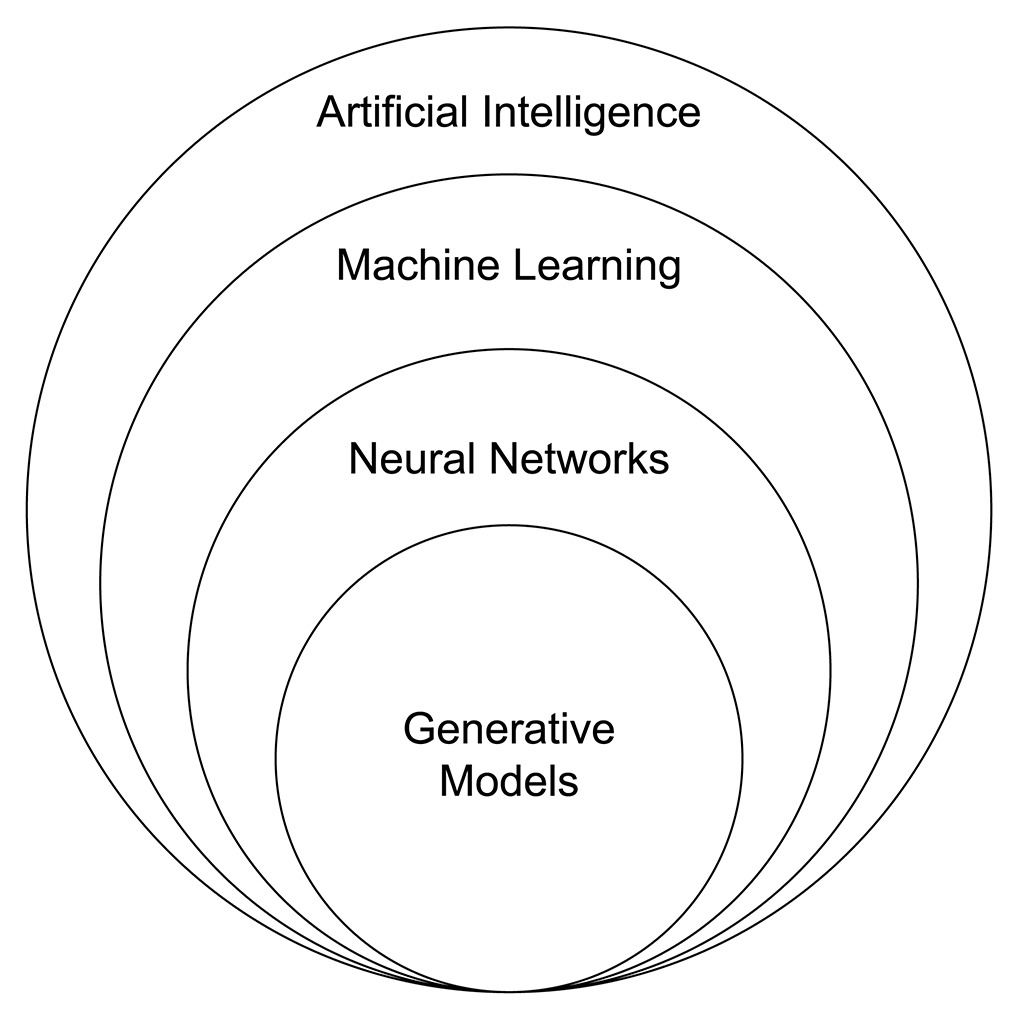
This approach is powerful because it excels at tasks that are easy for humans but difficult for traditional computers, like recognizing a face in a photo, understanding speech, or spotting a fraudulent transaction. To understand how they work, we first need to look at the remarkable system they're modeled after: our own brain.
Inspired by Biology
Your brain is made of billions of cells called neurons. These neurons are connected, forming a massive network. When you learn something new, the connections between specific neurons grow stronger. A biological neuron receives signals through branches called dendrites, processes them in its cell body, and then sends an output signal down a long cable called an axon.
An artificial neural network mimics this structure with its own version of a neuron, often called a node. It’s a simplified mathematical model that gets the job done.
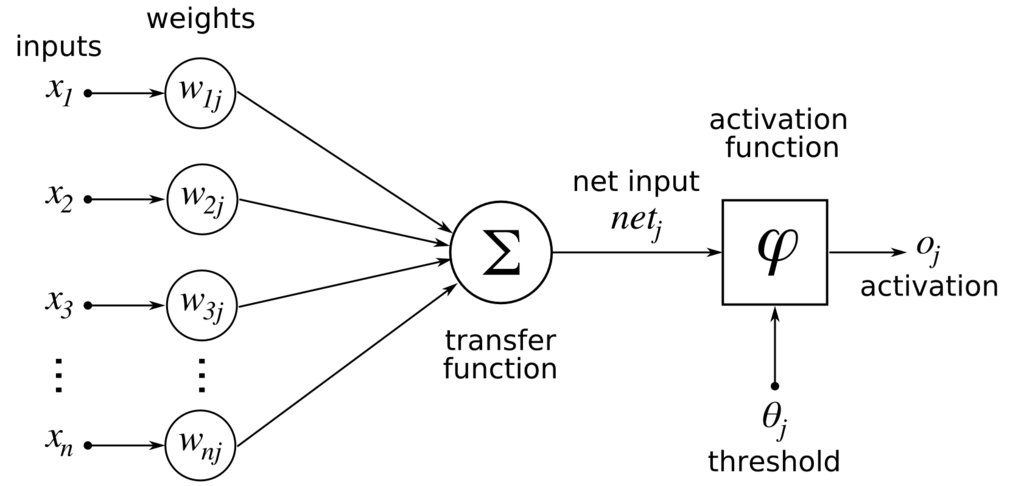
Each artificial neuron receives one or more inputs, which are like the signals received by dendrites. Each input has a weight, which is a number that represents the strength of the connection. A higher weight means the signal is more important. The neuron sums up all the weighted inputs and then uses a simple rule to decide what output signal to send along to other neurons.
neuron
noun
A fundamental unit of a neural network that processes and transmits information. In artificial networks, it's also called a node.
Layers of Learning
A single neuron isn't very smart. The power of a neural network comes from organizing many of these simple neurons into layers. Most networks have at least three types of layers.
Input Layer: This is the network's front door. It takes in the raw data you want to process. If you're analyzing an image, each neuron in the input layer might correspond to one pixel.
Hidden Layer(s): These are the intermediate layers between the input and output. This is where the real processing happens. A network can have one hidden layer or many (which is where the term "deep learning" comes from). Each layer looks for different patterns in the data it receives from the previous layer.
Output Layer: This is the final layer that produces the result. For a network that identifies animals, the output layer might have one neuron for each animal it can recognize, like "cat," "dog," or "bird."
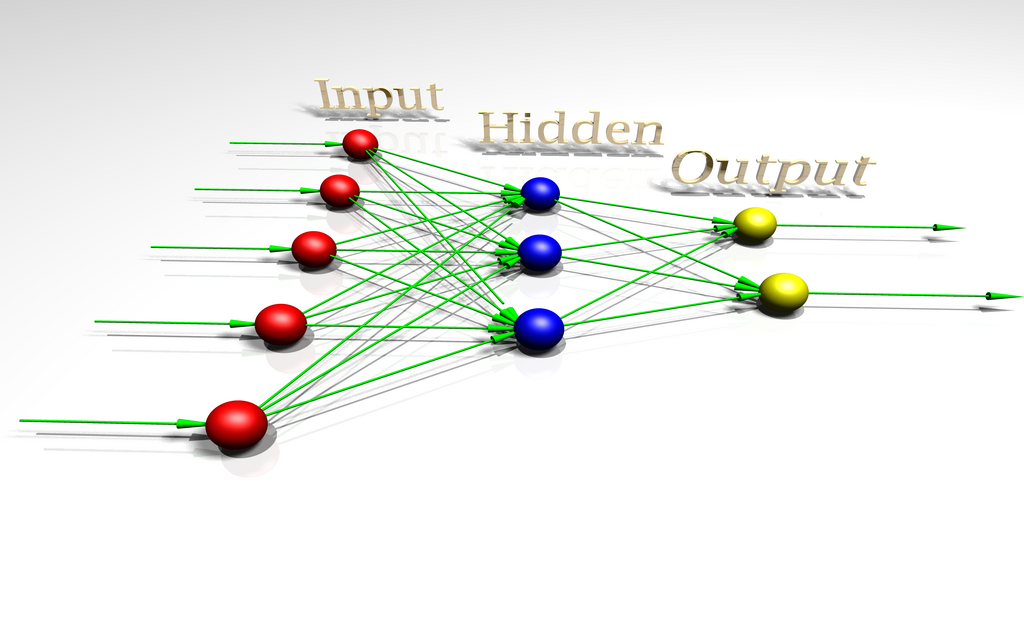
Information flows through the network in a straightforward way. Data enters the input layer. The neurons in this layer pass their signals to the first hidden layer. The neurons in the hidden layer process the information and pass their results to the next layer. This continues until the data reaches the output layer, which gives the final answer.
Each connection between neurons in different layers has a weight. These weights are the key to the network's knowledge. By adjusting these weights, the network learns to make better predictions. It's like turning knobs to tune the network until it produces the correct output for a given input.
This layered structure allows the network to learn complex features incrementally. The first hidden layer might learn to recognize simple things like edges or colors. The next layer might combine those edges to recognize shapes like ears or tails. Finally, the output layer puts it all together to identify the object as a cat.
Now, let's test your understanding of these core concepts.
What is the primary purpose of an artificial neural network?
In a neural network, what represents the strength or importance of a connection between two neurons?
By mimicking the brain's structure of interconnected neurons organized in layers, neural networks provide a powerful framework for solving complex pattern recognition problems.