Neural Network Fundamentals
Introduction to Neural Networks
What Are Neural Networks?
At its core, an artificial neural network is a computational system inspired by the structure of the human brain. Its main purpose is to recognize patterns in data. Just as our brains learn from experience, neural networks use data to train themselves to perform tasks like identifying images, understanding speech, or predicting future trends.
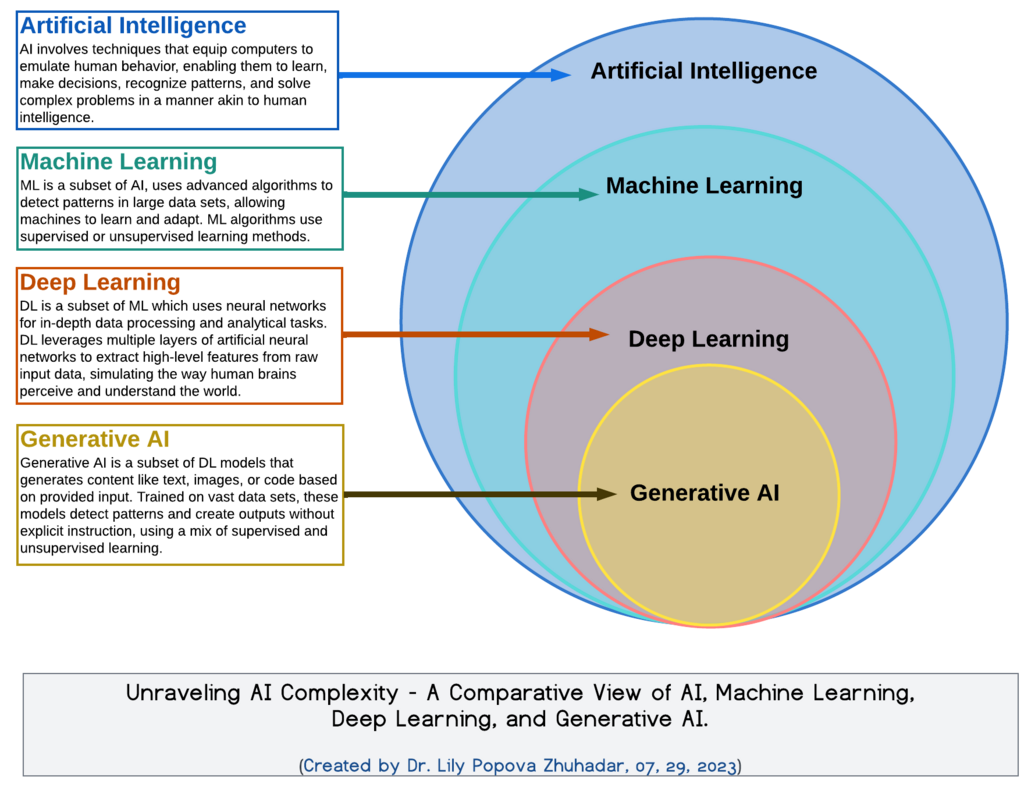
The fundamental idea is to simulate a large number of interconnected brain cells, called neurons, to process information. These artificial neurons work together to solve problems that would be difficult or impossible to tackle with traditional rule-based programming. Instead of being explicitly told how to perform a task, the network learns by example.
A Quick Trip Through History
The concept of neural networks isn't new. The first seeds were planted in the 1940s and 50s with simple mathematical models of neurons. Early pioneers created models like the Perceptron, which could learn to make simple decisions. However, these early systems were very limited, and progress stalled for several decades in a period sometimes called the "AI winter."
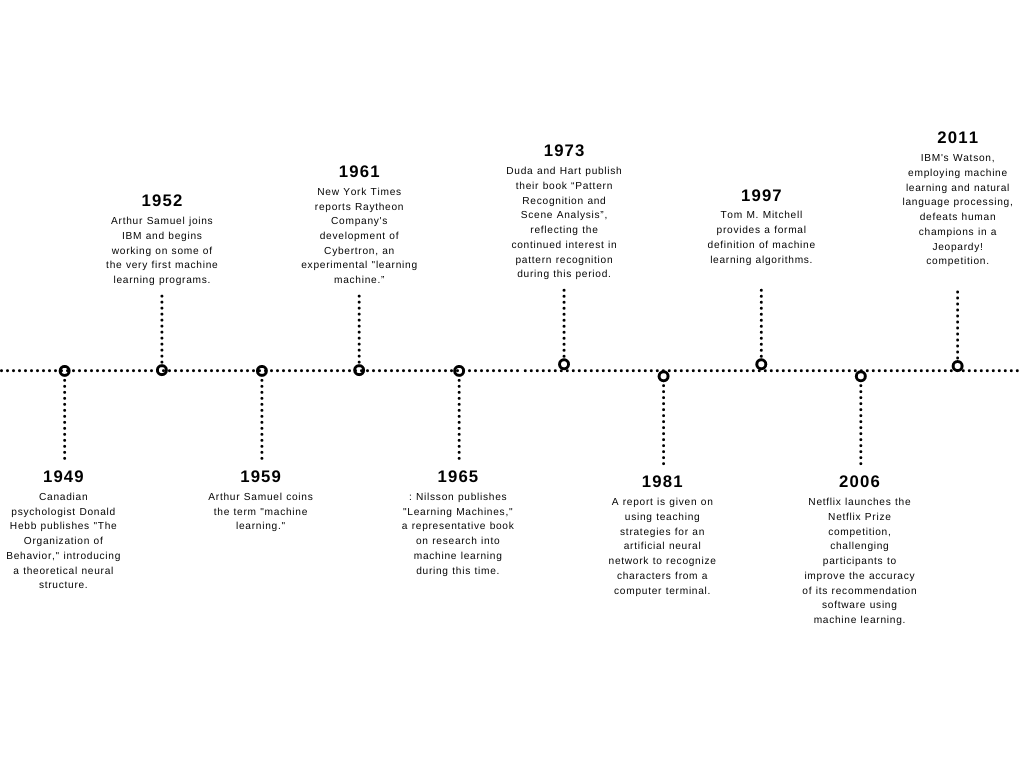
Things began to change dramatically in the 21st century. Two key factors sparked a revolution: the availability of massive amounts of data (thanks to the internet) and the development of much more powerful computers, especially graphics processing units (GPUs). These advancements allowed researchers to build and train much larger and more complex networks, leading to the powerful deep learning models we see today.
The Building Blocks
Neural networks are constructed from a few simple components that are organized into layers.
neuron
noun
A basic computational unit of a neural network that receives input, processes it, and passes the result as output to other neurons.
The simplest network has three types of layers:
- Input Layer: This is the network's entry point. Each neuron in this layer represents a feature of the input data. For an image, this could be the value of each pixel.
- Hidden Layers: These are the intermediate layers between the input and output. This is where most of the computation happens. A "deep" neural network is simply one with many hidden layers.
- Output Layer: This is the final layer that produces the network's result, such as a classification or a prediction.
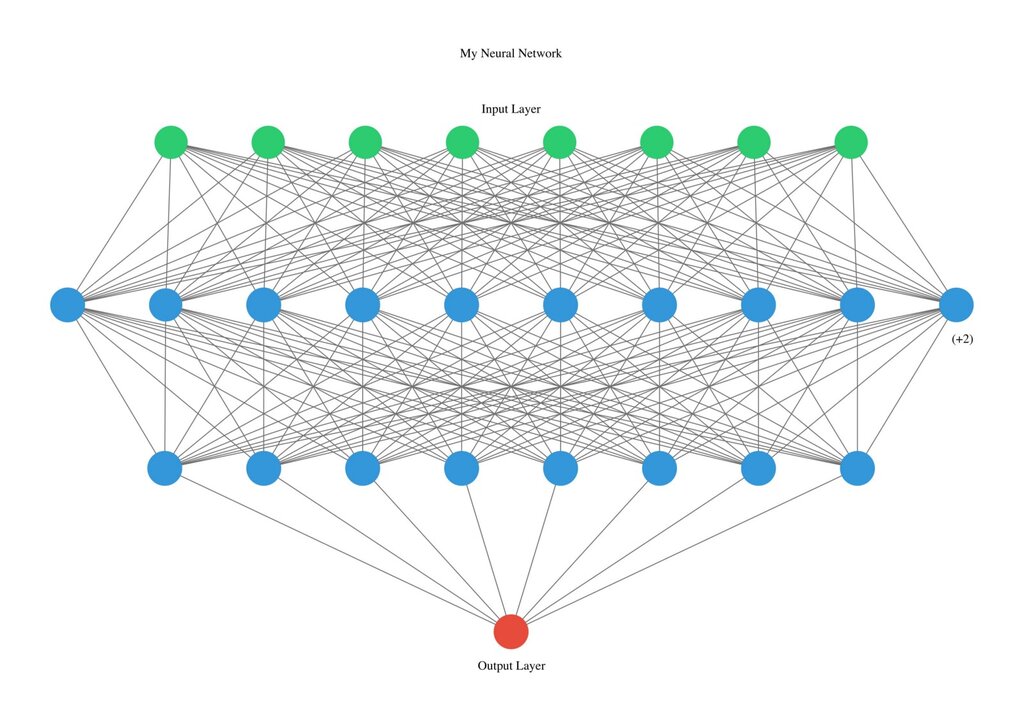
Neurons in one layer are connected to neurons in the next. Each connection has a weight, which is a number that determines the strength of the signal passing through it. During the training process, the network adjusts these weights to improve its accuracy. This adjustment of weights is how the network "learns."
A Family of Networks
Not all neural networks are built the same way. Different architectures are designed to solve different types of problems.
Feedforward Neural Networks (FNNs) are the most basic type. Information flows in only one direction, from the input layer, through the hidden layers, to the output layer. They are excellent for tasks like classification and regression, where the input data doesn't have a time sequence.
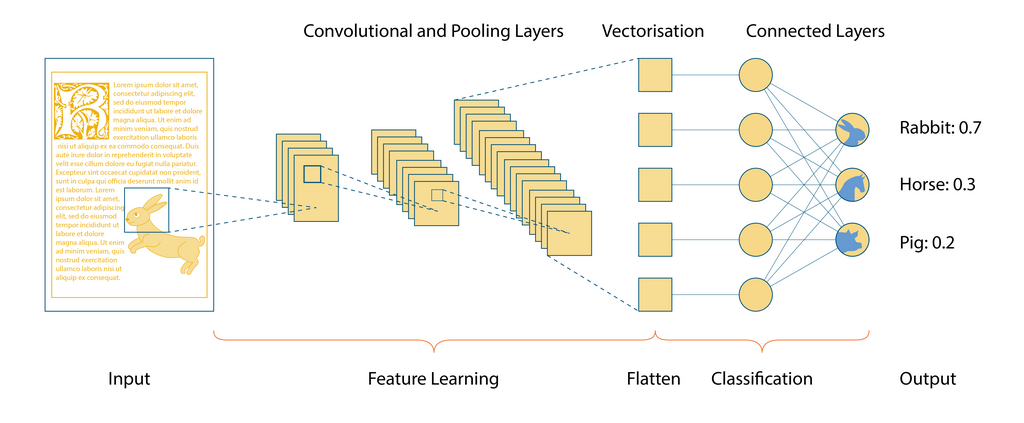
Convolutional Neural Networks (CNNs) are specialists in processing grid-like data, such as images. They use special layers that can detect patterns like edges, corners, and textures. This makes them incredibly powerful for computer vision tasks, like identifying objects in a photograph or powering self-driving cars.
Recurrent Neural Networks (RNNs) are designed to work with sequential data, where order matters. Think of language, stock prices, or weather data over time. RNNs have a form of memory that allows them to use information from previous inputs to influence the current input and output. This makes them ideal for natural language processing, like translation and text generation.
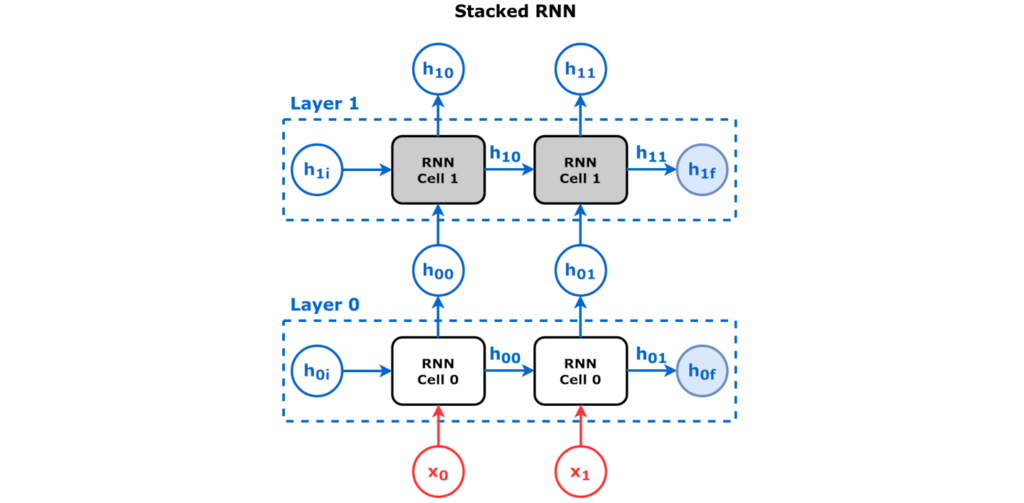
These are just a few examples. The field is constantly evolving, with new and more sophisticated architectures being developed all the time.
What is the primary purpose of an artificial neural network?
Which type of neural network is specifically designed to handle sequential data like text or stock prices?
This foundational knowledge of what neural networks are, where they came from, and how they're structured is the first step toward understanding the complex world of AI and deep learning.