Neural Network Fundamentals
Introduction to Neural Networks
What Are Neural Networks?
At its core, a neural network is a computing system inspired by the human brain. Just as our brains are made of interconnected neurons that process information, artificial neural networks are built from simple processing units that work together to solve problems. Their main purpose is to recognize patterns in data. This could be anything from identifying a cat in a photo to spotting fraudulent credit card transactions.
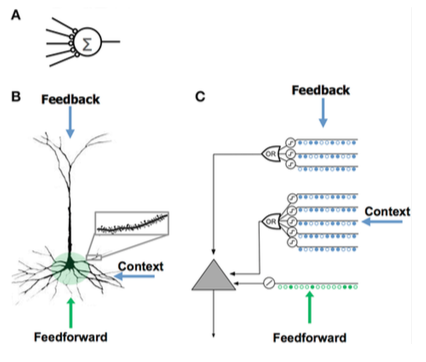
Think of a neural network as a team of specialists. Each member looks at a small piece of a problem. They then pass their findings to other members, who combine these small insights to see the bigger picture. By working together, they can tackle complex tasks that would be difficult for a single program to handle.
A Quick Trip Back in Time
The idea of creating an artificial brain isn't new. The foundational concepts date back to the 1940s and 1950s. A key milestone was the Perceptron, developed by Frank Rosenblatt in 1958. It was a simple, single-layer neural network designed for pattern recognition.
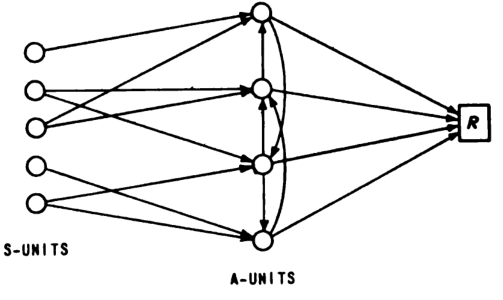
However, early models had limitations, and progress slowed for several decades in a period sometimes called the "AI winter." The field saw a major resurgence in the 2000s and 2010s, thanks to two key factors: the availability of massive amounts of data and the development of much more powerful computers. These ingredients allowed complex, multi-layered networks to be trained effectively, unlocking the potential we see today.
The Building Blocks
Neural networks are constructed from two basic components: neurons and layers.
Neuron
noun
A single processing unit in a neural network, also called a node. It receives inputs, performs a simple computation, and passes the result to other neurons.
You can think of a single artificial neuron like a dimmer switch for a light. It receives signals from other neurons (like someone turning the dial). If the combined strength of those signals crosses a certain threshold, the neuron "fires" and sends its own signal forward. If not, it stays quiet.
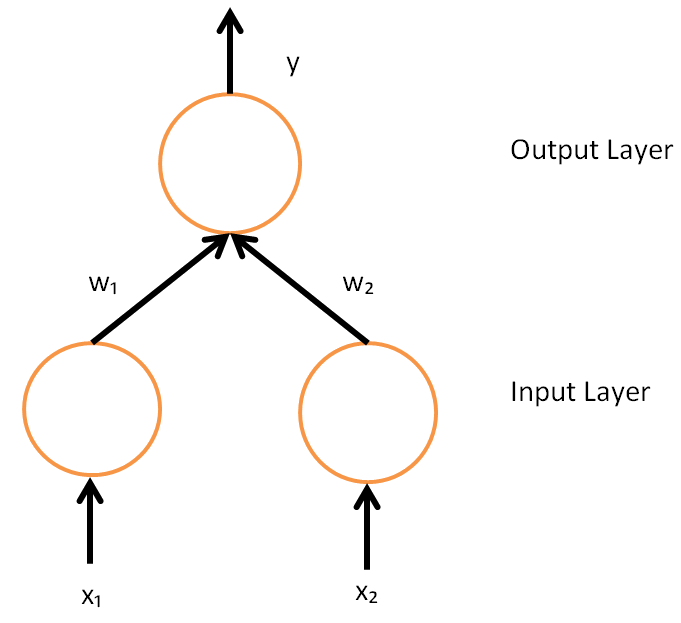
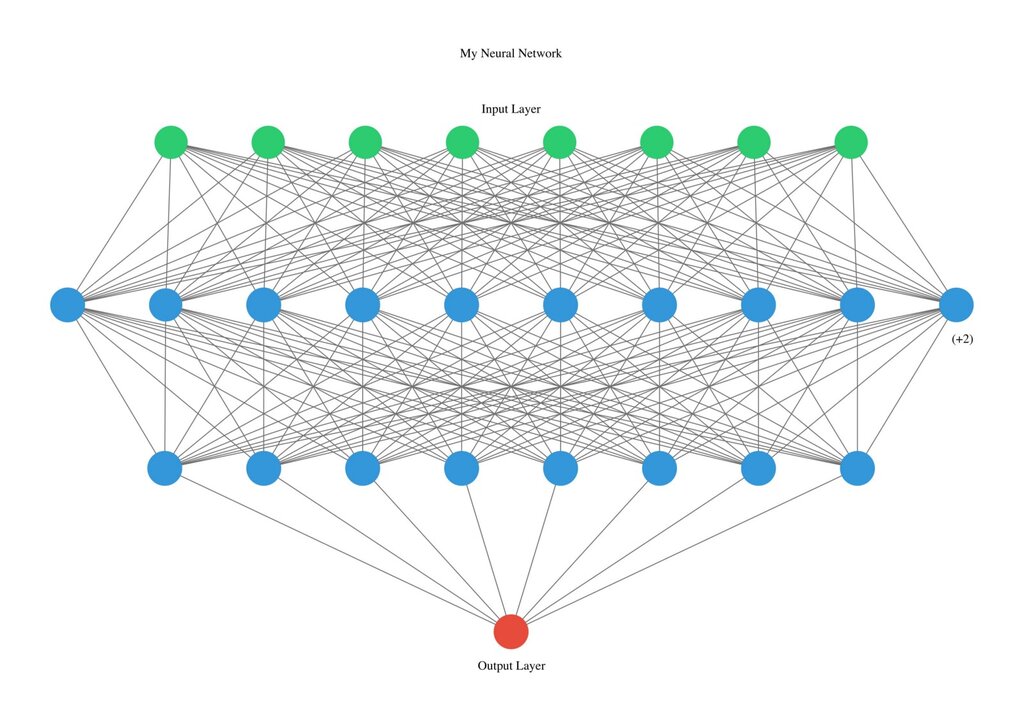
These individual neurons are organized into layers. A typical network has at least three types:
-
Input Layer: This is the network's front door. It receives the raw data you want to process, like the pixels of an image or the words in a sentence.
-
Hidden Layers: These are the layers between the input and output. There can be one or many (in "deep" learning, there are many). This is where the network does most of its work, finding patterns and transforming the data in useful ways.
-
Output Layer: This is the final layer that produces the result, such as a prediction or classification. For example, it might output a single value indicating whether an image contains a cat or a dog.
How Neural Networks Learn
Neural networks aren't explicitly programmed to perform a task. Instead, they learn from examples. This process is called training. Imagine teaching a toddler to recognize a car. You wouldn't list a set of rules. You'd just show them many different cars and say "car" each time.
The learning process is an iterative cycle of guessing, checking, and correcting.
The training process for a neural network follows a similar pattern:
-
Provide Data: The network is fed a large dataset where the correct answers are known. For example, thousands of images, each labeled as "cat" or "not a cat."
-
Make a Prediction: The network processes an image and makes a guess.
-
Calculate the Error: It then compares its guess to the correct label. The difference between the guess and the truth is the "error."
-
Adjust and Repeat: The network uses this error to make tiny adjustments to its internal connections. The goal is to make a slightly better guess on the next try.
This cycle is repeated millions or even billions of times. With each iteration, the network gets progressively better at its task, effectively learning the patterns that distinguish one type of data from another.
Now that you have a high-level view of what neural networks are, let's test your understanding.
What is the primary purpose of an artificial neural network?
Which two factors were most responsible for the major resurgence of neural networks in the 2000s and 2010s?
That covers the basic theory. These simple building blocks—neurons and layers—and this process of learning from data form the foundation of modern artificial intelligence.