Neural Implants Explained
Introduction to Neural Implants
A Direct Line to the Nervous System
A neural implant is a device that connects directly to the brain or other parts of the nervous system. Think of it as a bridge between technology and biology. Its goal is often to restore a function that has been lost, like hearing or movement. In other cases, it might be used to treat a neurological condition.
Neuroprosthesis
noun
An artificial device used to replace or improve the function of an impaired nervous system.
The idea isn't entirely new. For centuries, thinkers and scientists have been fascinated by how the nervous system works. Early explorations were crude, but they laid the groundwork. The first successful modern neural implants emerged in the mid-20th century, starting with devices like pacemakers, which regulate heart rhythm, and soon moving into the nervous system itself. These early successes proved that electronic devices could safely and effectively interact with human tissue for long periods.
The Core Components
While neural implants vary widely in design and purpose, they generally share a few key parts. The most critical component is the electrode array. This is the part that makes direct contact with neural tissue. Electrodes are tiny conductors that can either listen to the electrical chatter of neurons or deliver small, controlled electrical pulses to them.
These electrodes are connected to a small, sealed housing that contains the device's electronics. This is the implant's control center, processing signals coming from the brain or generating signals to stimulate it. Finally, the device needs a power source, which can be a long-lasting battery or a system that receives power wirelessly from outside the body.
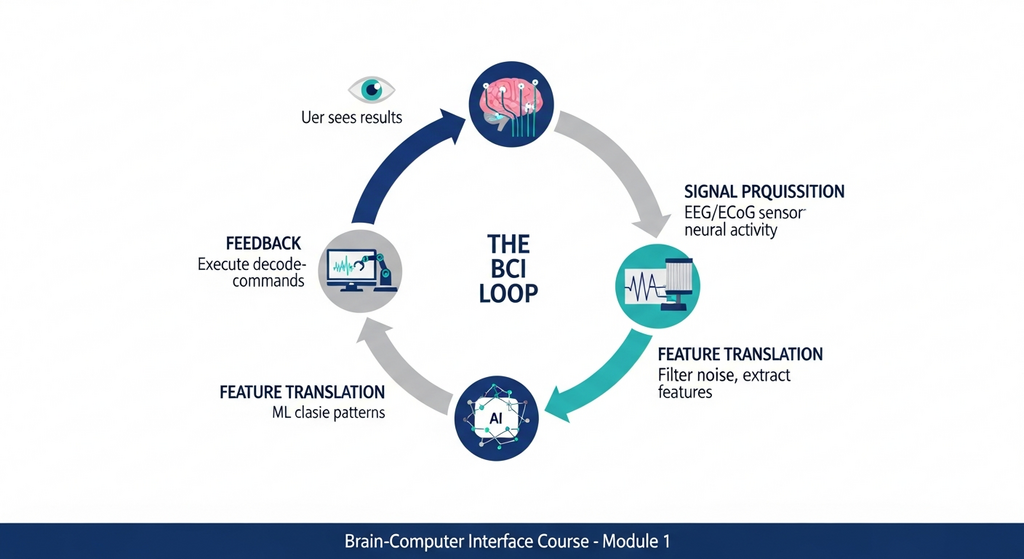
This setup creates a two-way street. The implant can record neural activity, essentially reading the brain's signals. It can also stimulate neurons, sending messages that influence their behavior. This dual capability is what makes neural implants so powerful.
A Family of Devices
Neural implants are not one-size-fits-all. They are a diverse family of technologies, each designed for a specific purpose. Here are a few key types:
Cochlear Implants: These devices bypass damaged parts of the inner ear to directly stimulate the auditory nerve, allowing people with profound hearing loss to perceive sound.
Deep Brain Stimulators (DBS): A DBS system sends continuous electrical pulses to specific areas deep within the brain. It's often compared to a pacemaker for the brain and is used to help manage the symptoms of conditions like Parkinson's disease by regulating abnormal brain activity.
Brain-Computer Interfaces (BCIs): BCIs are a broader category of devices that create a direct communication pathway between the brain and an external device, like a computer or a robotic limb. They can be used to translate thought into action, allowing someone who is paralyzed to control a prosthetic arm or type on a screen.
Each of these technologies opens a window into the nervous system, offering new ways to understand and interact with the very biological hardware that makes us who we are.