Networking Fundamentals
Introduction to Computer Networks
What is a Computer Network?
At its core, a computer network is simple: it’s a group of two or more devices connected together. Think of it like a conversation. For two people to talk, they need to be connected by sound waves. For two computers to talk, they need a connection to pass data back and forth.
The purpose is just as straightforward. Networks allow devices to share things. This could be an internet connection, a file, a printer, or access to a streaming service. Without networks, every device would be an isolated island, unable to communicate with the outside world.
Computer networking is the practice of connecting multiple computing devices—such as computers, servers, printers, and other hardware—to communicate and share resources.
Networks Big and Small
Networks come in all sizes, depending on the area they cover. The smallest is a Personal Area Network, or PAN. This is the network you create when you connect your phone to your wireless headphones with Bluetooth, or your laptop to a wireless mouse. It's a small bubble of connectivity just for your personal gadgets.
Next up is the Local Area Network, or LAN. This is likely the type of network you have at home or in your office. It connects devices within a limited area, like a single building. Your home Wi-Fi is a LAN that links your phone, laptop, and smart TV so they can all share one internet connection.
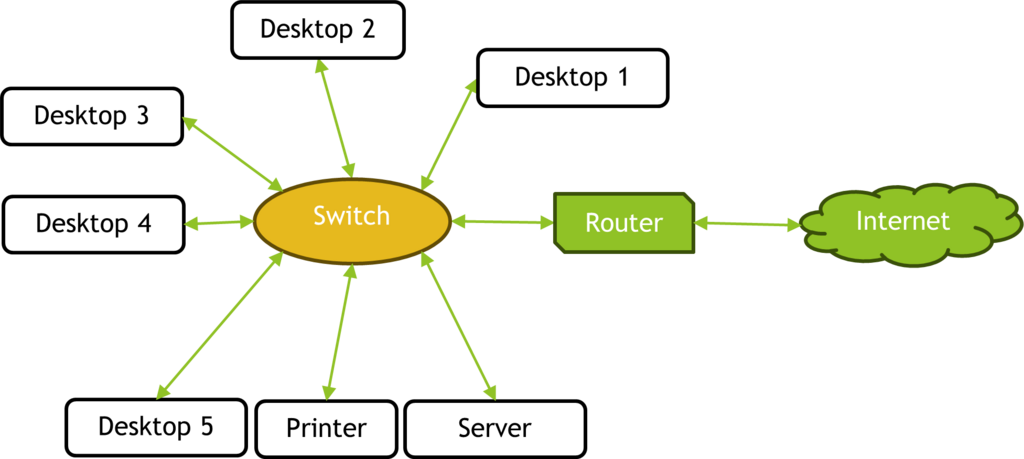
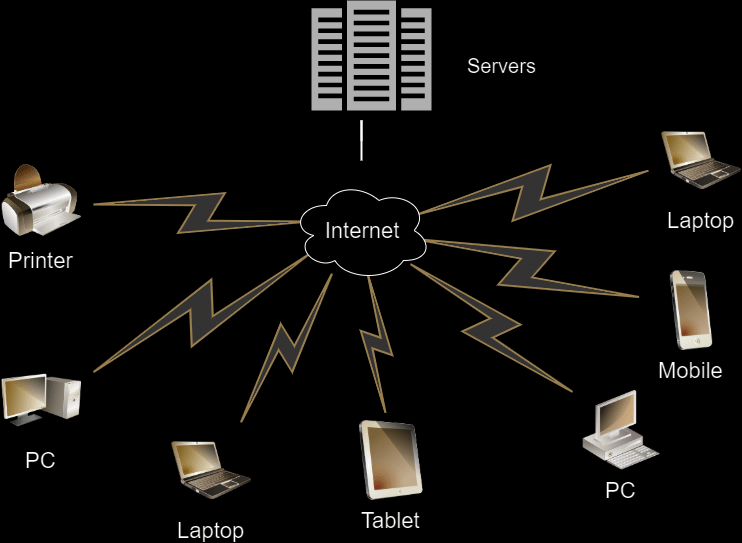
The biggest of them all is the Wide Area Network, or WAN. A WAN spans a large geographical area—think a city, a country, or even the entire globe. The most famous example of a WAN is the internet itself. It’s a massive network made up of countless smaller LANs all connected together.
How Devices Talk
Just connecting devices isn't enough; they need a structure for their conversations. This is where network architecture comes in. There are two main models for how devices interact on a network: client-server and peer-to-peer.
In a client-server model, one powerful computer, the server, holds all the important data or resources. Other devices, called clients, connect to this server to request information. When you visit a website, your computer (the client) is asking a web server for the webpage's data. This is a very organized system where the server is the central authority.
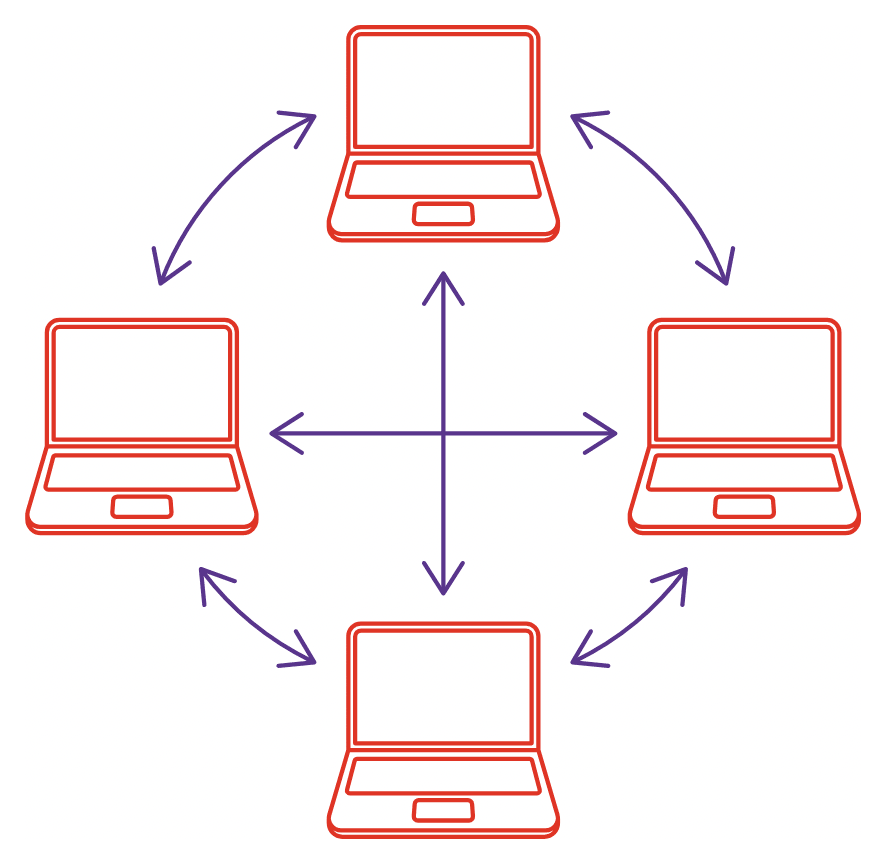
The other model is peer-to-peer (P2P). Here, every device is equal. There is no central server. Each computer, or peer, can share files and resources directly with any other computer on the network. Early file-sharing services were classic examples of P2P networks. This model is more decentralized, with every device acting as both a client and a server.
Both models have their uses. The client-server model is great for reliability and security, while the peer-to-peer model is resilient and doesn't rely on a single point of failure.
What is the primary purpose of a computer network?
Your home Wi-Fi, which connects your laptop, smart TV, and phone to the internet, is an example of what type of network?
Understanding these basic building blocks is the first step to seeing how our digital world is connected.