Networking Fundamentals
Introduction to Computer Networks
What Is a Computer Network?
At its core, a computer network is simply a group of devices connected together so they can share information. Think of it like a group of people in a room. If they can talk to each other, they form a communication network. Computers do the same thing, but instead of words, they exchange data.
The main purpose of a network is to make sharing easy. This could mean sharing a file with a coworker, using a single printer for an entire office, or accessing a website hosted on a server thousands of miles away.
Without networks, your computer would be an isolated island. You couldn't send an email, stream a movie, or even browse the web. The internet itself is just a massive, global network of other, smaller networks all connected.
A Quick Trip Through Time
Computer networking wasn't born overnight. It started in the 1960s with a U.S. government project called ARPANET. Its original goal was to create a communication system that could survive a military attack. By connecting computers at different universities and research labs, they built a resilient, decentralized network.
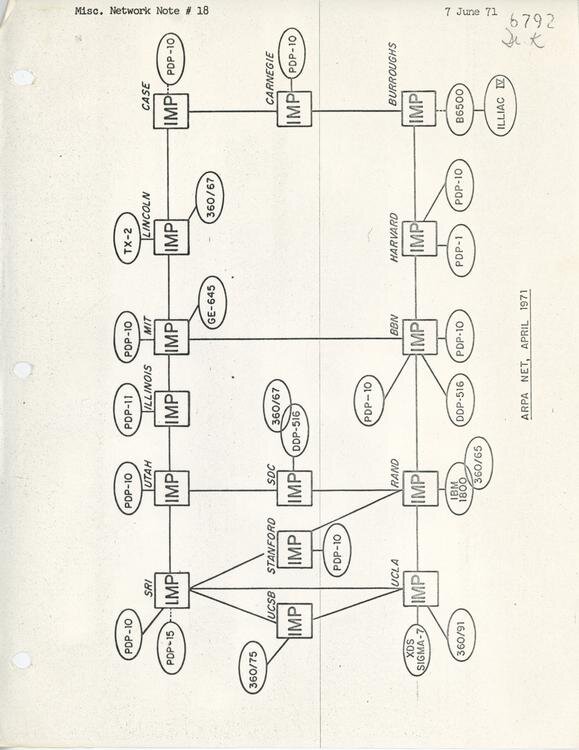
This early network laid the groundwork for many of the standards and protocols we still use today. What began as a small, exclusive network for researchers eventually grew and merged with other networks, evolving into the sprawling, public internet we know and use every day.
The Building Blocks
Every network, from the one in your home to the global internet, is built from a few key components. Let's look at the main players.
End Device
noun
Any device that is the source or destination of a message on a network. Also known as a host.
Next, we have devices that manage the flow of data within a network. The most common one is a switch. A switch acts like a smart traffic cop for a local network, like in your home or office. When a computer sends data, the switch makes sure it goes directly to the intended device, instead of shouting it out to everyone on the network. This keeps communication efficient and private.
But what about connecting different networks? That's the job of a router. A router is like an airport traffic controller for data. It sits at the gateway between networks and decides the best path for data to travel to reach its final destination, which might be on the other side of the world.
How Devices Talk
When your computer sends a photo to a friend, it doesn't send the whole file in one big chunk. Instead, it breaks the data down into small, manageable pieces called packets.
Each packet is like a tiny envelope. It contains a piece of the data, along with addressing information: where it's coming from and where it needs to go.
These packets travel independently across the network. They might even take different routes to get to the same destination. Once all the packets arrive, the receiving device reassembles them in the correct order to reconstruct the original file. This process of breaking down and rebuilding data is fundamental to how all modern networks operate. It's a robust system that ensures information can be sent reliably, even if parts of the network are slow or unavailable.
So, to recap, computer networks allow devices to communicate and share resources. They've evolved from small, specialized systems into the global internet, all built on the core components of end devices, switches, and routers that move data around in small packets.