Network State Contributor Outreach
Understanding Network State
What is a Network State?
A network state is a community built online, united by a shared purpose and governed using blockchain technology. Think of it as a nation-state, but started on the internet first, rather than on a patch of land. Instead of being defined by geographical borders, its citizens are connected by shared beliefs and a collective vision for the future.
This community starts as a digital group of people from anywhere in the world. They build a shared culture, develop an internal economy, and use digital tools to make collective decisions. The ultimate, long-term goal for many proponents is to eventually gain diplomatic recognition from existing governments, transforming the digital community into a sovereign entity with a presence in the physical world.
A network state is a social network with a moral innovation, a sense of national consciousness, a recognized founder, a capacity for collective action, an in-person level of civility, an integrated cryptocurrency, a consensual government limited by a social smart contract, an archipelago of crowdfunded physical territories, a virtual capital, and an on-chain census that proves a large enough population, income, and real-estate footprint to attain a measure of diplomatic recognition.
Objectives and Significance
So, why create a network state? The primary objective is to build new forms of governance that are more transparent, voluntary, and aligned with the values of their members. In a world where digital interaction is central to our lives, network states offer a way to organize societies around shared principles rather than just shared geography.
This model is significant because it allows for rapid experimentation with social and economic systems. Communities can form around specific goals, like advancing longevity research, promoting open-source software, or creating new artistic movements. By using a blockchain, they can manage funds, vote on proposals, and maintain a transparent record of their collective history and decisions, all without relying on traditional intermediaries like banks or governments.
This fosters a strong sense of autonomy. Members actively choose to join and participate, creating a highly motivated and aligned community. It's a shift from the passive citizenship of many traditional nations to an active, opt-in model of belonging.
The Role in Digital Communities
Network states provide a powerful framework for digital communities to evolve. Many online groups already have strong identities and shared goals, from gaming guilds to fan communities. The network state concept gives them a roadmap to formalize their structure, build a sustainable economy, and exercise genuine self-governance.
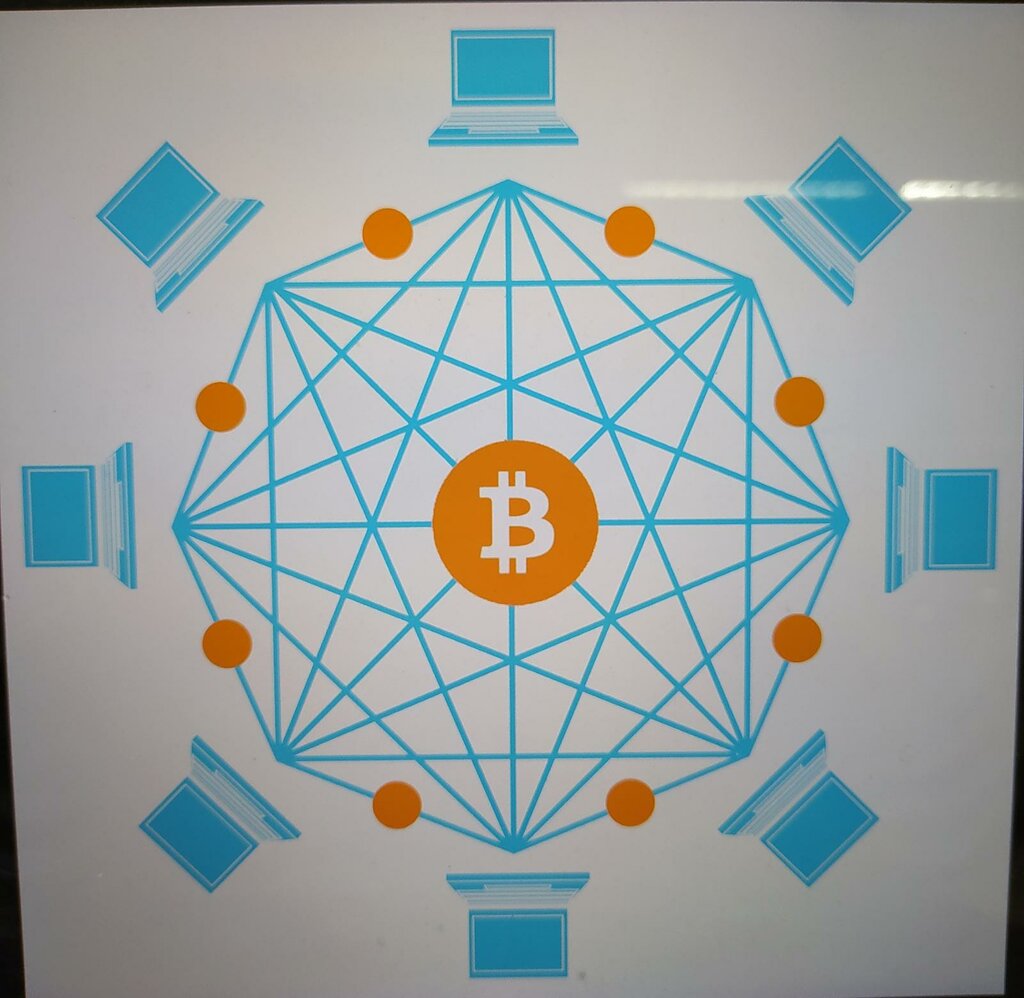
At its most basic level, a blockchain is a digital ledger maintained by a decentralized network of computers.
By leveraging this technology, a community can create its own rules, issue its own digital assets or currency, and manage collective resources transparently. This transforms a loose collection of individuals into a cohesive and empowered entity, capable of making a real-world impact. It's about turning shared digital space into a shared political and economic reality.
Let's check your understanding of these new concepts.
What is the defining characteristic of a network state that distinguishes it from a traditional nation-state?
The long-term goal for many network states is to eventually gain diplomatic recognition and become a sovereign entity.
The idea of a network state is a bold reimagining of how societies can form and function in the digital age, prioritizing voluntary association and shared purpose over geographical proximity.