Network Security Fundamentals
Introduction to Network Security
What Is Network Security?
Network security is the practice of protecting computer networks and the information they carry. Think of it like securing your home. You lock the doors and windows to keep intruders out and protect your belongings. In the digital world, network security does the same thing, but for your data.
Every time you send an email, visit a website, or stream a video, your device is communicating over a network. These networks can be private, like your home Wi-Fi, or public, like the internet. Network security involves all the strategies and tools used to prevent unauthorized access, theft, or damage to these networks and the information traveling through them.
Network security refers to the strategies and measures taken to protect computer networks from unauthorized access, misuse, or data breaches.
Without security measures, sensitive information like bank details, private messages, and business secrets would be exposed and vulnerable. The goal is to create a safe environment where information can be shared and accessed without fear of it falling into the wrong hands.
The Core Objectives
Network security is built on three fundamental principles, often called the CIA triad. This isn't about spies and intelligence agencies; it's a model for thinking about information security.
Let's break down what each of these means.
Confidentiality is about privacy. It ensures that data is accessible only to authorized users. Think of it like a sealed envelope. Only the intended recipient should be able to open it and read the letter inside. Encryption is a common tool used to maintain confidentiality.
Integrity means keeping data accurate and trustworthy. It ensures that information has not been altered or tampered with in transit. Imagine checking your bank account balance. You need to trust that the number you see is correct and hasn't been changed by someone else. Integrity measures protect data from unauthorized modification.
Availability ensures that networks and systems are up and running when you need them. If a website is down or you can't access your files, the service isn't available. This principle is about making sure that information and resources are accessible to authorized users whenever they need them.
Together, confidentiality, integrity, and availability form the bedrock of a secure network.
Common Threats to Guard Against
A threat is any potential danger that could harm a computer network. While the list of threats is long and always evolving, most fall into a few general categories. Understanding these helps clarify what network security is designed to prevent.
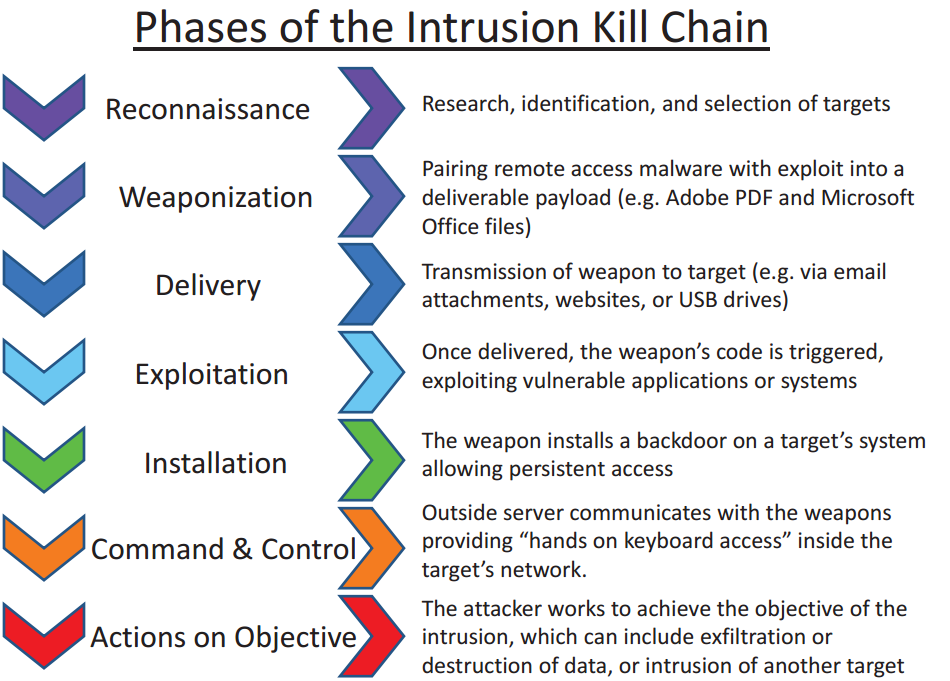
Unauthorized Access This is when someone gains access to a system or network without permission. It's the digital equivalent of a burglar breaking into a house. Attackers might try to steal data, install malicious software, or just look around.
Data Breaches A data breach is an incident where sensitive or confidential information is copied, transmitted, or stolen from a system without authorization. This can happen through a direct attack or accidentally, like an employee losing a company laptop.
Cyberattacks This is a broad term for any deliberate attempt to disrupt, disable, or damage a computer network or system. A common example is a Denial-of-Service (DoS) attack, where attackers flood a website with so much traffic that it becomes overwhelmed and crashes, making it unavailable to legitimate users.
Now that you have a grasp of the basic goals and threats in network security, let's test your knowledge.
What is the primary goal of network security?
Which principle of the CIA triad ensures that data is accessible only to authorized users, similar to a sealed envelope?
Protecting a network is an ongoing process of identifying risks and putting up defenses. It's a foundational part of how our digital world functions safely.