Network Penetration Testing Essentials
Introduction to Network Penetration Testing
What is Penetration Testing?
Think of a penetration test, or pen test, as a controlled fire drill for your digital security. You hire a trusted professional to simulate a cyberattack on your computer network. Their goal is to find security weaknesses before a real attacker does. It's a proactive way to see how your defenses hold up against a skilled adversary.
Penetration testing, often referred to as pen testing, is a simulated cyberattack against a system, network, or application to identify vulnerabilities that could be exploited by malicious actors.
The purpose isn't just to find flaws. It's to understand the potential business impact of those flaws. A pen tester demonstrates how a vulnerability could be exploited to access sensitive data, disrupt operations, or cause financial damage. This helps organizations prioritize fixes and strengthen their overall security posture.
The Rules of Engagement
Penetration testing operates within a strict ethical and legal framework. This is what separates a pen tester from a malicious hacker. Every test is performed with explicit, written permission from the organization being tested. Without this authorization, the activity is illegal.
Before any testing begins, both parties agree on a "scope." This is a formal document that acts as the rulebook for the engagement. It defines exactly which systems can be tested, what methods are allowed, and the timeframe for the test. The scope ensures that the test focuses on the organization's biggest concerns and avoids disrupting critical business operations.
A core principle is to "do no harm." The objective is to identify risks without causing actual damage to the systems or data.
A Structured Approach
Effective penetration testing isn't a chaotic free-for-all. It's a methodical process that follows a structured plan. This ensures the assessment is thorough, repeatable, and provides consistent results.
A well-defined penetration testing methodology in cybersecurity keeps these assessments structured and effective.
These methodologies break the process down into distinct phases. While specific models vary, they generally follow a logical progression from planning to reporting.
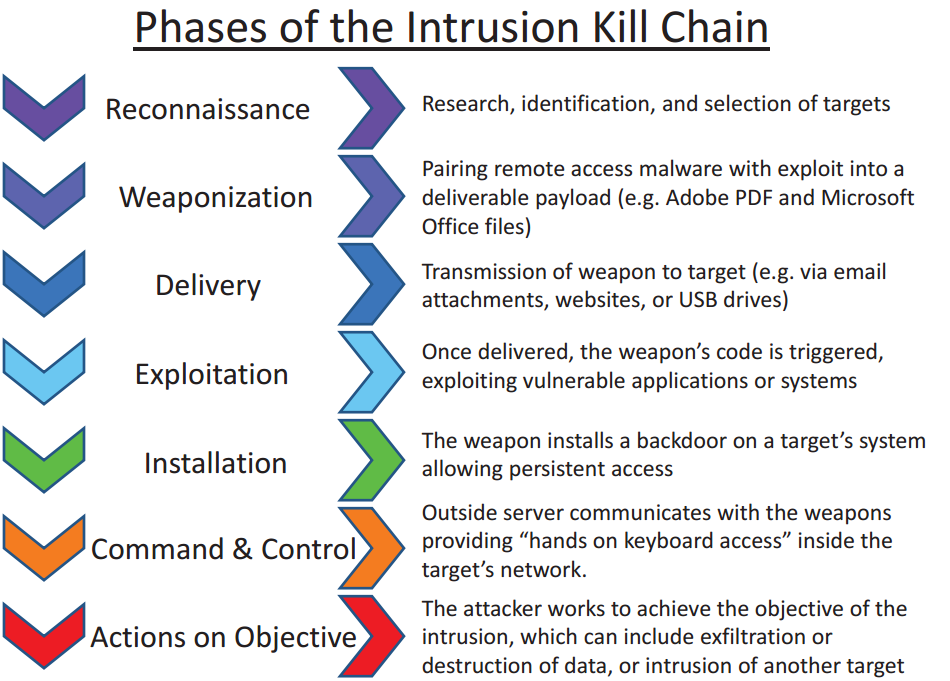
The typical lifecycle of a penetration test includes:
- Planning and Scoping: Defining the goals, rules, and scope of the test.
- Information Gathering (Reconnaissance): Collecting preliminary data about the target network to identify potential points of entry.
- Scanning and Discovery: Actively probing the target systems to find open doors and potential vulnerabilities.
- Exploitation (Gaining Access): Attempting to bypass security controls and exploit the vulnerabilities discovered.
- Maintaining Access & Analysis: Seeing how deep into the network an attacker could get and what data they could access.
- Reporting and Remediation: Documenting all findings, explaining the risks, and providing recommendations for fixing the issues.
This structured lifecycle ensures that the organization receives a clear, actionable report that they can use to make meaningful security improvements.
Ready to check your understanding? This quiz covers the core ideas of penetration testing.
What is the primary purpose of a penetration test?
In a penetration test, the formal document that defines the rules of engagement, including which systems can be tested and what methods are allowed, is called the ________.
Understanding these fundamentals provides the foundation for exploring the specific tools and techniques used in network security.