NetSuite for Accounting Professionals
Introduction to NetSuite ERP
What Is an ERP?
Many businesses start with different software for different jobs. Sales might use one tool to track customers, the warehouse uses another for inventory, and the finance team has its own accounting software. It works for a while, but soon, information gets stuck in silos. It’s like a band where the drummer, guitarist, and singer are all playing different songs. The result is confusion, not music.
Enterprise Resource Planning (ERP) systems solve this problem. An ERP integrates all these separate functions into a single, unified system. It creates one source of truth for the entire company, allowing different departments to work together seamlessly using the same data. This makes everything from managing customer orders to tracking inventory and balancing the books much more efficient.
Enterprise Resource Planning (ERP) systems have become the backbone of modern municipal operations, integrating finance, human resources, procurement, and other critical functions into a unified platform.
Think of it as the central nervous system of a business. Information flows freely between all parts of the organization, enabling better communication, smarter decisions, and smoother operations.
NetSuite in the Cloud
NetSuite is a popular ERP system with one key difference: it was built from the ground up to operate entirely in the cloud. This means you don't need to install any software on your own computers or manage expensive servers in your office. All you need is a web browser and an internet connection to access the entire system.
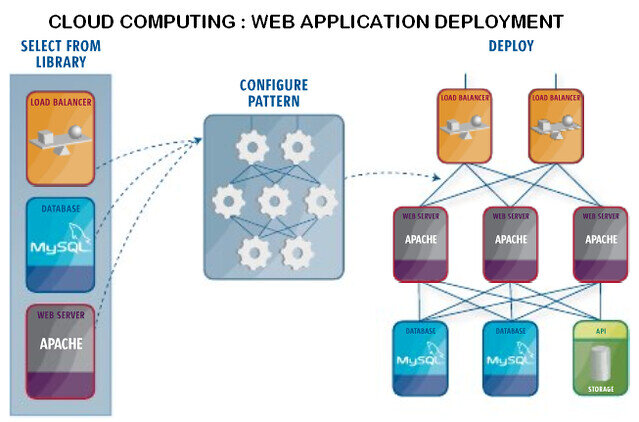
This cloud-based architecture offers several advantages. First, it’s accessible from anywhere. You can check sales figures, approve purchase orders, or view inventory levels whether you’re at your desk, at home, or on the road. Second, it's scalable. As your business grows, NetSuite can grow with you without requiring a massive investment in new hardware. Finally, the provider, Oracle NetSuite, handles all the updates, maintenance, and security, freeing up your team to focus on running the business.
The Core Components
NetSuite is modular, meaning it's made up of different components, or modules, that handle specific business functions. While companies can choose the modules that fit their needs, most implementations revolve around a few core areas.
These interconnected modules ensure that an action in one area automatically updates information everywhere else. For example:
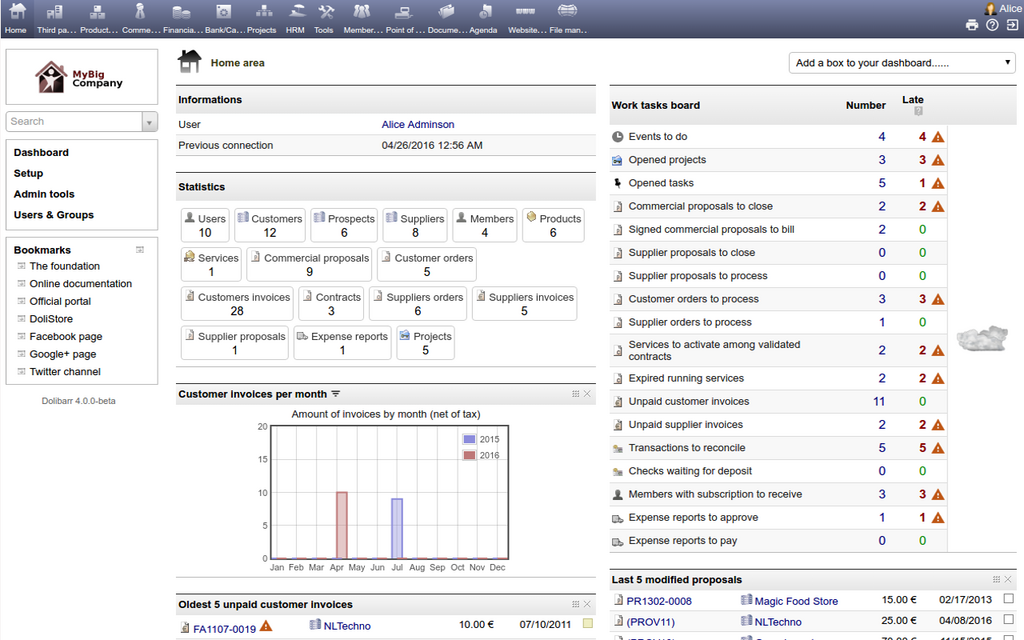
When a salesperson closes a deal in the CRM module, it automatically creates a sales order, which alerts the warehouse to ship the product and tells the finance team to send an invoice. The inventory levels are updated in real-time for everyone to see.
This level of integration eliminates manual data entry, reduces errors, and gives everyone a complete, up-to-date view of the business. It allows leaders to see how sales trends are impacting inventory and how inventory levels affect cash flow, all from a single dashboard.
Now that you have a grasp of the core concepts, let's test your knowledge.
What is the primary problem that Enterprise Resource Planning (ERP) systems are designed to solve?
The text compares an ERP system to a business's 'central nervous system.' What does this analogy primarily emphasize?
By consolidating business processes onto a single platform, NetSuite provides a powerful tool for companies looking to operate more efficiently and make more informed decisions.