NETA 2 Exam Preparation
Electrical Safety
Safety First, Always
Working with electricity demands respect. It's not just about getting the job done; it's about getting it done without anyone getting hurt. That’s why strict safety standards exist. In the United States, two main organizations set the rules for electrical safety in the workplace: the Occupational Safety and Health Administration (OSHA) and the National Fire Protection Association (NFPA).
The Rulebooks: OSHA and NFPA 70E
Think of OSHA as the law of the land for workplace safety. It's a government agency that sets and enforces standards to ensure safe conditions for workers. OSHA's rules are mandatory. They cover a wide range of safety topics, including the fundamental requirements for electrical safety.
The NFPA is a nonprofit organization focused on preventing fire and other hazards. Their standard, NFPA 70E, is the go-to guide for electrical safety in the workplace. While OSHA tells you what you must do to be safe, NFPA 70E tells you how to do it. It provides detailed, practical guidance on everything from risk assessment to selecting the right protective gear.
Many employers adopt NFPA 70E as their safety policy, and OSHA often refers to it as a recognized industry standard for best practices.
| Standard | Primary Focus | Legal Status |
|---|---|---|
| OSHA | Broad workplace safety, including electrical basics. | Federal Law (Mandatory) |
| NFPA 70E | Detailed, specific electrical safety practices. | Consensus Standard (Often Adopted) |
Spotting the Danger
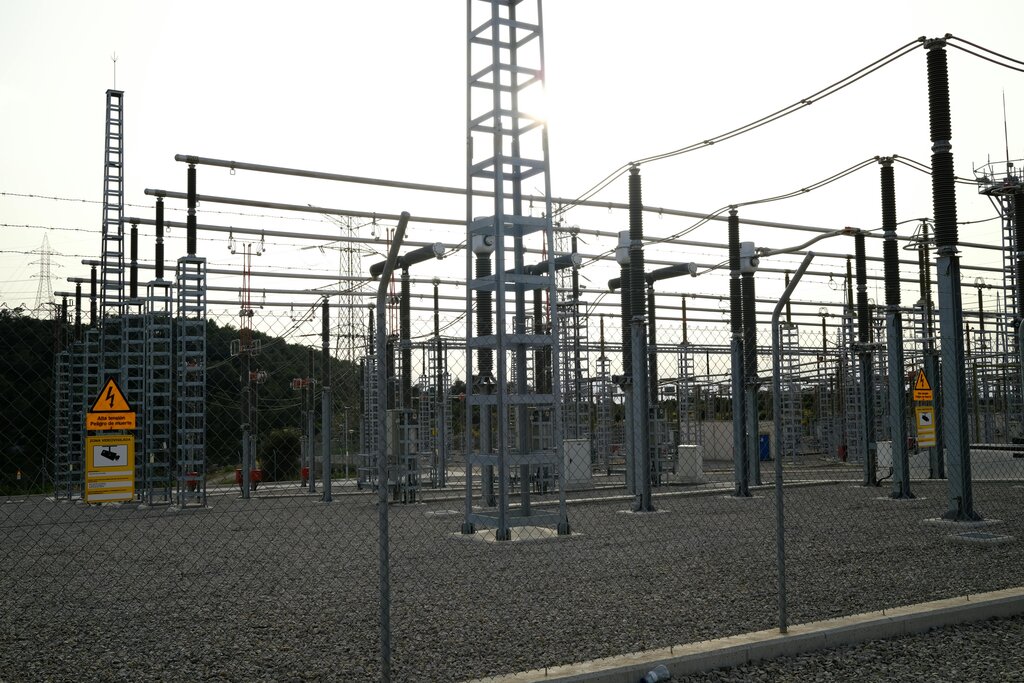
Before you can protect yourself, you need to know what you're up against. Identifying electrical hazards is a critical first step. Common dangers include exposed live parts like frayed wires or open electrical panels, overloaded outlets and circuits, and improper grounding. A missing ground prong on a plug might seem minor, but it defeats a crucial safety feature.
Water is another major red flag. Never operate electrical equipment in wet or damp conditions, as water dramatically lowers the body's resistance to electric shock. Always be aware of your surroundings and look for these warning signs before starting any work.
Your Personal Armor
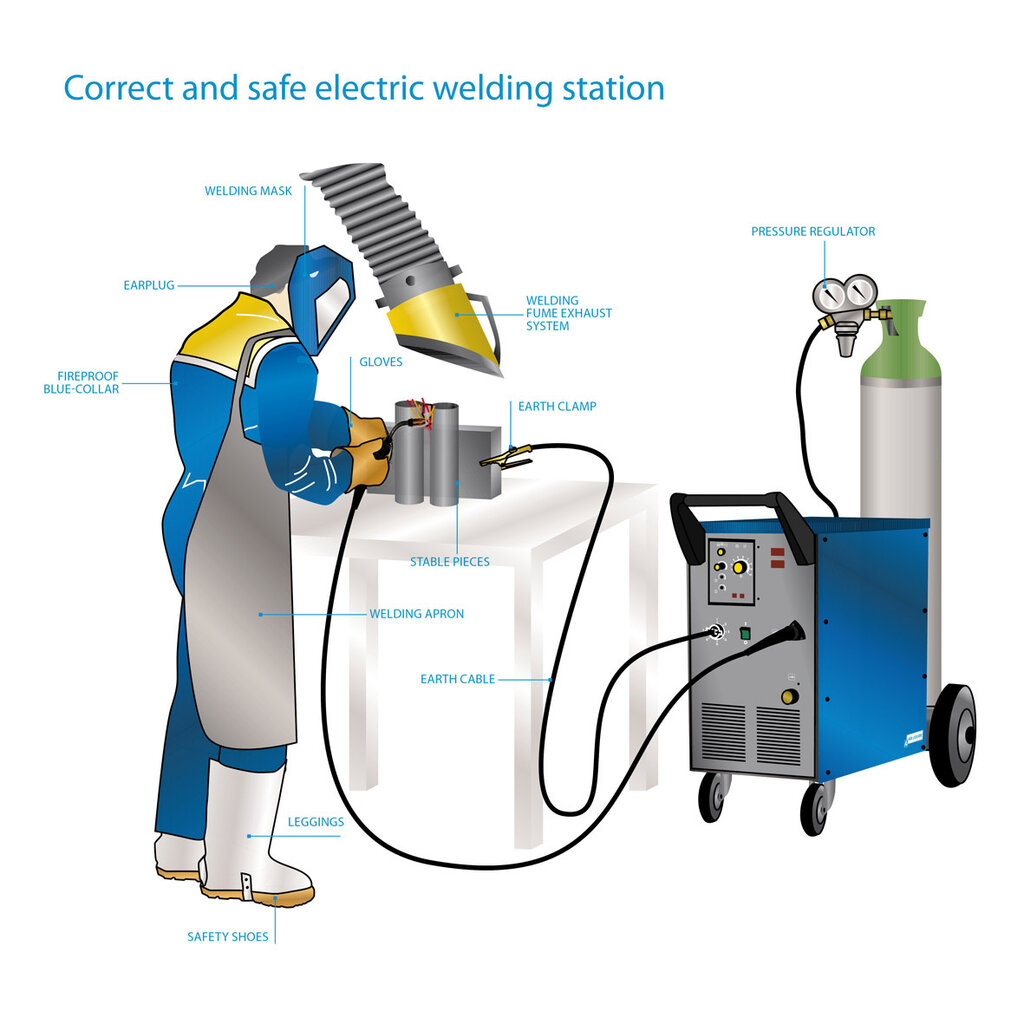
Personal Protective Equipment, or PPE, is your last line of defense against electrical hazards. It doesn't prevent an accident, but it can significantly reduce the severity of an injury if something goes wrong. The type of PPE you need depends on the specific task and the level of risk involved. This is determined through a hazard analysis, a key component of the NFPA 70E standard.
Basic PPE for electrical work often includes safety glasses, insulated gloves, and leather protectors. For higher-risk jobs, you might need arc-rated clothing, which is specially designed to resist the intense heat of an arc flash, along with a full face shield or hood.
Lockout/Tagout
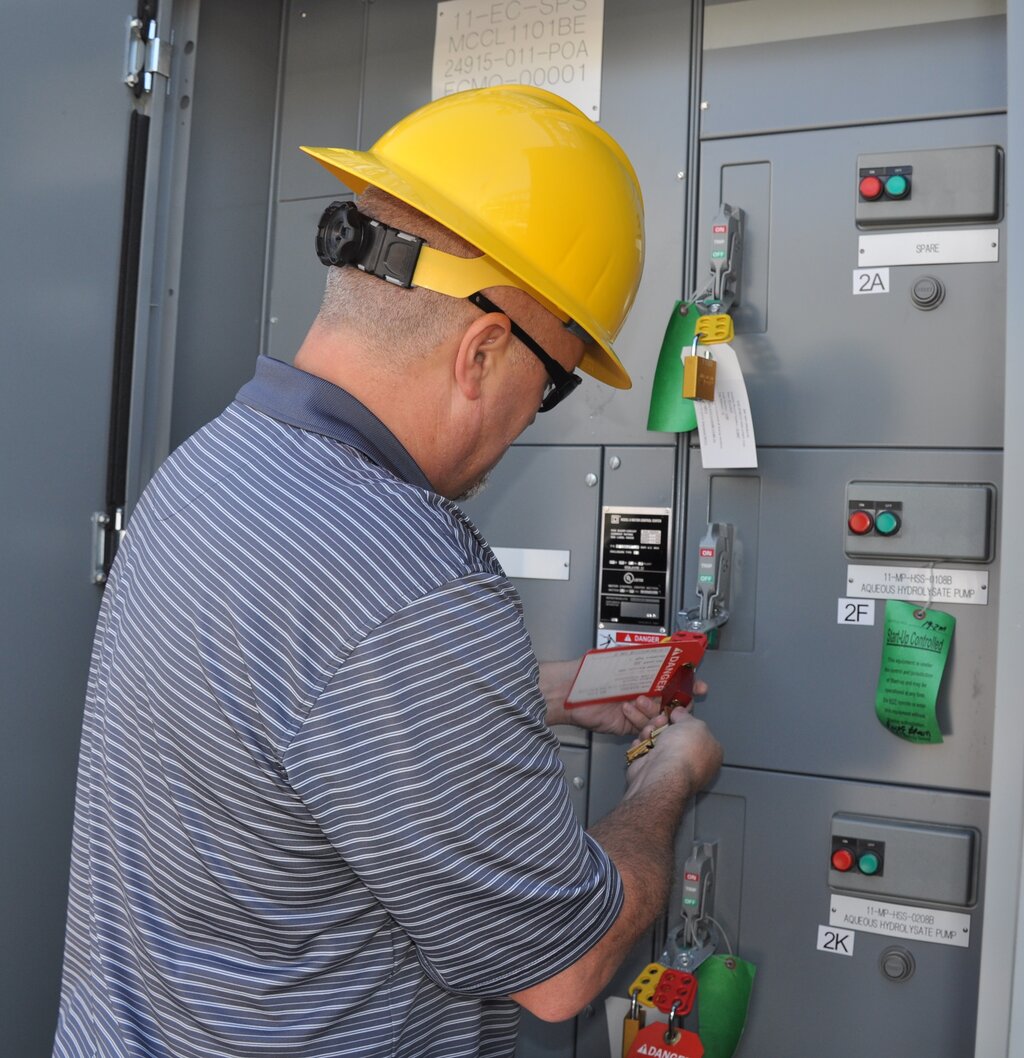
The single most effective way to prevent electrical shock is to de-energize the equipment before you work on it. This is where Lockout/Tagout (LOTO) procedures come in. LOTO is a formal process designed to ensure that dangerous equipment is properly shut off and not started up again until the work is completed.
The procedure is simple but vital. First, the circuit is de-energized. Then, a lock is placed on the energy-isolating device, such as a circuit breaker, so it can't be turned back on. A tag is attached to the lock, identifying who is working on the equipment. The only person who can remove the lock and tag is the person who put it on.
Only the person who applied a lock is authorized to remove it. This simple rule prevents accidental re-energization and saves lives.
Time to check your understanding of these critical safety concepts.
Which statement best describes the relationship between OSHA and NFPA 70E?
According to safe work practices, what is the single most effective way to prevent electrical shock when working on equipment?
Understanding these safety rules isn't just about passing a test; it's about creating a safe work environment for yourself and everyone around you.