Nestorianism A Protestant View
Introduction to Christology
Who Is Jesus Christ?
From the very beginning, followers of Jesus have wrestled with a profound question: Who, exactly, was he? They saw him as a man who lived, ate, and died in first-century Judea. Yet they also believed he was God. This created a theological puzzle that took centuries to solve.
Christology
noun
The branch of Christian theology that studies the nature, person, and work of Jesus Christ.
How could one individual be both fully human and fully divine? Was he a man who became God? A god who only appeared to be human? Or something else entirely? To answer these questions, early Christian thinkers had to borrow some precise language from Greek philosophy. Two words were especially important: 'nature' and 'person'.
One Person, Two Natures
In this context, 'nature' answers the question, "What is it?" It refers to the fundamental essence or substance of a thing. A rock has a rocky nature. A human has a human nature. 'Person' answers the question, "Who is it?" It refers to an individual, a distinct subject with self-awareness.
Think of it this way: You have a human nature. It's the 'what' that makes you human. But you are a unique 'who'—a person.
Applying this to Jesus, early Christians concluded that he possessed two complete natures. He had a divine nature, sharing the same essence as God the Father. He also had a human nature, just like ours in every way except for sin. These two natures, however, did not belong to two different individuals. They were united in a single person.
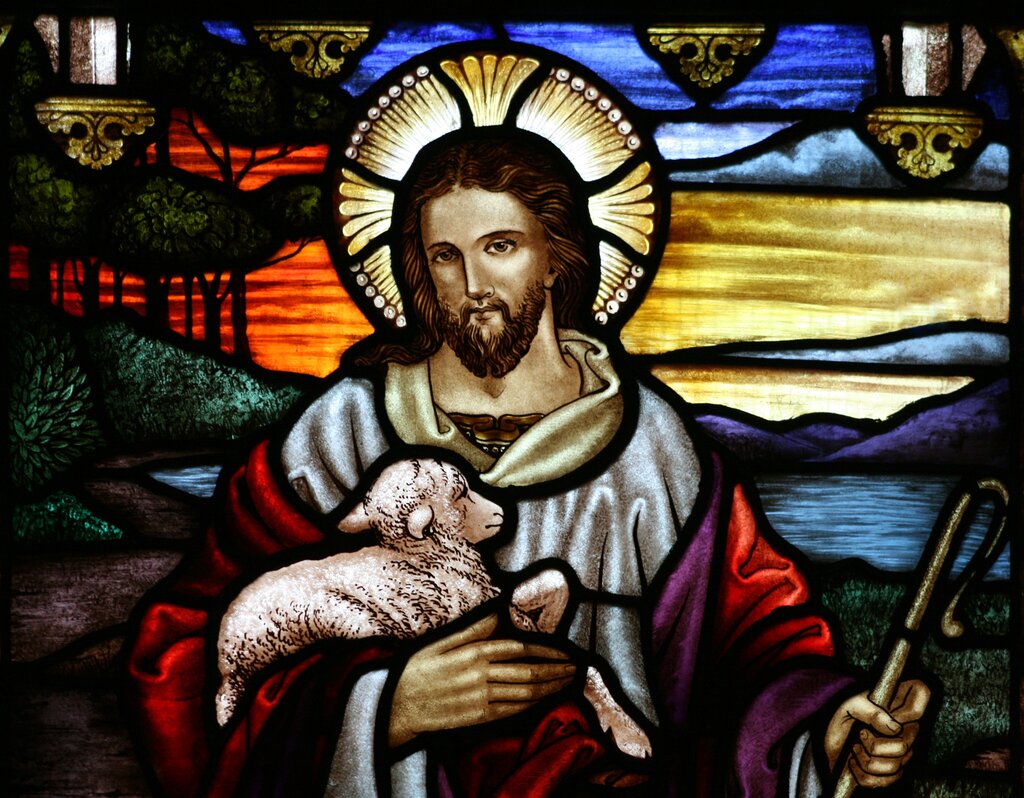
The Hypostatic Union
The doctrine that describes this union is called the hypostatic union. The term comes from the Greek word hypostasis (ὑπόστασις), which means 'person' or 'individual subsistence'. It's the technical term for the belief that in Jesus Christ, two natures—one divine and one human—are perfectly united in one person.
hypostatic union
noun
The combination of divine and human natures in the single person of Christ.
This wasn't a quick or easy conclusion. The first few centuries of the church were filled with intense debate. The First Council of Nicaea in 325 CE was a major milestone. Church leaders gathered to affirm that Jesus was fully divine, not a created being. They declared he was homoousios (ὁμοούσιος), or 'of the same substance' as the Father.
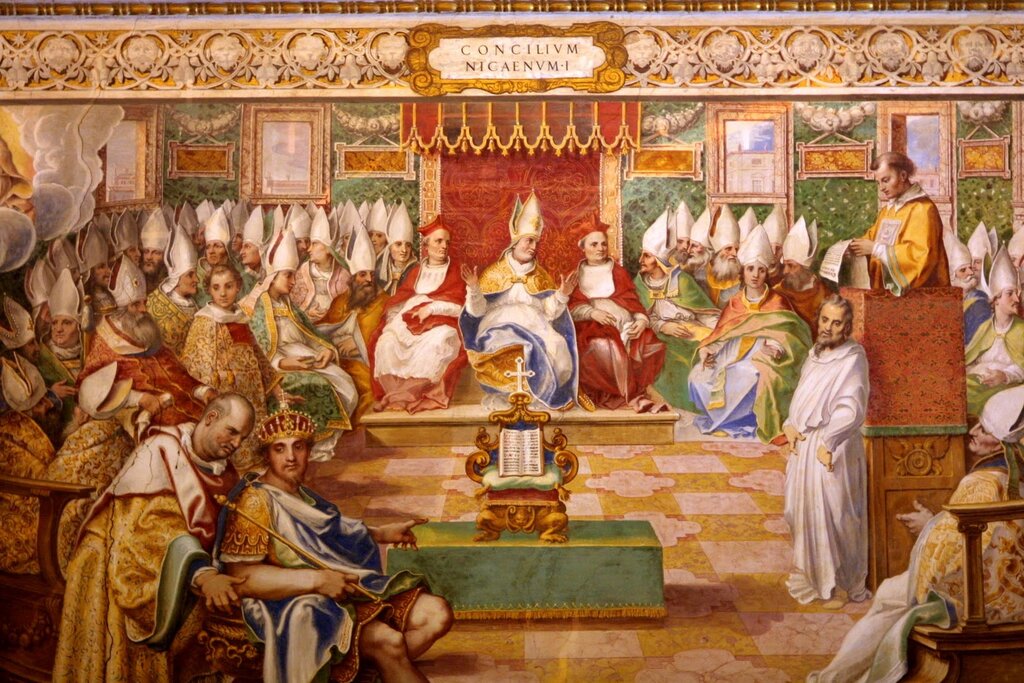
But that council focused mainly on his divinity. The precise relationship between his divine and human natures continued to be debated. This set the stage for further councils in the 5th century, like the Council of Ephesus in 431, which sought to clarify exactly how divinity and humanity coexisted in the one person of Jesus Christ. Understanding these foundational ideas is key to seeing what later controversies were all about.