Nepal's Travel Industry
Introduction to Nepal's Tourism Industry
A Kingdom Opened
For centuries, Nepal was a secluded kingdom, intentionally isolated from the outside world. This changed dramatically in the 1950s. The country opened its borders to foreigners, and a pivotal event soon captured global attention: the first successful ascent of Mount Everest in 1953 by Sir Edmund Hillary and Tenzing Norgay. This achievement put Nepal on the world map, not just as a country, but as the ultimate destination for mountaineering.
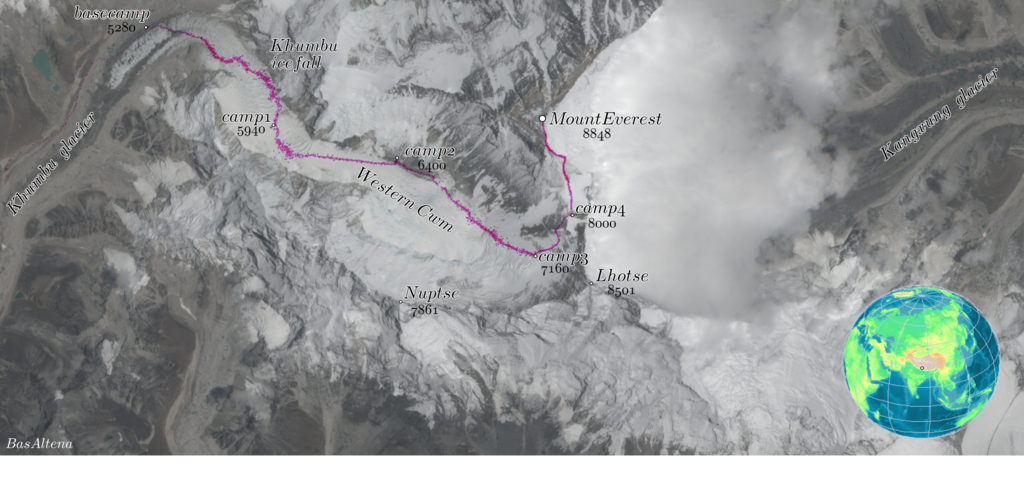
Suddenly, adventurers and explorers were eager to see the Himalayas for themselves. What began as a trickle of mountaineers and trekkers slowly blossomed into a foundational industry. The government began issuing tourist visas, and small-scale tourism infrastructure started to develop in Kathmandu and the Everest region.
Tourism by the Numbers
From those early days, tourism has grown into a vital pillar of Nepal's economy. It's a major source of foreign currency and provides jobs for hundreds of thousands of people, from city hotel managers to rural mountain guides. The growth in visitor numbers over the decades tells a clear story.
| Year | Tourist Arrivals (Approx.) | Revenue (USD) |
|---|---|---|
| 1962 | 6,000 | N/A |
| 1980 | 162,000 | $64 million |
| 2000 | 463,000 | $167 million |
| 2019 | 1.2 million | $724 million |
This data shows a steady increase in both arrivals and revenue, highlighting the sector's expanding importance. While global events can cause temporary dips, the long-term trend has been one of consistent growth, cementing tourism's role in the national economy.
More Than Mountains
While the Himalayas are the main draw, Nepal's appeal is incredibly diverse. The country offers a unique blend of natural beauty, ancient culture, and thrilling activities.
The number one attraction is, of course, the mountains. Eight of the world's ten highest peaks are in Nepal, making it a global hub for trekking and mountaineering. Trails like the Everest Base Camp Trek and the Annapurna Circuit are legendary, offering breathtaking scenery and a glimpse into the resilient cultures of the Sherpa and Gurung peoples.
Beyond the peaks, Nepal is a treasure trove of cultural heritage. The Kathmandu Valley alone has seven UNESCO World Heritage sites, packed with ancient temples, palaces, and stupas. Cities like Kathmandu, Patan, and Bhaktapur feel like living museums, where centuries-old traditions are still a part of daily life. Lumbini, the birthplace of Lord Buddha, is another major pilgrimage site that draws visitors from all over the world.
For adrenaline seekers, adventure tourism goes far beyond hiking. The country's steep canyons and rushing rivers are perfect for activities like bungee jumping, paragliding, and whitewater rafting, offering a different way to experience Nepal's dramatic landscapes.
From serene spiritual journeys to high-octane adventures, Nepal offers a remarkably broad range of experiences within a relatively small area.
Now, let's check your understanding of Nepal's tourism landscape.
What pivotal event in 1953 put Nepal on the world map as a major destination for mountaineering?
According to the text, what is the primary economic significance of tourism for Nepal?
This combination of high mountains, deep-rooted culture, and adventure is what makes Nepal a truly unique travel destination.