Nelson Mandela's Fight for Freedom
Early Life
A Royal Beginning
Nelson Mandela was born Rolihlahla Mandela on July 18, 1918, in the small village of Mvezo in the Eastern Cape of South Africa. His father, Gadla Henry Mphakanyiswa Mandela, was a chief and a respected counselor to the monarch of the Thembu people. The name Rolihlahla, given by his father, colloquially means "troublemaker."
After his father's death when he was about nine years old, Mandela was sent to live in Qunu and later Mqhekezweni, the provincial capital of Thembuland. He was placed under the guardianship of Chief Jongintaba Dalindyebo, the acting regent of the Thembu people. This move plunged him into the heart of Thembu royalty and culture.
Living in the regent's household, Mandela was raised as a son alongside the regent's own child, Justice. He was groomed for a leadership role, listening to tribal elders discuss matters of importance and learning the history and values of his people.
This upbringing gave him a strong sense of African identity and a deep understanding of traditional governance and consensus-based decision-making. These early lessons in leadership and responsibility would prove foundational for the rest of his life.
A Western Education
Mandela was the first in his family to attend school. On his first day, his teacher at the local mission school gave him the English name "Nelson," a common practice at the time. This was the beginning of a long journey through the Western educational system.
His guardian, the regent, ensured he received the best education possible. He was sent to Clarkebury Boarding Institute, a Methodist mission school, and then to Healdtown, a prestigious Wesleyan college. At these institutions, he was introduced to English language, literature, and Western history, which broadened his perspective beyond his traditional upbringing. He excelled in sports like boxing and running.
University and Awakening
In 1939, Mandela enrolled at the University College of Fort Hare, the only residential center of higher learning for Black Africans in South Africa at the time. It was an elite institution that produced many of the era's future leaders. Here, he began to study law.
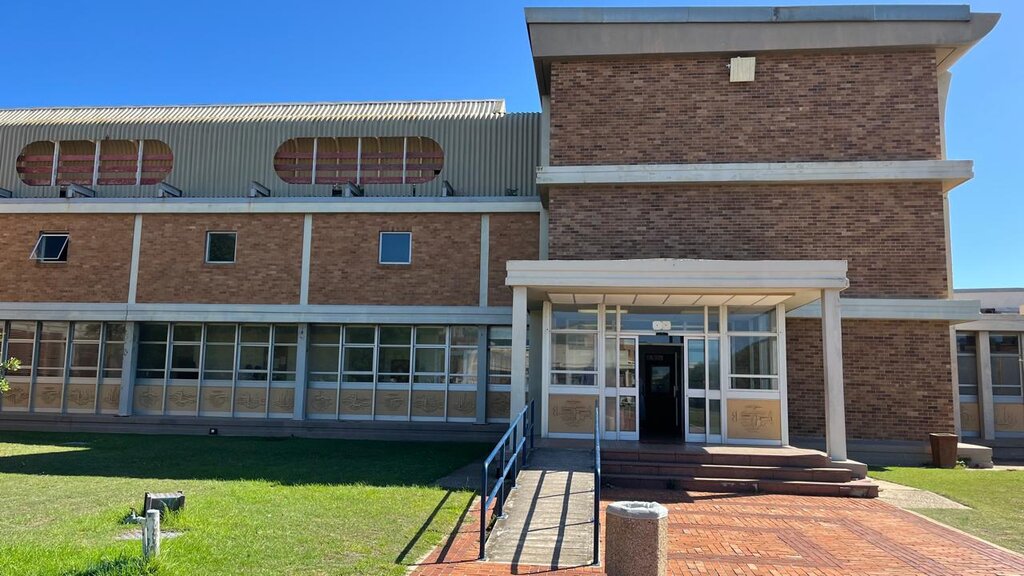
At Fort Hare, Mandela's political consciousness began to stir. He became involved in student politics, joining the Students' Representative Council (SRC). His time there was cut short, however. In 1940, he and his friend Oliver Tambo were expelled for participating in a student protest against the university's policies.
To avoid an arranged marriage organized by the regent, Mandela fled to Johannesburg. There, he completed his bachelor's degree through correspondence with the University of South Africa and began studying law at the University of the Witwatersrand. It was in the bustling, segregated city of Johannesburg that his early experiences would coalesce into a firm commitment to political action, setting the stage for his life's work.