Negotiation Mastery Practice
Negotiation Fundamentals
What is Negotiation?
Negotiation is a conversation aimed at reaching an agreement. It's not just about corporate deals or hostage situations. You negotiate every day, whether you're deciding on a dinner spot with a friend, figuring out a project deadline with a coworker, or buying a car. It's a fundamental skill for getting what you want while navigating relationships with others.
At its core, negotiation is about two things: communication and problem-solving. The goal isn't to "win" by making the other person "lose." The most successful negotiations result in an outcome where both parties feel they've gained something of value.
Approach a negotiation as a problem-solving exercise, rather than a combative discussion.
The Key Concepts
Before you can negotiate effectively, you need to understand three core ideas. These concepts are your toolkit for any negotiation, big or small.
BATNA
noun
Your Best Alternative to a Negotiated Agreement. This is the most advantageous course of action you can take if the negotiation fails and you can't reach a deal.
Your BATNA is your source of power. It's your plan B. If you're negotiating a job offer, your BATNA might be staying at your current job or accepting another offer you've received. The stronger your BATNA, the more confidently you can negotiate, because you're less desperate to make a deal. Always know your BATNA before you start talking.
A strong BATNA gives you the power to walk away.
Next is your reservation price. This is your walk-away point, the least favorable deal you're willing to accept. For a seller, it's the absolute minimum price they'll take. For a buyer, it's the absolute maximum they'll pay. Your reservation price is directly informed by your BATNA. If your BATNA is buying a different used car for $5,000, your reservation price for the car you're currently negotiating for can't be much higher than that.
When the reservation prices of both parties overlap, we find the ZOPA, or Zone of Possible Agreement. This is the range where a deal can happen. If a seller's minimum is $4,000 and a buyer's maximum is $5,500, the ZOPA is the $1,500 range between those two numbers. Any agreement within this zone is a win for both sides.
The Stages of Negotiation
Negotiations aren't random; they usually follow a predictable path. While every conversation is different, most move through four general stages.
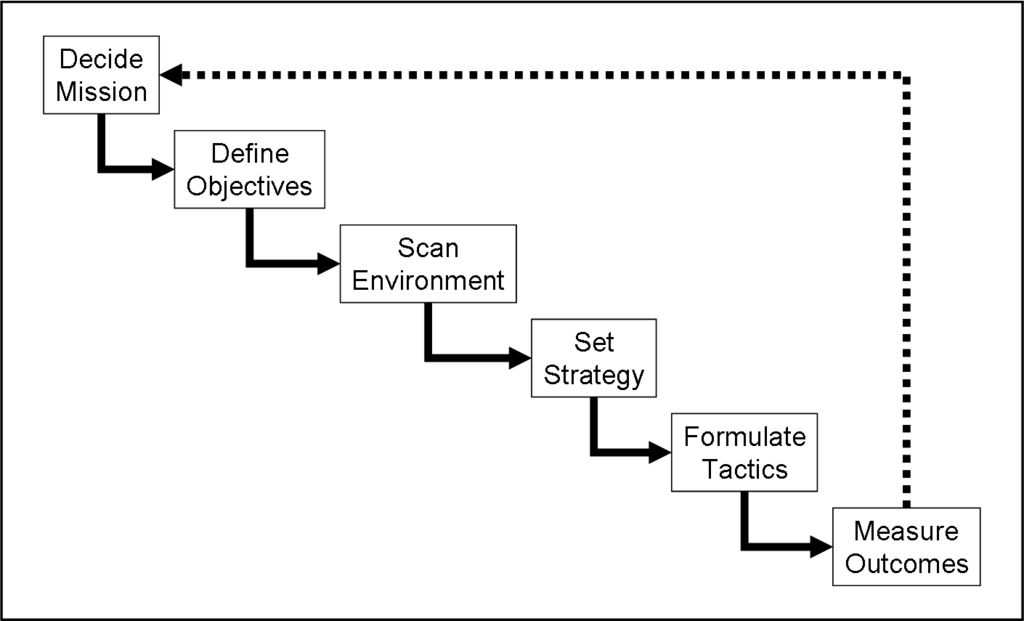
1. Preparation: This is the most critical stage. It's where you do your homework. You define what you want, research the other party and their interests, determine your BATNA and reservation price, and think about what the other side's might be. Good preparation prevents you from making a bad deal.
2. Opening: This is where both parties state their initial positions. It's the first exchange of offers or proposals. The tone you set here is important. Are you being collaborative or competitive? This stage sets the groundwork for what's to come.
3. Bargaining: This is the heart of the negotiation. It's the back-and-forth discussion where you and the other party explore options, trade concessions, and try to find common ground. This stage tests your communication and problem-solving skills.
4. Closing: Once you've found an agreement that falls within the ZOPA, you move to close the deal. This involves summarizing the terms, getting confirmation from both sides, and formalizing the agreement, whether it's with a handshake or a written contract.
Finding Your Style
People approach negotiation in different ways. Your style can depend on your personality, the situation, and your relationship with the other person. A common way to think about this is based on two factors: how much you care about your own outcome and how much you care about the other person's outcome.
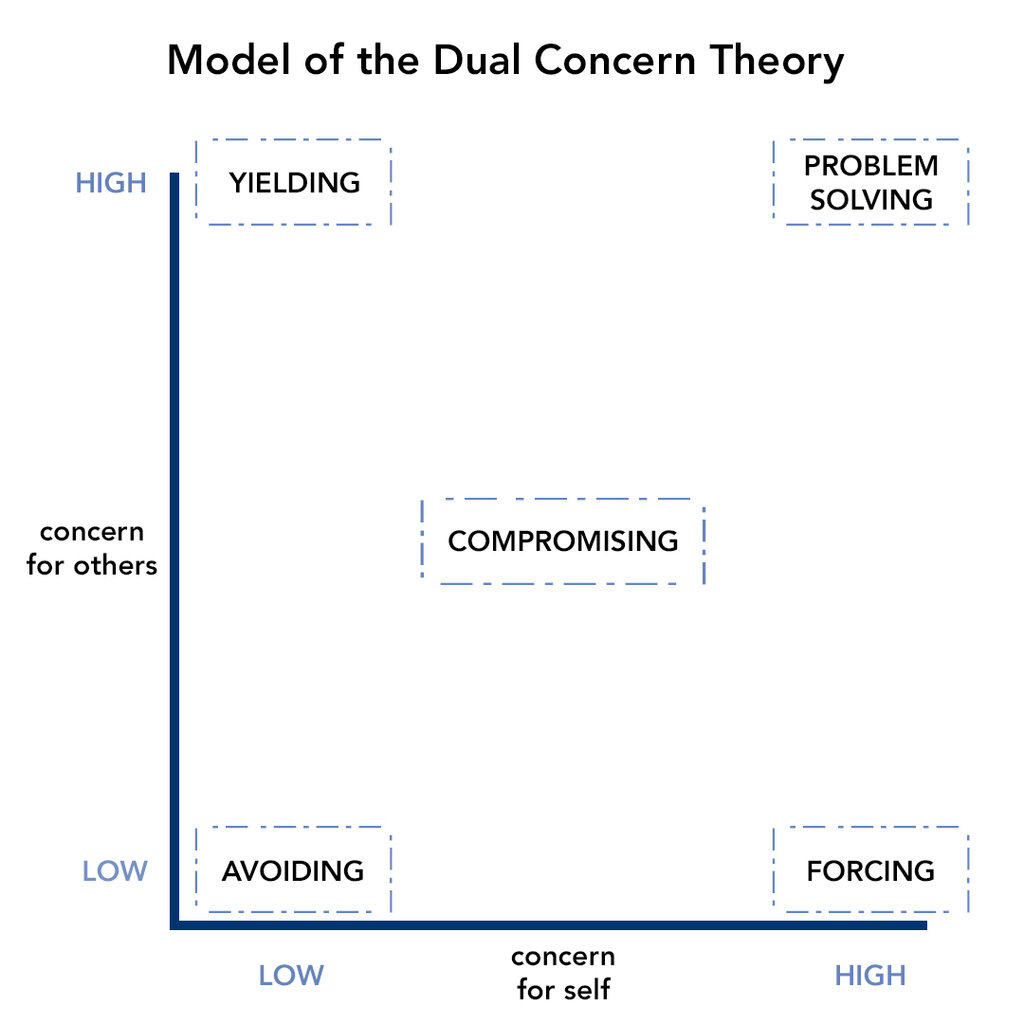
This gives us five basic styles:
| Style | Concern for Self | Concern for Others | Best For... |
|---|---|---|---|
| Competing | High | Low | Quick, decisive action is vital, like in an emergency. |
| Collaborating | High | High | Finding an integrative solution when both sets of concerns are too important to be compromised. |
| Compromising | Medium | Medium | Reaching a temporary settlement on complex issues or when under time pressure. |
| Avoiding | Low | Low | Trivial issues, or when the potential damage of confronting a conflict outweighs the benefits. |
| Accommodating | Low | High | When you realize you are wrong, or to build social credits for later issues. |
No single style is always the best. A skilled negotiator knows how to adapt their style to the situation. Sometimes you need to be competitive, but other times, collaboration will lead to a much better, more sustainable outcome.
Ready to check your understanding? Let's see what you've learned about the fundamentals of negotiation.
What is the primary goal of a successful negotiation?
A seller's lowest acceptable price for a house is 325,000. What does the $25,000 range between these two points represent?
Understanding these core concepts—BATNA, reservation price, ZOPA, and the different styles—provides a solid foundation for any negotiation you'll face.