Negotiate Your Year-End Bonus
Understanding Compensation Structures
More Than Just a Paycheck
When we think about getting paid, the first thing that usually comes to mind is salary. It's the steady number that hits our bank account. But that's only one piece of a much larger puzzle. To truly understand what you earn, you need to look at your total compensation.
This includes every form of payment and benefit you receive from your employer. It’s the full package, combining the predictable salary with other valuable elements that contribute to your financial well-being and job satisfaction.
A “total compensation” approach to benefits and compensation promotes the idea that your employees’ compensation is more than their paycheck – it’s the total of what’s available to them.
The Four Core Components
Total compensation is typically built on four pillars. Each one serves a different purpose, from providing stable income to offering long-term incentives.
salary
noun
A fixed regular payment, typically paid on a monthly or biweekly basis but often expressed as an annual sum, made by an employer to an employee.
Your base salary is the foundation. It's the guaranteed amount you earn for the work you do, before any extras are added. It provides predictable income for your day-to-day expenses.
Next are bonuses. These are variable payments given for achieving specific goals. A bonus might be tied to your personal performance, your team's success, or the company's overall profitability. Some companies also offer signing bonuses to attract new talent.
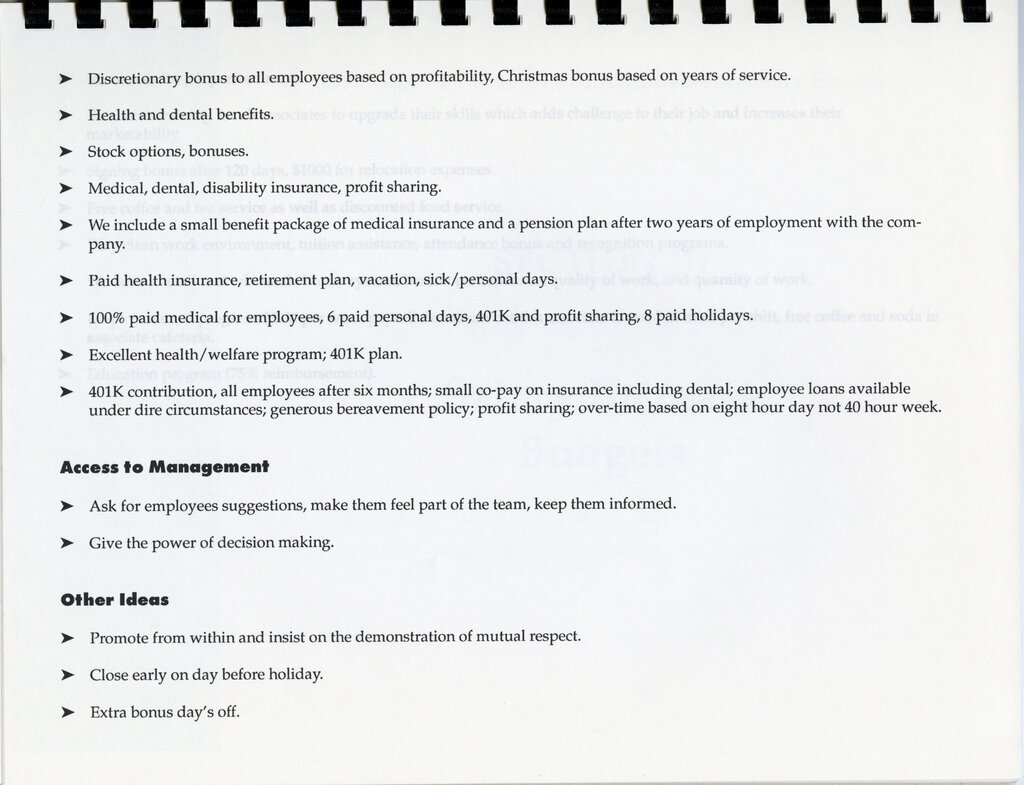
Benefits are a crucial, non-cash part of your compensation. This category includes things like health, dental, and vision insurance, retirement plans (like a 401(k) with a company match), paid time off, and parental leave. The value of these benefits can add up significantly.
Finally, many companies offer equity, which gives you a small ownership stake in the business. This often comes in the form of stock options or restricted stock units (RSUs). Equity aligns your interests with the company's long-term success. If the company does well and its stock value increases, so does the value of your equity.
Total Compensation = Base Salary + Bonuses + Benefits + Equity
How Your Pay Is Determined
Companies don't just pick numbers out of a hat. They use a structured approach to decide how much to pay employees. This process is usually influenced by a mix of internal and external factors.
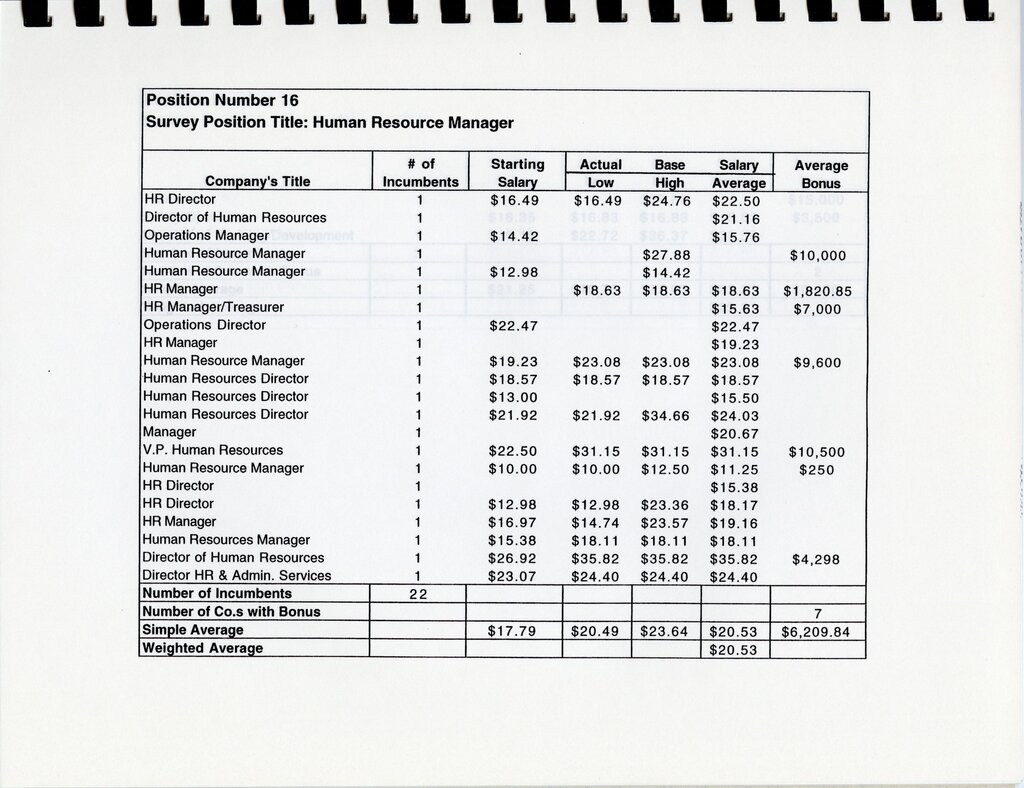
One of the biggest factors is industry standards. Businesses need to offer competitive pay to attract and keep talented people. They use market data and salary surveys to see what other companies in their industry and location are paying for similar roles. This helps them create a salary range for each position.
Company performance also plays a major role. If the company has a profitable year, it has more resources available for raises, bonuses, and better benefits. On the other hand, in a tough year, compensation budgets might be tighter.
Of course, your individual performance is key. Your skills, experience, and contributions directly impact your compensation. Strong performance reviews, taking on more responsibility, and developing new skills can all lead to higher pay. Most large organizations have formal compensation models, like salary bands or grades, that define a pay range for each level of seniority and responsibility. Your position within that range is often tied to your individual performance and experience.
Ready to check your understanding?
What are the four pillars of total compensation?
Which component of total compensation is designed to give employees an ownership stake and align their interests with the company's long-term success?
Understanding these components and the factors that shape them is the first step in assessing your own compensation. It allows you to see the full value of what you're offered and identify where there might be room for growth.