Negotiate Your Starting Salary
Understanding Salary Negotiation
Why Your First Salary Matters So Much
Getting a job offer is exciting. It's easy to get swept up in the moment and accept the first number they throw at you, especially if it's more than you were making before. But pausing to negotiate can have a massive impact on your financial future. That first salary isn't just a number for today; it's the foundation for all your future earnings.
Every future raise, bonus, and even cost-of-living adjustment will likely be calculated as a percentage of your base pay. A lower starting point means smaller increases over time. A slightly higher start, however, compounds year after year. Think of it like a snowball rolling downhill. A bigger snowball picks up more snow, growing much faster over the same distance.
Research shows that not negotiating a salary at the beginning of your career can add up to between 💲1 million and 💲1.5 million in lost earnings over a lifetime.
That initial negotiation sets the trajectory for your entire career's earnings. A 10-minute conversation could be worth more than a million dollars.
It's More Than Just Base Pay
When you get an offer, the number that usually gets all the attention is the base salary. But that's only one piece of the puzzle. Your total compensation is the full package of what you receive, and it's all potentially negotiable.
Focusing only on salary is like judging a car by its paint color. You need to look under the hood.
Here are the main components of a typical compensation package:
- Base Salary: The fixed, predictable income you receive.
- Bonuses: These can be one-time signing bonuses or performance-based bonuses tied to your work or the company's success.
- Benefits: This is a broad category that includes health, dental, and vision insurance, retirement plans (like a 401(k) with company matching), paid time off, and parental leave.
- Equity: Some companies, especially startups, offer stock options or restricted stock units (RSUs), giving you a small ownership stake.
- Other Perks: Don't forget about things like a budget for professional development, a flexible work schedule, or commuter benefits. These have real value.
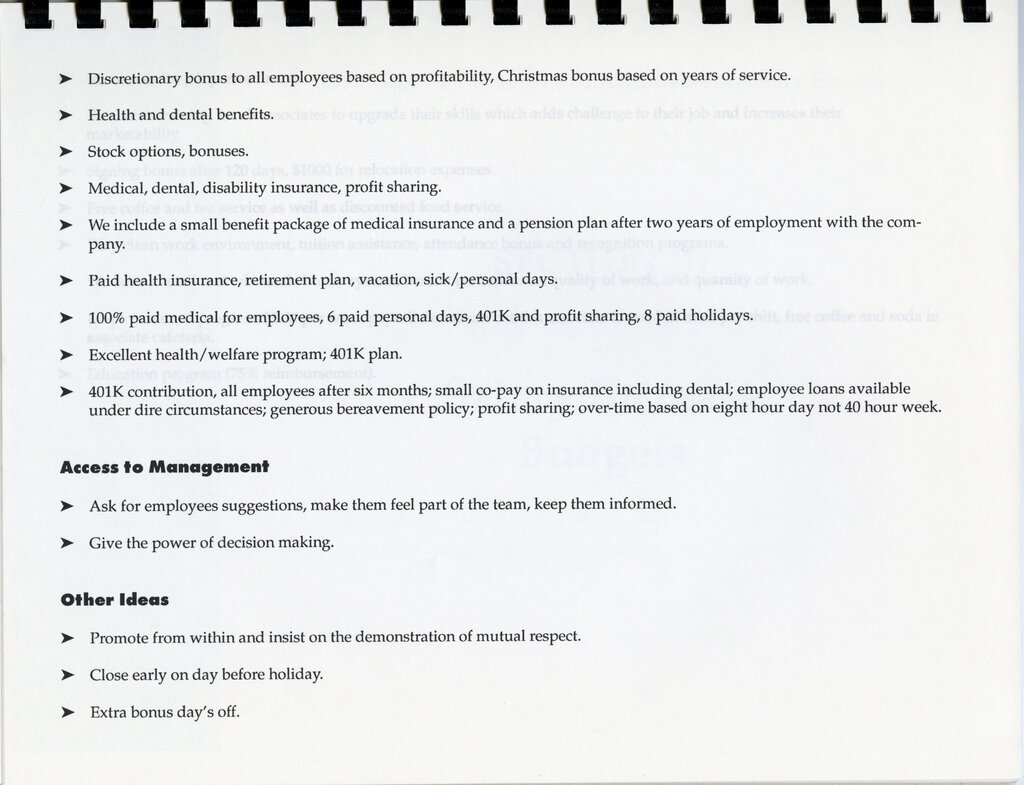
A job with a slightly lower base salary but an amazing benefits package, like a generous 401(k) match and great health insurance, could be worth more in the long run than a job with a higher salary and poor benefits.
The Psychology of the Ask
Negotiation isn't just about numbers; it's about people. Understanding a few key psychological principles can give you more confidence. One of the most powerful is the anchoring effect.
Anchoring
noun
A cognitive bias where an individual depends too heavily on an initial piece of information offered (the "anchor") when making decisions.
Simply put, the first number mentioned in a negotiation tends to have an outsized influence on the final outcome. All subsequent discussions are mentally framed around that initial anchor. This is why many recruiters ask for your salary expectations early on. If you name a number that's too low, you've anchored the negotiation in the employer's favor.

The goal isn't to start a conflict. It's to have a collaborative conversation about your value. Most employers expect you to negotiate. A respectful, well-prepared negotiation shows that you're confident and understand your worth, which are qualities they want in an employee.
Now that you understand the fundamentals, let's test your knowledge.
According to the principle of the 'anchoring effect', what is the most likely outcome if you are the first to name a low salary expectation during a negotiation?
Why is your initial starting salary so critical for your long-term earnings potential?