Negotiate Your Starting Salary
Understanding Salary Structures
More Than Just a Number
When you get a job offer, your eyes probably jump straight to the salary. It’s a big, important number, but it’s only one part of the story. What you’re actually being offered is a total compensation package. This includes everything the company provides in exchange for your work, from your direct paycheck to benefits and perks.
Thinking about the total package, not just the base salary, is key to understanding the true value of an offer.
Let's break down the most common pieces you'll find in a compensation package.
Base Salary
noun
The fixed amount of money you're paid on a regular basis, before any additions like bonuses or deductions like taxes. It's the foundation of your compensation.
On top of your base salary, you might see a few other types of cash compensation:
-
Bonuses: These are extra payments. A signing bonus is a one-time payment to entice you to accept the job. A performance bonus is typically paid out annually and is based on your performance and the company's success.
-
Equity: Some companies, especially startups, offer ownership in the form of stock. This could be stock options (the right to buy stock at a set price) or Restricted Stock Units (RSUs), which are shares given to you over time. Equity can become very valuable if the company does well.
Finally, there are the non-cash benefits, which can have a huge impact on your financial well-being and work-life balance. These often include health, dental, and vision insurance, retirement savings plans (like a 401(k) with a company match), paid time off for vacations and sick days, and sometimes perks like a professional development budget or a wellness stipend.
One of the most common mistakes we see early-career professionals make when negotiating is focusing too singularly on base salary.
What Determines Your Salary?
Companies don't just pick salary numbers out of a hat. Several factors come together to determine what a role is worth. These can be grouped into a few main categories.
A company weighs all these factors. They have a budget, but they also need to pay enough to attract talented people. They look at what competitors are paying for similar roles (the market rate) and also consider internal equity, which means paying employees in similar roles fairly relative to one another. Your own background—your years of experience, unique skills, and education—plays a huge part in where you'll land within their calculated range.
Finding Your Place on the Pay Scale
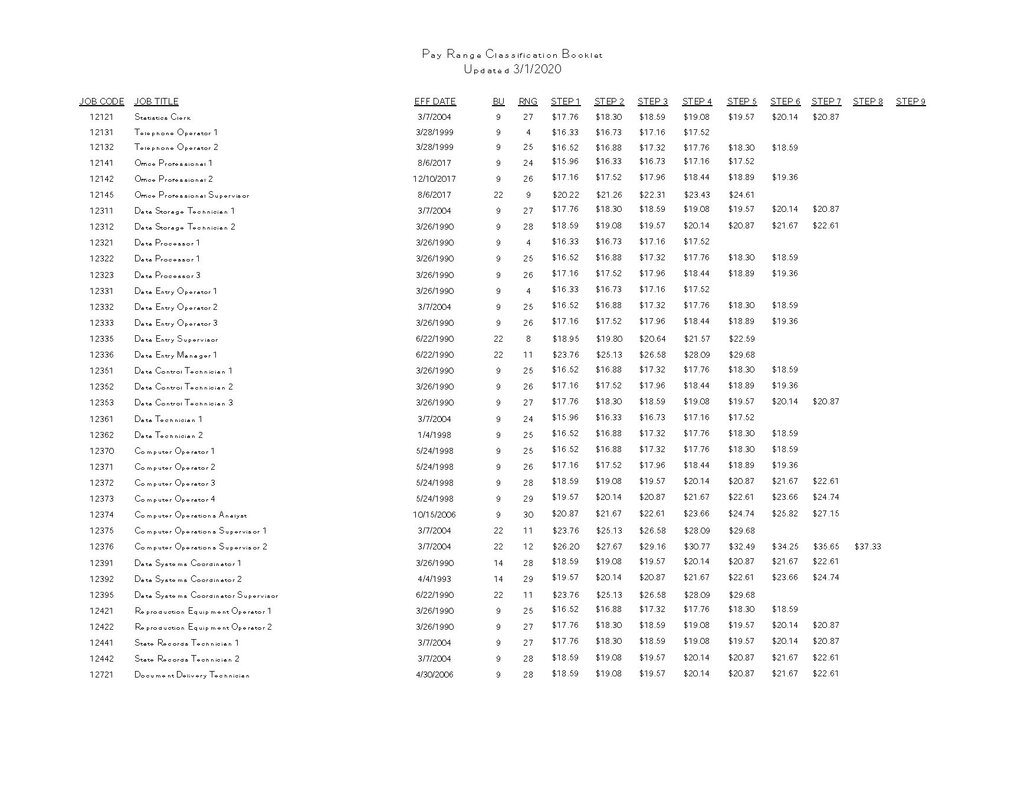
Most medium and large companies use salary ranges, sometimes called pay bands or pay scales, to create a structured and fair compensation system. A salary range is simply the minimum and maximum base salary a company is willing to pay for a particular job or level.
Think of it like a spectrum. For a
For example, a
position, the company might have a salary range of $80,000 to $120,000.
Where an offer falls within this range depends on the factors we just discussed. Someone who is new to the role but has high potential might be offered a salary closer to $80,000. A candidate who meets all the job requirements and has several years of relevant experience might land in the middle, around $100,000. Someone with extensive experience who exceeds all the requirements might receive an offer near the top of the range, at $120,000.
Understanding this structure helps you see why a company made a specific offer. It's not arbitrary; it's a reflection of how they value the role and where they see you fitting in. This knowledge is the first step toward having a productive conversation about your compensation.
Which of the following best describes a "total compensation package"?
A company offers a candidate a one-time payment of $5,000 specifically to encourage them to accept the job offer. What is this type of payment called?
Now that you understand the pieces of a compensation package and how they're determined, you're better equipped to evaluate any job offer that comes your way.