Negotiate Your Starting Salary
Understanding Salary Structures
More Than Just a Paycheck
When you get a job offer, the first number you probably look for is the salary. But that figure is only one piece of a much larger puzzle. To truly understand what you're being offered, you need to look at the entire compensation package.
Total compensation is the complete pay package a company offers an employee. It includes not just their base salary, but also all other financial incentives and benefits.
Let's break down what that actually means. The most straightforward part is the base salary. This is the fixed amount of money you're paid for the work you do, before any extras are added or taxes are taken out. It's usually expressed as an hourly rate or an annual salary.
Base Salary
noun
The fixed amount of money an employee is paid on a regular basis, before any additions or deductions.
The Rest of the Package
Beyond your base salary, there are many other components that add value to your compensation. These are often where offers can differ significantly.
First, there's variable pay. This is money that isn't guaranteed and is often tied to performance, either your own or the company's. Common forms include:
- Bonuses: A one-time payment for achieving specific goals.
- Commissions: A percentage of sales, common in sales roles.
- Stock Options or RSUs: A chance to own a piece of the company, which can become valuable if the company does well.
Then there are the benefits. These are non-cash perks that can save you a lot of money and improve your quality of life. Think of things like health, dental, and vision insurance. A good health plan can be worth thousands of dollars a year. Other key benefits include retirement savings plans (like a 401(k), often with a company match), paid time off for vacations and sick days, and paid parental leave.
Consider the total compensation package, not just the base salary.
A job with a slightly lower base salary but excellent health insurance and a generous 401(k) match might be worth more in the long run than a job with a higher salary but poor benefits.
Why Salaries Differ
You've probably noticed that the same job can pay very different salaries. That's because compensation isn't set in a vacuum. Companies consider several key factors to decide how much to pay for a particular role.
One of the biggest factors is geographic location. The cost of living varies dramatically from place to place, and salaries reflect that. A software engineer in San Francisco will earn more than one in Omaha, Nebraska, because it costs much more to live in San Francisco.
Industry standards also play a huge role. Tech and finance companies, for example, tend to pay more than non-profits or retail companies for similar roles, like an accountant or a marketing manager.
Finally, market conditions matter. This is about supply and demand. If there's a high demand for a specific skill (like artificial intelligence expertise) and not many people have it, companies will pay a premium to hire those workers.
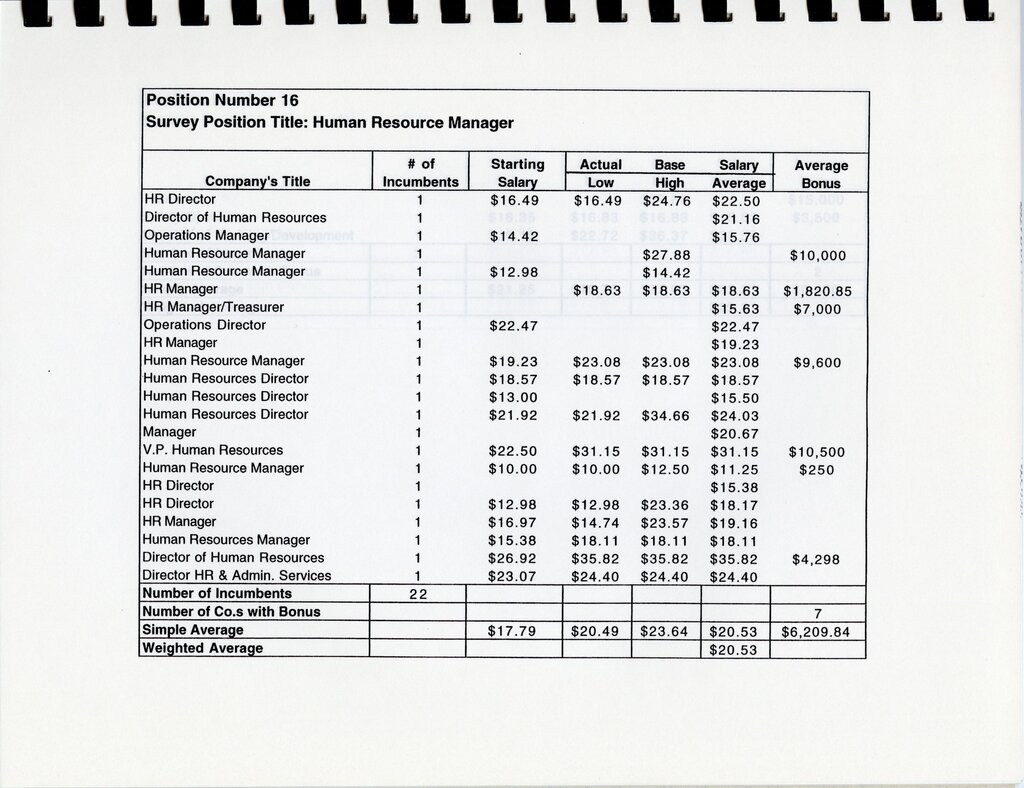
Companies gather data on all these factors to create a salary range for every position. This gives them a framework for making fair and competitive offers. Understanding these components and influences is the first step in being able to evaluate a job offer and see its true value.
What is the term for the fixed amount of money an employee is paid before any extras are added or taxes are taken out?
Which of the following components of a job offer is an example of 'variable pay'?
Knowing the building blocks of compensation gives you the context to assess any job offer you receive.