Negotiate Your Salary for Maximum Lifetime Earnings
Understanding Salary Structures
More Than Just a Number
When you get a job offer, the biggest number is usually the salary. It’s easy to focus only on that figure, but it’s just one piece of a larger puzzle. What you’re really being offered is a compensation package, which includes everything the company provides in exchange for your work.
Base Pay
noun
The fixed amount of money you receive on a regular basis, like weekly or monthly, before any additions or deductions. It's the predictable part of your income.
On top of your base pay, you might have variable pay. This is money that isn’t guaranteed and often depends on performance, either yours or the company's. Common examples include:
- Bonuses: A one-time payment. A signing bonus is offered when you join, while an annual bonus is often tied to meeting specific goals.
- Commissions: A percentage of sales you make. This is common in sales roles.
- Stock Options or RSUs: A chance to own a piece of the company. This gives you a stake in its long-term success.
Consider the total compensation package, not just the base salary.
Benefits and Perks
Some of the most valuable parts of a compensation package aren't direct cash. Benefits have a real monetary value and can significantly impact your financial well-being and work-life balance. These are the things that keep you healthy, help you save for the future, and give you time to recharge.
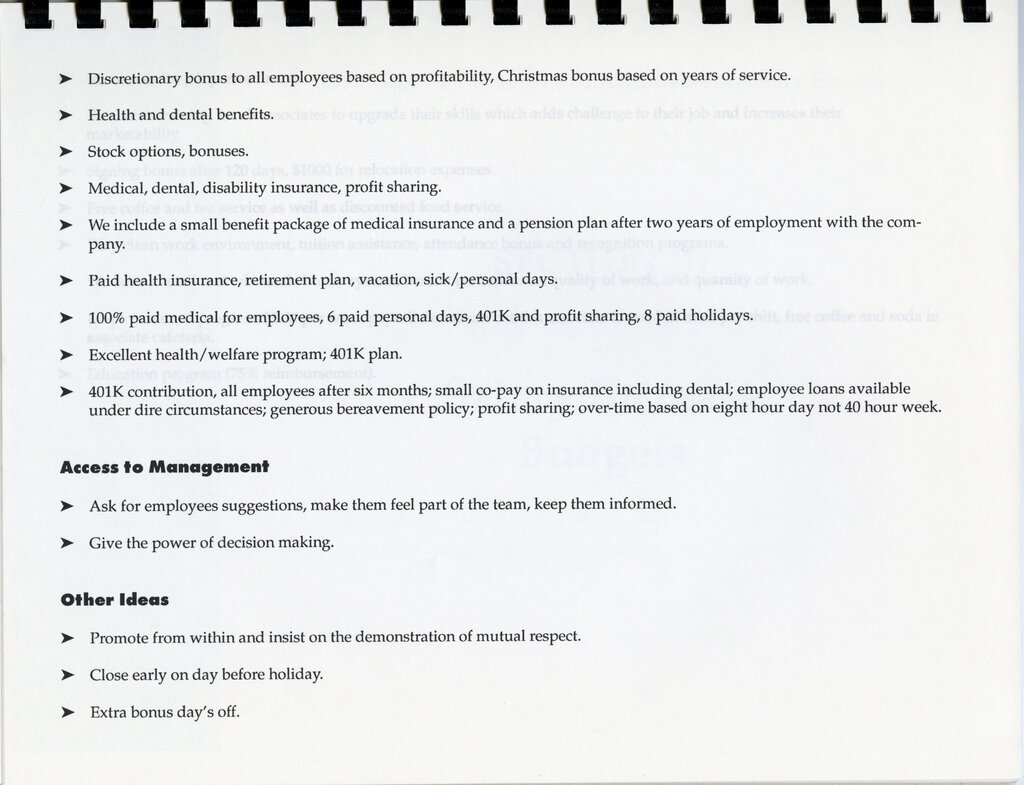
Key benefits to look for include:
- Health Insurance: Coverage for medical, dental, and vision care. A good plan can save you thousands of dollars a year.
- Retirement Plans: Programs like a 401(k) or 403(b). Many employers offer a "match," meaning they contribute money to your account when you do.
- Paid Time Off (PTO): This includes vacation days, sick leave, and paid holidays.
Beyond these standards, companies may offer other perks like funds for professional development, wellness stipends, commuter benefits, or flexible work schedules. These might seem small, but they add up to improve your overall quality of life.
Why Salaries Differ
Why does a software engineer in New York City make more than a graphic designer in a small town? Several factors create salary ranges for any given role. Companies don't just pick numbers out of thin air; they use data to stay competitive and fair.
Understanding these factors helps you set realistic expectations and evaluate whether an offer is fair for your specific situation.
Here are the main drivers behind salary levels:
Industry and Company Size: A tech startup might offer more equity, while a large, established financial firm might offer a higher base salary and bonus. Some industries, like pharmaceuticals or finance, generally pay more than others, like retail or education.
Geographic Location: Where you live matters. The cost of living varies dramatically between cities, and salaries are adjusted accordingly. A $100,000 salary in San Francisco doesn't go as far as the same salary in St. Louis.
Role and Experience: Your specific job duties, the skills required, and your experience level are huge factors. A senior manager with 15 years of experience will have a higher salary range than an entry-level coordinator in the same department.
| Job Title | San Francisco, CA | Austin, TX | Omaha, NE |
|---|---|---|---|
| Marketing Manager | $150,000 | $120,000 | $95,000 |
| Office Assistant | $65,000 | $50,000 | $42,000 |
Which of the following best defines a 'compensation package'?
Which of the following is an example of 'variable pay'?
Grasping these core ideas—the full compensation package and the factors that shape it—is the first step toward navigating your career. It provides the context you need to understand your value in the job market.