Neglected Tropical Diseases Explained
Introduction to NTDs
The Diseases of Poverty
Imagine a group of diseases that thrive in poverty, affecting over a billion people worldwide, yet receive very little global attention. These are the neglected tropical diseases, or NTDs. They are a diverse set of conditions found mainly in tropical and subtropical climates, where access to clean water, sanitation, and healthcare is limited.
The term "neglected" is key. These diseases persist because they primarily affect the world's poorest and most marginalized communities. Without strong political voices or economic power, these populations are often left behind by health systems and research funding. NTDs are not just a health problem; they are a symptom of deep-seated socioeconomic inequality.
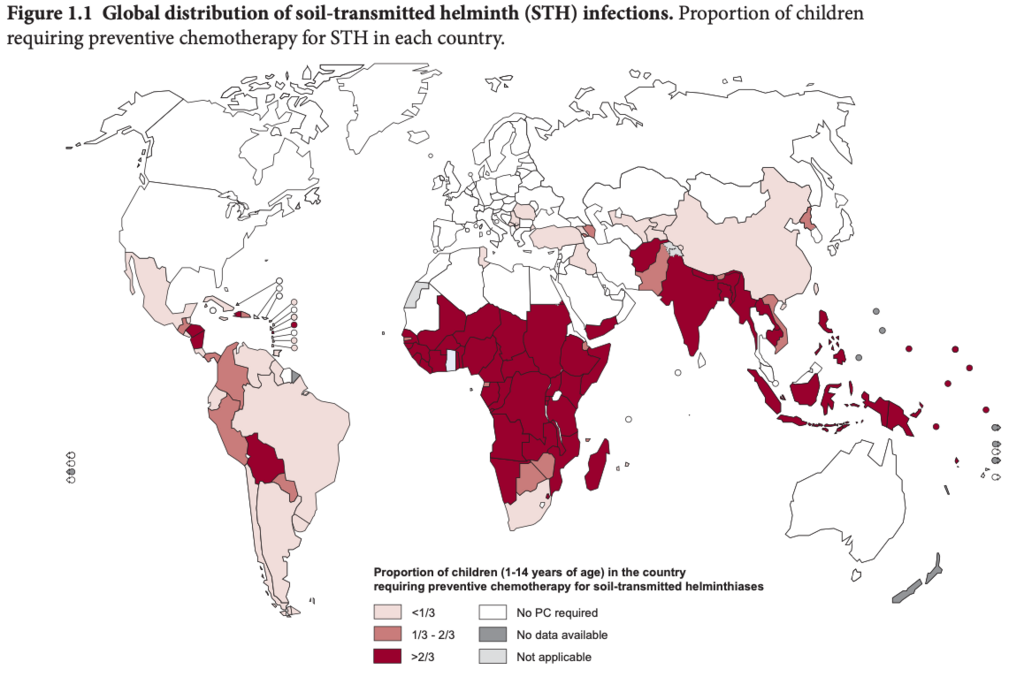
The World Health Organization (WHO) officially recognizes 20 conditions as NTDs. They are caused by a variety of pathogens, including viruses, bacteria, parasites, fungi, and even toxins from snakebites. While each disease is different, they share common features: they are disabling, disfiguring, and deadly, and they disproportionately impact communities living in poverty.
| Disease | Causative Agent |
|---|---|
| Buruli ulcer | Bacteria |
| Chagas disease | Parasite (Protozoa) |
| Dengue and Chikungunya | Virus |
| Dracunculiasis (Guinea-worm disease) | Parasite (Worm) |
| Echinococcosis | Parasite (Worm) |
| Foodborne trematodiases | Parasite (Worm) |
| Human African trypanosomiasis | Parasite (Protozoa) |
| Leishmaniasis | Parasite (Protozoa) |
| Leprosy (Hansen's disease) | Bacteria |
| Lymphatic filariasis (Elephantiasis) | Parasite (Worm) |
| Mycotoma, chromoblastomycosis... | Fungi |
| Onchocerciasis (River blindness) | Parasite (Worm) |
| Rabies | Virus |
| Scabies and other ectoparasitoses | Parasite (Mite) |
| Schistosomiasis | Parasite (Worm) |
| Soil-transmitted helminthiases | Parasite (Worm) |
| Snakebite envenoming | Toxin |
| Taeniasis/Cysticercosis | Parasite (Worm) |
| Trachoma | Bacteria |
| Yaws | Bacteria |
A Cycle of Suffering
The impact of NTDs extends far beyond physical illness. These diseases can cause severe pain, long-term disability, and social stigma that isolates individuals from their communities. For example, lymphatic filariasis can cause grotesque swelling of the limbs, making it impossible to work and leading to social exclusion.
Economically, the burden is immense. When adults are too sick to work or farm, families lose income. When children are infected, their growth and cognitive development can be stunted, limiting their educational attainment and future opportunities. This creates a vicious cycle where disease and poverty reinforce one another, trapping generations in hardship.
NTDs create a devastating cycle: poverty fosters the conditions for these diseases to spread, and the diseases, in turn, prevent people from escaping poverty.
Understanding this complex web of health, social, and economic factors is the first step toward creating effective strategies to control and eliminate these diseases for good.
What is the primary reason Neglected Tropical Diseases (NTDs) are concentrated in specific geographic regions?
The term "neglected" in Neglected Tropical Diseases primarily refers to the fact that these diseases...