Neck Massage Fundamentals
Neck Anatomy
Your Neck's Foundation
Your neck is an incredible structure, strong enough to support your head yet flexible enough to turn and tilt in nearly every direction. The foundation of this structure is a stack of seven small bones called the cervical vertebrae. Labeled C1 through C7, these bones connect your skull to your upper back.
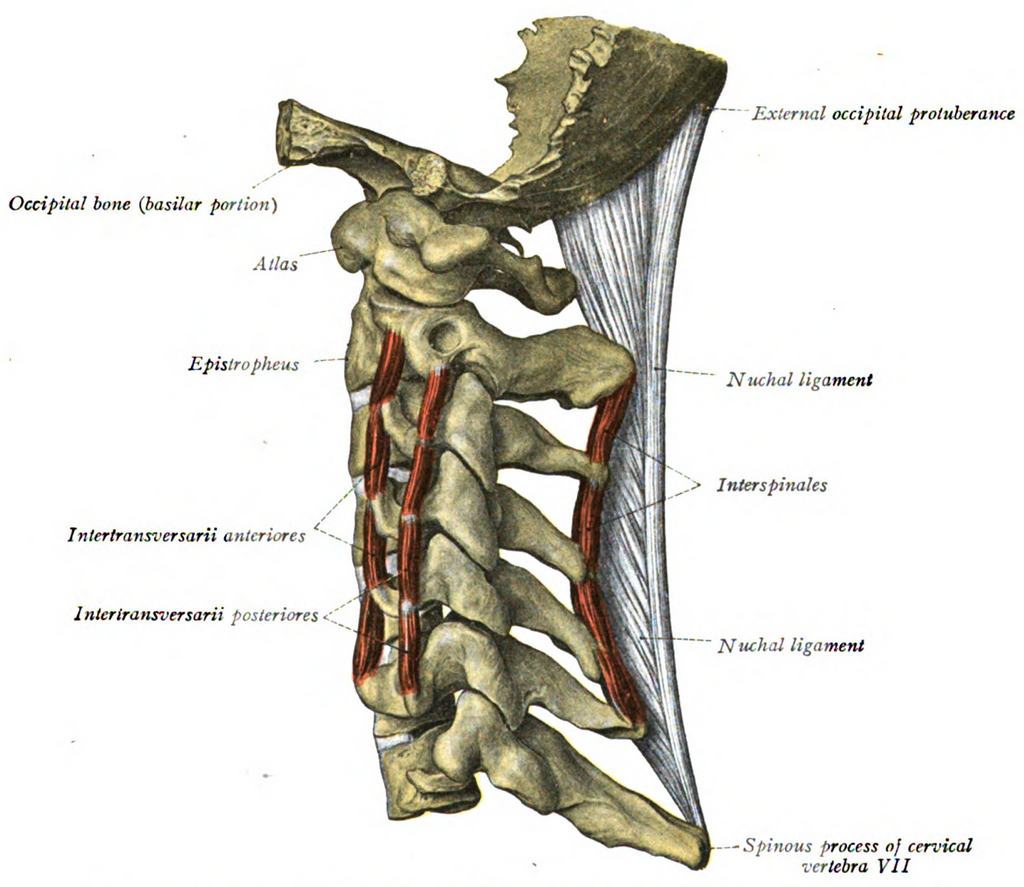
Think of them like a stack of blocks, but with a crucial difference. Between each vertebra sits a cushion-like disc that absorbs shock and allows for smooth movement. This bony column not only holds up your head but also protects the spinal cord, the main information highway between your brain and the rest of your body.
Meet the Major Muscles
While bones provide the frame, muscles do the moving. Three key muscles are responsible for most of your neck's movement and are often the culprits when you feel stiffness or soreness.
First is the sternocleidomastoid, or SCM for short. You have one on each side of your neck, and they are easy to find. Place your fingers on the bony bump behind your ear, then trace down diagonally toward the center of your collarbone. When you turn your head to one side, you can feel and see the opposite SCM pop out. These muscles help you turn your head and tilt it forward.
Next up is the trapezius, a large, diamond-shaped muscle that covers your upper back, shoulders, and the back of your neck. It’s so big that it's often split into three sections: upper, middle, and lower.
The upper fibers are what you probably think of as your neck muscles. They help you shrug your shoulders, lift your arms, and tilt your head back and to the side. This is a very common area to hold tension.
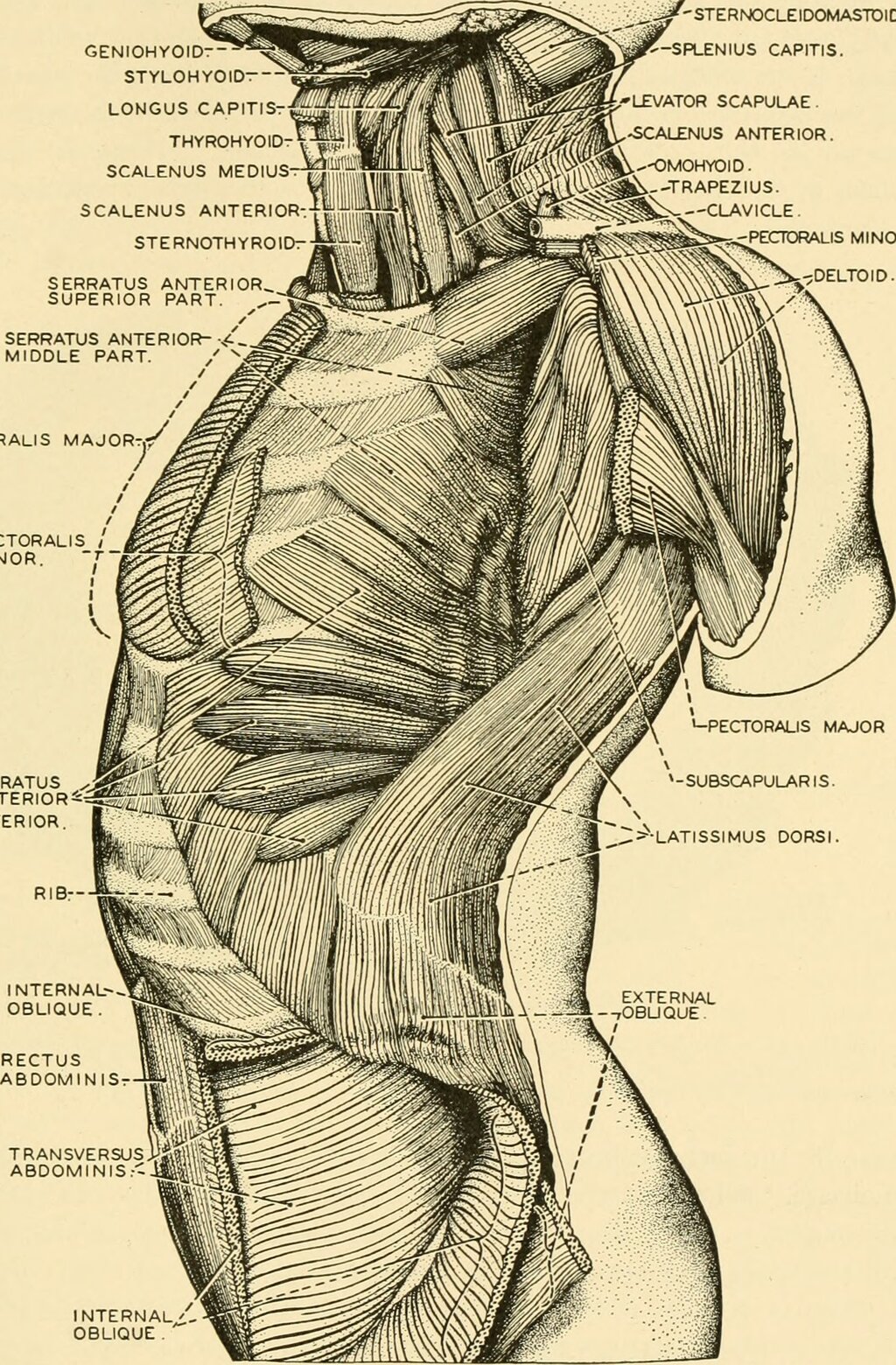
Finally, there's the levator scapulae. The name gives away its function: it elevates, or lifts, the scapula (your shoulder blade). This muscle runs from the top four cervical vertebrae down to the upper corner of your shoulder blade. Every time you lift your shoulder toward your ear, this muscle is working. It also helps bend your neck to the side.
Common Tension Hotspots
Now that you know the key players, it's easier to understand where neck discomfort comes from. Tension doesn't spread out evenly; it tends to collect in specific spots.

The most frequent hotspot is the angle where your neck meets your shoulders. This area is home to both the upper trapezius and the levator scapulae. Because these muscles are constantly working to support your head and move your shoulders, they can easily become tight and sore.
Another common area is along the sides of the neck, where the SCM muscles are located. Constant forward-head posture, like when looking at a phone or computer screen, can strain these muscles, leading to discomfort.
Understanding this basic map of your neck's bones and muscles is the first step toward addressing tension effectively.
Ready to check your understanding? This quiz will help you solidify your knowledge of the neck's structure.
How many cervical vertebrae form the structure of the neck?
What is the primary function of the levator scapulae muscle?
Knowing the layout of your neck anatomy gives you the power to identify exactly where you feel discomfort and provides a foundation for learning how to relieve it.