Near-Death Experiences and New Spiritual Movements
Introduction to Near-Death Experiences
What is a Near-Death Experience?
A near-death experience, or NDE, is a profound personal experience that some people report after being close to death or in a situation of intense physical or emotional danger. These aren't dreams or hallucinations. They happen when a person is clinically dead, such as during cardiac arrest, or when they believe they are about to die, like in an accident or during surgery.
While every NDE is unique, many share striking similarities. People from all over the world, regardless of their cultural or religious background, often describe a similar sequence of events and feelings.
Common features of an NDE include: an out-of-body sensation, moving through a tunnel toward a brilliant light, overwhelming feelings of peace, meeting deceased loved ones or spiritual figures, and seeing a panoramic review of one's life.
It's important to remember that not everyone who has a close brush with death has an NDE. And for those who do, their experience might only include one or two of these elements. The intensity and content can vary dramatically from person to person.
A Look Back in Time
The term "near-death experience" is modern, but the stories themselves are ancient. Long before medical science could revive people from the brink of death, accounts of journeys to the afterlife and back were part of human history.
One of the earliest known examples comes from the ancient Greek philosopher Plato. In his famous work The Republic, he tells the "Myth of Er," the story of a soldier who dies in battle. Twelve days later, as his body is about to be placed on a funeral pyre, Er awakens. He recounts his journey through the afterlife, describing a place of judgment and reincarnation. His story, told to teach about morality and the soul's fate, shares core elements with modern NDEs: leaving the body, traveling to another realm, and returning with a new understanding of life.
Similar accounts appear throughout history. The medieval English monk Bede wrote about a man who fell ill, died, and returned to life hours later, describing both heavenly and hellish visions he witnessed. These historical tales show that NDEs are not just a product of modern resuscitation techniques but a long-standing part of the human experience.
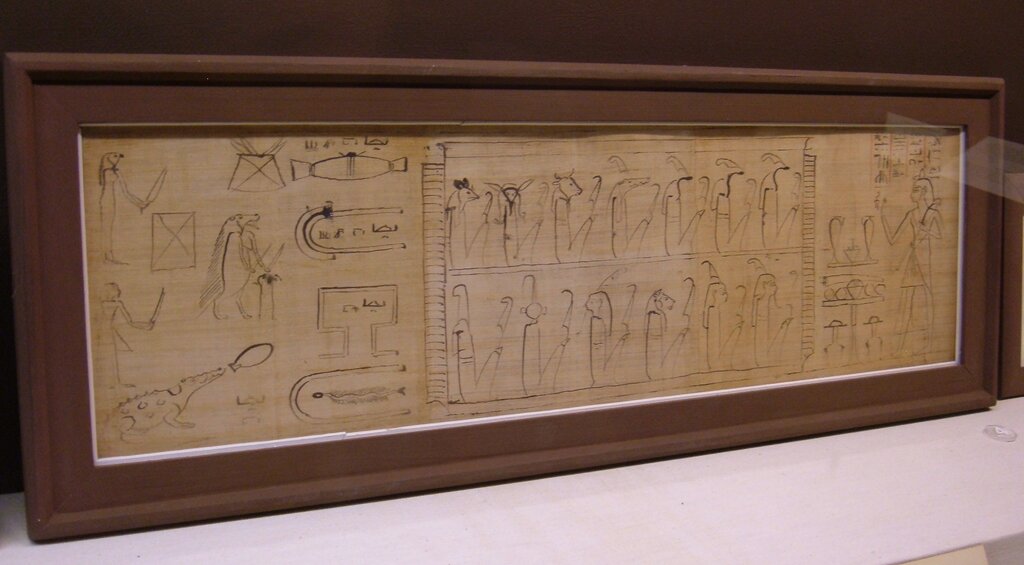
Through a Cultural Lens
While the core elements of NDEs can be remarkably consistent, the way people interpret them is often shaped by their cultural and personal beliefs. A person's background provides the vocabulary and symbols to make sense of such a profound event.
For example, the brilliant light is a common feature. A Christian might identify this light as God or Jesus. A Hindu might interpret it as the divine light of Brahman. Someone with no religious affiliation might simply describe it as a "being of light" that radiates pure love and acceptance. The experience is the same, but the label changes.
The figures encountered during an NDE are also culturally specific. Christians may see saints or angels, while a Buddhist from Thailand might report meeting Yama, the king of death in their tradition. Others see beloved family members who have passed away, a universal human experience that transcends any single belief system.
This shows how culture provides a framework for understanding an experience that might otherwise be indescribable. The underlying event seems to be universal, but the story told about it is deeply personal and filtered through the lens of one's own life and worldview.
Let's test your understanding of these foundational ideas.
A near-death experience (NDE) is best described as:
Which ancient text contains one of the earliest known accounts resembling a modern NDE, telling the story of a soldier who awakens after being presumed dead?
Understanding what NDEs are and how they have been viewed across time and culture provides a solid base for exploring this fascinating aspect of human consciousness.