NCLEX-RN Mastery: Cardiovascular Disorders
Clinical Judgment Frameworks
First Things First: Mastering Clinical Priorities
In a busy clinical setting, every patient seems to need your attention at once. The key to safe and effective nursing isn't multitasking—it's prioritizing. Clinical judgment frameworks provide a structured way to make these critical decisions, especially in high-pressure cardiac situations. The most fundamental of these is the ABC sequence.
Always assess and intervene in this order when prioritizing care—airway issues take precedence, followed by breathing and circulation.
Think of Airway, Breathing, and Circulation (ABC) as your non-negotiable first step. An obstructed airway is more immediately life-threatening than a circulation problem. A breathing problem is more critical than a circulation problem that isn't also affecting breathing. In cardiac care, many issues fall under 'C' for circulation. For example, if you have one patient reporting active chest pain and another who is due for a routine blood pressure medication, the chest pain takes priority. The chest pain signals an acute circulation crisis, while the medication is a scheduled maintenance task.
Layering Your Frameworks
Once the immediate, life-threatening ABCs are stable, you can broaden your assessment using other frameworks. This is where you begin to look at the bigger picture of patient needs. provides a powerful model for this, organizing human needs from the most basic to the most advanced. The ABCs fit squarely into the base of the pyramid: physiological needs.
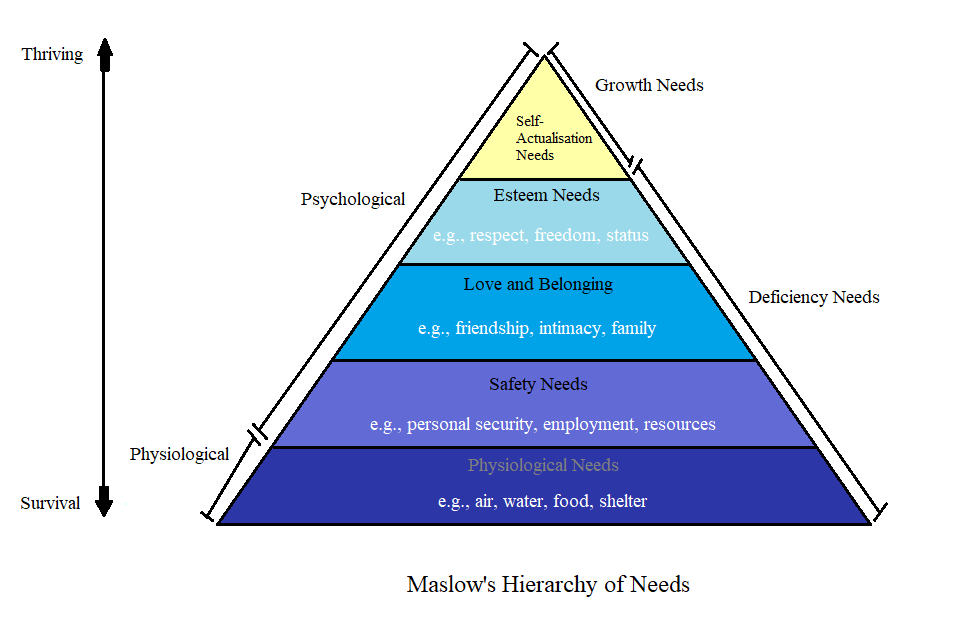
After confirming a patient's physiological stability (airway is clear, breathing is effective, circulation is adequate), you move up the pyramid to 'Safety'. This could involve preventing a fall for a post-operative patient or ensuring a confused patient doesn't pull out their IV line. Only after these physiological and safety needs are met can you effectively address psychosocial needs like anxiety or the need for family connection.
Acute vs. Chronic, Stable vs. Unstable
NCLEX scenarios often require you to choose which patient to see first. Two key distinctions will guide your decision: acute versus chronic, and stable versus unstable.
An acute condition is a new, sudden problem, whereas a chronic condition is a long-standing one. Always prioritize acute issues. A patient with sudden-onset atrial fibrillation is a higher priority than a patient with chronic heart failure who has a stable baseline.
An unstable patient's condition is changing or unpredictable, often with vital signs moving in a dangerous direction. A stable patient is predictable. A post-cardiac catheterization patient whose blood pressure is steadily dropping is unstable and needs immediate attention. A different patient who is two days post-op with vital signs consistently within normal limits is stable.
Prioritize the patient who is unstable with an acute problem over the patient who is stable with a chronic problem.
The Clinical Judgment Model
These frameworks all feed into a larger, systematic process for making clinical decisions. The (NGN) uses a specific six-step model to test your ability to think like a nurse. This isn't just a list to memorize; it's a way to organize your actions in any clinical scenario.
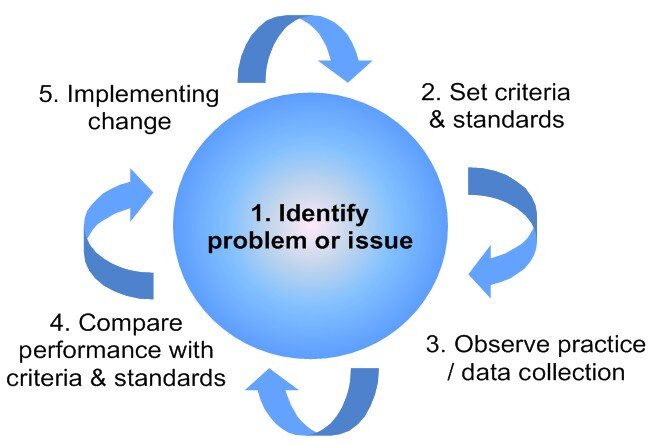
The six steps are:
- Recognize Cues: What data did I observe or receive? This includes vital signs, patient statements, and lab results.
- Analyze Cues: What does this data mean? How does it connect to the patient's condition?
- Prioritize Hypotheses: What are the most likely problems or explanations? This is where you decide which issue is most urgent.
- Generate Solutions: What are the possible interventions I could perform?
- Take Actions: Which intervention will I perform first?
- Evaluate Outcomes: Did the intervention work? What is the patient's response?
This process is circular. After evaluating outcomes, you gather new cues, and the cycle begins again. It’s a continuous loop of assessment, action, and reassessment that forms the core of sound clinical judgment.
You are a nurse on a cardiac unit. Which of the following four patients should you assess first?
A nurse is reviewing data for a patient. The data includes a blood pressure of 88/50 mmHg, a heart rate of 120 bpm, and a patient report of feeling dizzy. According to the NCLEX Clinical Judgment Model, determining that these signs point to hypovolemic shock is an example of which step?
By internalizing these frameworks, you move from simply knowing facts to applying them effectively, ensuring you always provide the safest and most appropriate care to your patients.