NC SC Soil Types for Septic and Timber
Soil Basics
More Than Just Dirt
When you look at the ground, you might just see dirt. But soil is a complex, living ecosystem. It's a mixture of ingredients that creates the foundation for much of life on Earth. A typical, healthy soil is only about half solid material. The other half is empty space, filled with air and water, which are essential for plant roots and tiny organisms.
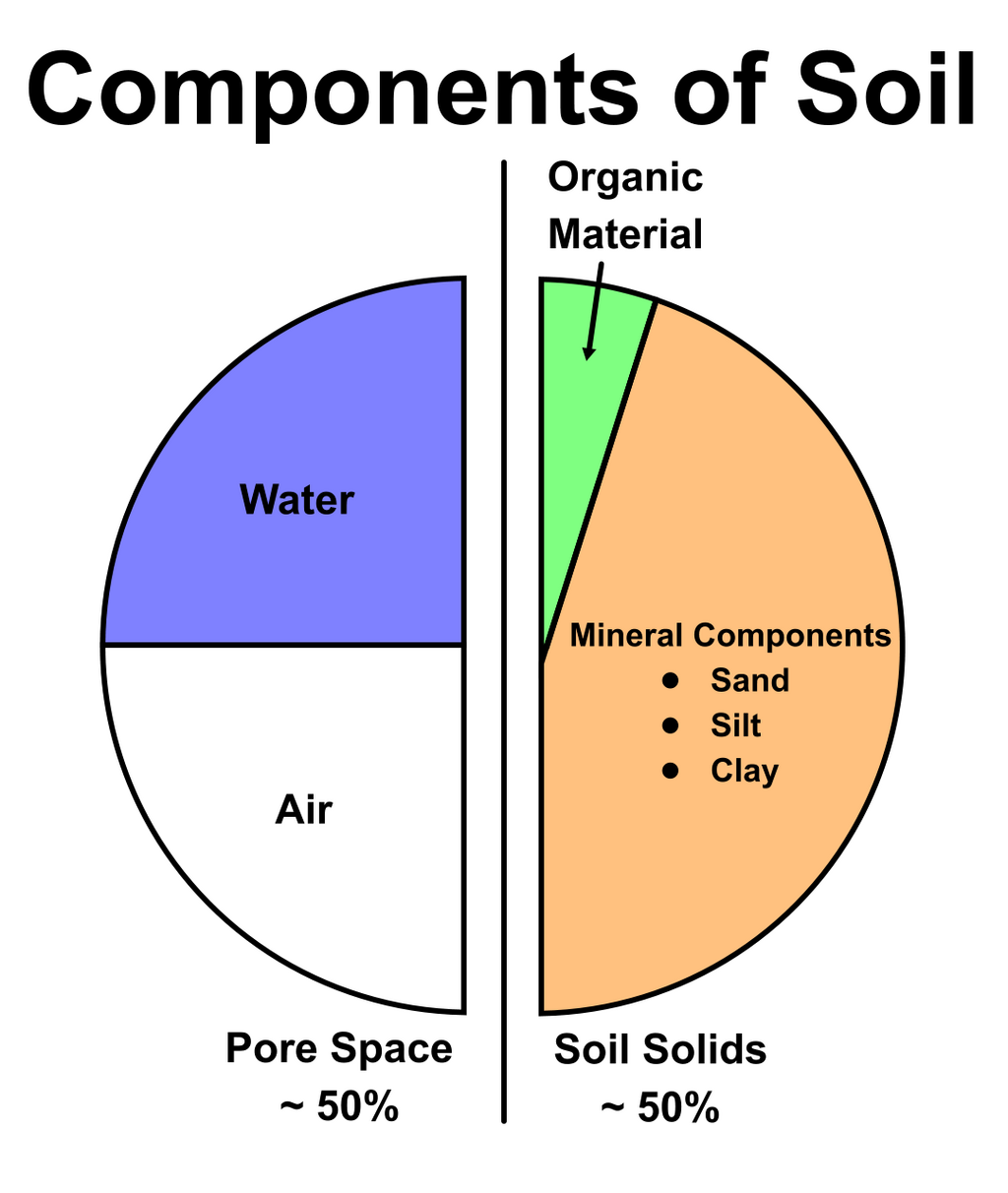
The solid part is mostly broken-down rock, which we call minerals. A small but crucial fraction is organic matter. This is the good stuff: decomposing leaves, dead roots, and all sorts of once-living things. This organic material provides nutrients and helps the soil hold water.
Together, these four components—minerals, organic matter, water, and air—create a unique environment. The balance between them determines how well the soil can support plants and structures.
A Matter of Texture
The mineral particles in soil come in three sizes: sand, silt, and clay. Imagine a beach ball, a marble, and a grain of flour. That's the relative difference in scale between a grain of sand, a particle of silt, and a particle of clay. Sand particles are the largest, feeling gritty to the touch. Silt particles are medium-sized, feeling smooth like flour when dry and silky when wet. Clay particles are microscopic and feel sticky when wet.
Soil texture is the recipe—the specific mix of sand, silt, and clay. This recipe determines how the soil behaves.
Scientists use a soil textural triangle to classify soils based on their blend of these three particles. By knowing the percentage of sand, silt, and clay, you can pinpoint the soil type.
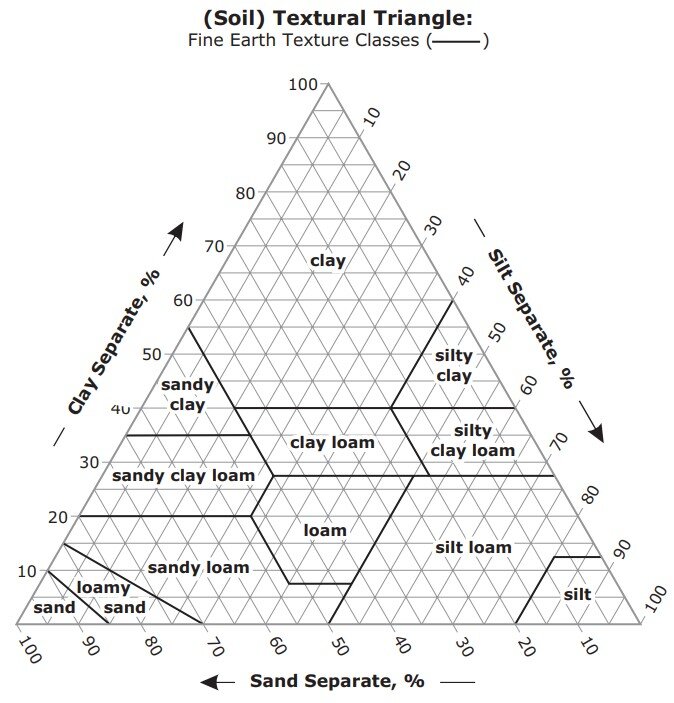
To read the chart, you find the percentage for each particle type along its designated axis and follow the lines inward. For example, a soil with 40% sand, 40% silt, and 20% clay falls into the "loam" category. Loam is often considered ideal for farming because it balances water retention (from clay and silt) with good drainage (from sand).
Building a Good Home for Roots
If texture is the ingredients, soil structure is how those ingredients are arranged. Soil particles rarely exist on their own. They clump together with organic matter to form aggregates. The arrangement of these aggregates creates the soil's structure.
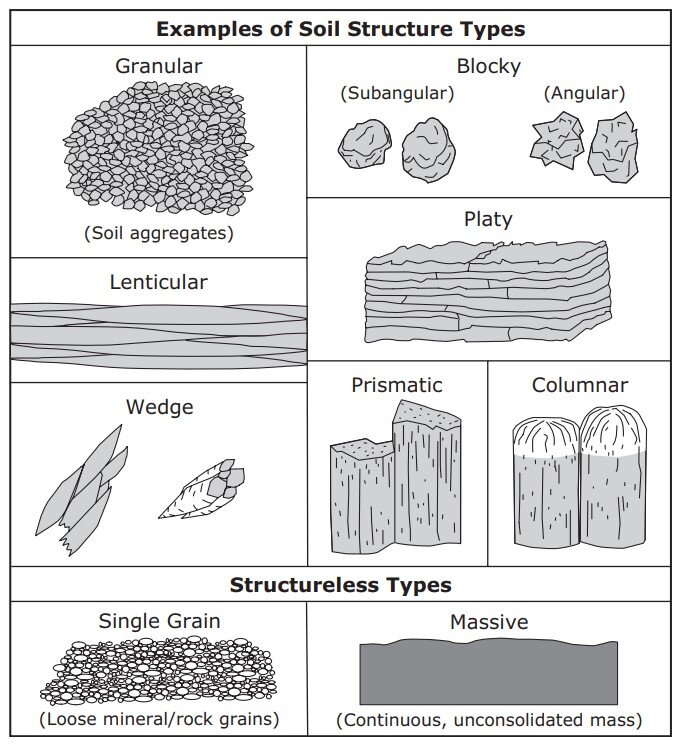
Good structure creates a network of pores and channels within the soil. Think of it like a sponge. These empty spaces are critical. They allow water to soak in and drain through, preventing both flooding and drought. They also let air circulate, providing oxygen for plant roots and the billions of microbes that live in the soil.
A soil with poor structure might be compacted, with very little pore space. Water would run off the surface instead of soaking in, and roots would struggle to penetrate the dense ground. A good, crumbly structure is a sign of healthy soil.
Mapping the Ground Beneath Us
You don't have to guess what kind of soil you have. For decades, scientists have been studying, classifying, and mapping soils. This information is compiled into soil surveys. A soil survey is like a detailed atlas of the soil in a specific area, such as a county.
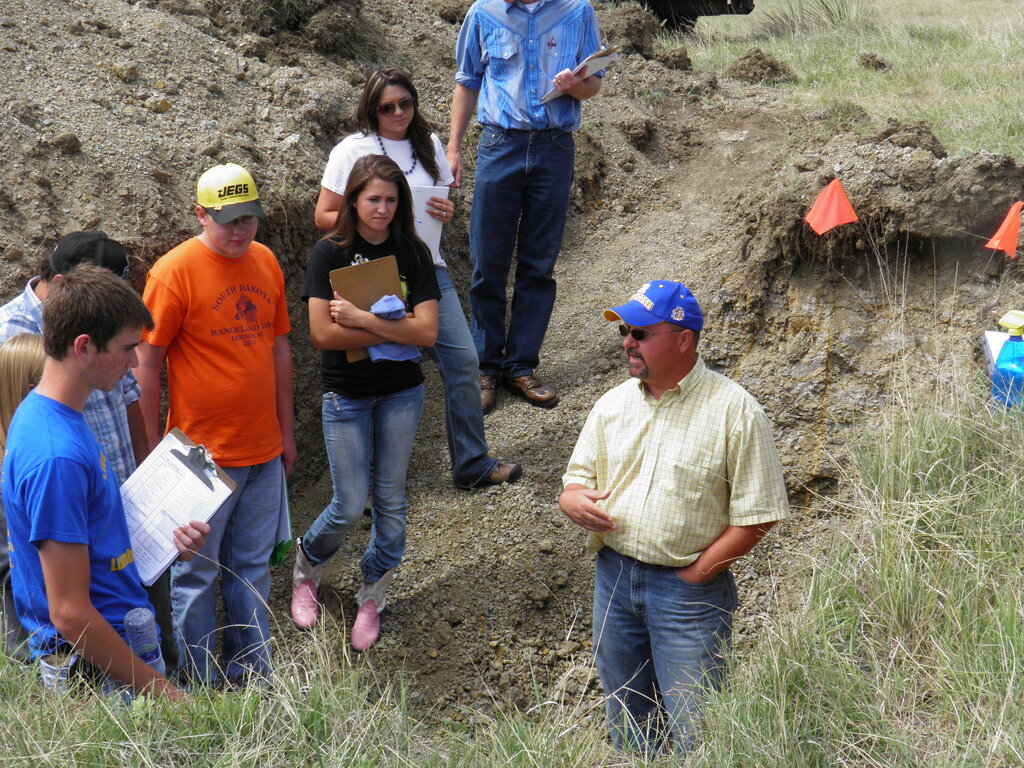
These surveys contain maps that show the boundaries between different soil types. They also include detailed descriptions of each soil, covering properties like texture, structure, depth, and what the landscape is like where the soil is found. Originally published as books, this data is now available online through tools like the Web Soil Survey from the USDA's Natural Resources Conservation Service (NRCS).
By understanding the basics of soil composition, texture, and structure, you can start to appreciate what these maps tell us. They are powerful tools for making informed decisions about how to use land, whether for building a house, planting a garden, or managing a forest.
Time to check your understanding of these core soil concepts.
A typical, healthy soil is a mixture of four main components. What are they?
Which of the following correctly lists the three types of soil mineral particles from largest to smallest?
Understanding these fundamentals is the first step in learning to read the land.