Nazism and the Rise of Hitler NCERT Guide
Weimar Republic Birth
The End of an Empire
By late 1918, Germany was on its knees. Four years of brutal warfare had shattered its economy, exhausted its people, and led to the deaths of over two million soldiers. The home front was collapsing under the strain of food shortages and political unrest. The military leadership, realizing the war was lost, advised the government to seek an armistice.
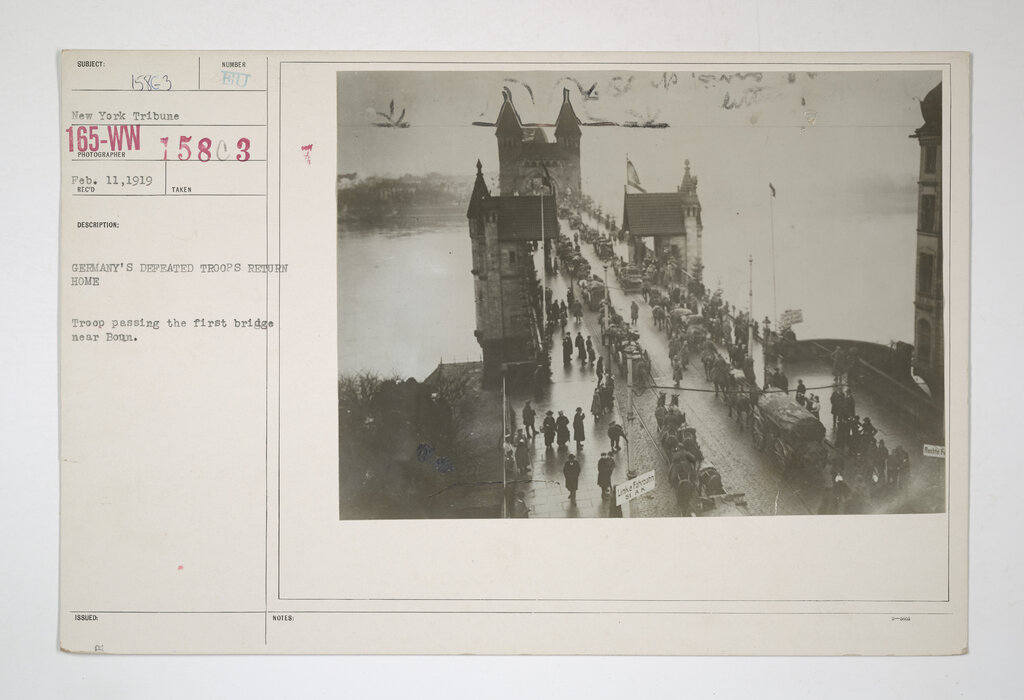
This desperate situation sparked widespread revolts. Sailors mutinied, workers went on strike, and councils of soldiers and workers, inspired by similar movements in Russia, began to form across the country. Facing a full-blown revolution and having lost the support of his army, Kaiser Wilhelm II had no choice. On November 9, 1918, he abdicated the throne and fled to the Netherlands, bringing an end to the German Empire.
A Democracy Born in Crisis
Into this power vacuum stepped the Social Democratic Party (SPD), which proclaimed a new republic. To escape the chaos and street fighting in Berlin, a National Assembly was elected to convene in the quiet city of Weimar to draft a constitution. This assembly created what was, on paper, one of the most progressive democratic frameworks in the world. It granted universal suffrage to all men and women over 20, established fundamental civil rights, and created a parliamentary system.
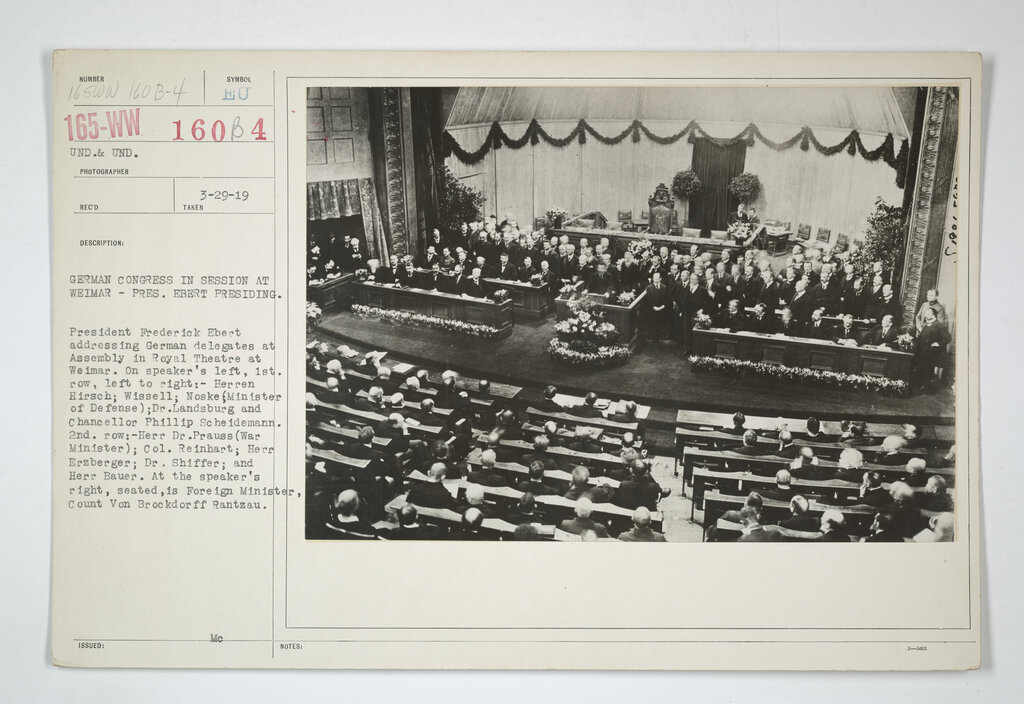
However, the constitution contained critical structural weaknesses that would plague the new republic. The voting system used proportional representation, which meant that any party receiving even a small percentage of the national vote was granted seats in the Reichstag, the German parliament. While intended to be fair, this system led to a proliferation of small, often extremist, political parties. No single party could ever win a majority, forcing the creation of weak and unstable coalition governments that frequently collapsed.
More ominously, the constitution included , an emergency powers clause. It allowed the President to suspend civil liberties and rule by decree if public order was seriously threatened. This provision was meant to be a safeguard for democracy in times of crisis. Instead, it became a constitutional backdoor to authoritarian rule, a tool that would later be exploited to dismantle the very democracy it was designed to protect.
The Weight of Versailles
While the new government was finding its footing, the Allied powers met in Paris to decide the terms of peace. The resulting Treaty of Versailles was a crushing blow to Germany. The delegates were not invited to negotiate; they were simply presented with the terms and forced to sign. This dictated peace, or Diktat as it was known in Germany, was seen as a national humiliation.
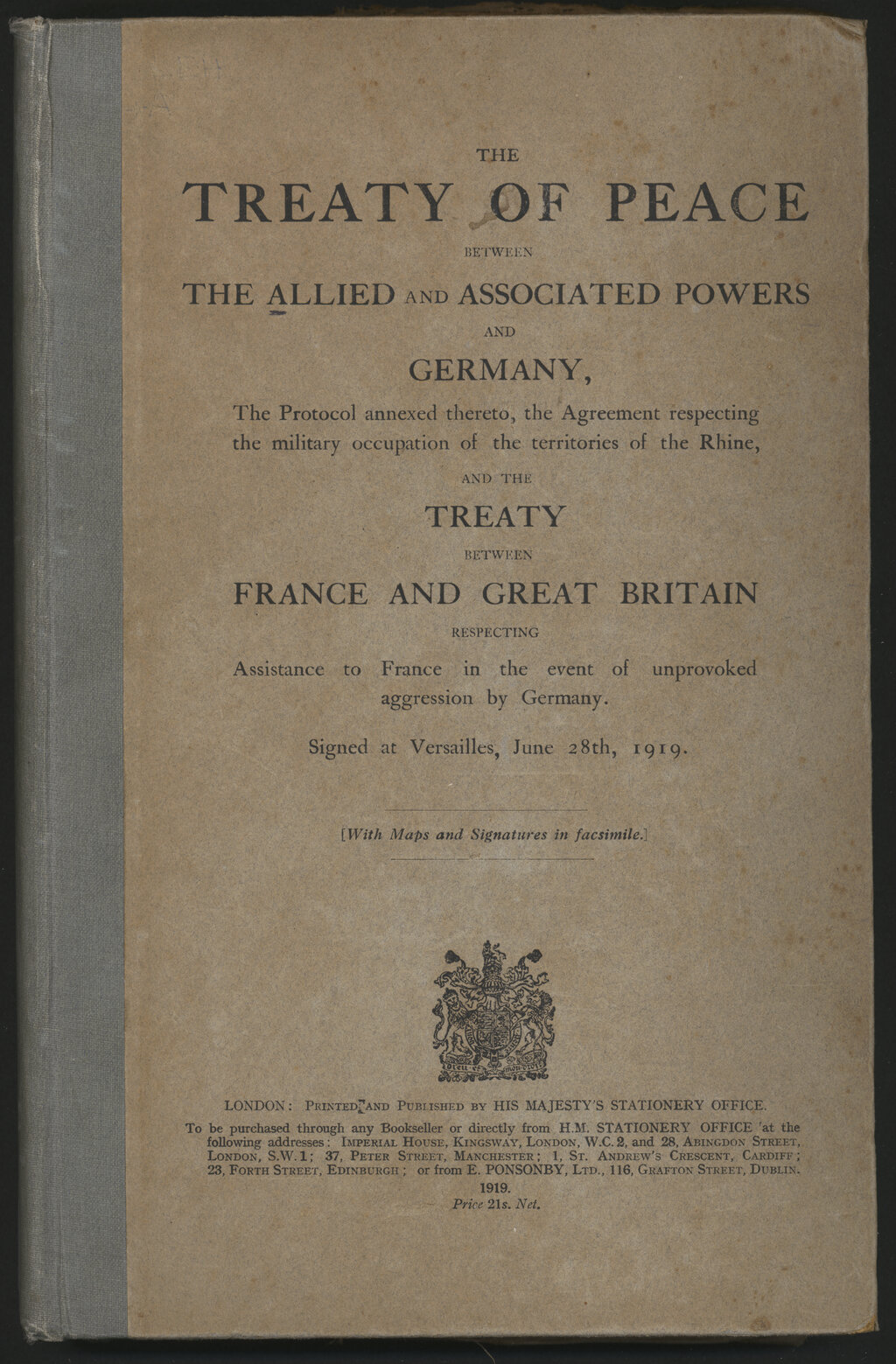
The terms were severe. Germany lost all its overseas colonies and 13% of its European territory, including the industrial region of Alsace-Lorraine to France. Its army was drastically reduced to just 100,000 men, and its navy was scuttled. The Rhineland, a key industrial area, was demilitarized.
| Provision | Details |
|---|---|
| Territorial Losses | Lost Alsace-Lorraine, parts of Prussia, and all overseas colonies. |
| Military Restrictions | Army limited to 100,000 men; no air force, tanks, or submarines. |
| War Guilt Clause | Article 231 forced Germany to accept sole blame for the war. |
| Reparations | Initially set at 269 billion gold marks, later reduced to 132 billion (around £6.6 billion). |
Perhaps the most damaging parts of the treaty were psychological. Article 231, the infamous "", forced Germany to accept sole responsibility for starting the war. This clause became the legal basis for the massive reparations payments demanded by the Allies, which were intended to cover the entire cost of the war. The immense financial burden would cripple the German economy for years to come.
The politicians who signed the armistice and later the treaty were branded as the "" by right-wing nationalists and military figures. This powerful myth claimed that the German army had not been defeated on the battlefield but was instead "stabbed in the back" by treacherous civilians on the home front. The Weimar Republic was thus born under a cloud of defeat, humiliation, and betrayal, its legitimacy challenged from the very start.
The Treaty of Versailles imposed comprehensive terms and provisions on Germany to formally end World War I.
This combination of internal constitutional flaws and external pressures created an incredibly fragile foundation for Germany's first democracy. It was an experiment born in crisis, tasked with leading a nation that felt betrayed by both its old leaders and its new ones.