Navigating Your Professional World
Understanding the Workplace
What Makes a Workplace “Professional”?
A professional work environment is more than just a physical place where work happens. It's a structured setting where people collaborate to achieve a common goal, whether that's building software, caring for patients, or selling products. Think of it as a community with its own set of rules, expectations, and personality.
Every workplace has a unique feel, often called its culture. This culture is the shared set of values, beliefs, and practices that shape how people behave and interact. It’s the unwritten rulebook that guides everything from how people dress and communicate to how they celebrate success or handle failure. Some cultures are fast-paced and competitive, while others might be more relaxed and collaborative. Understanding this culture is the first step to navigating any new professional environment.
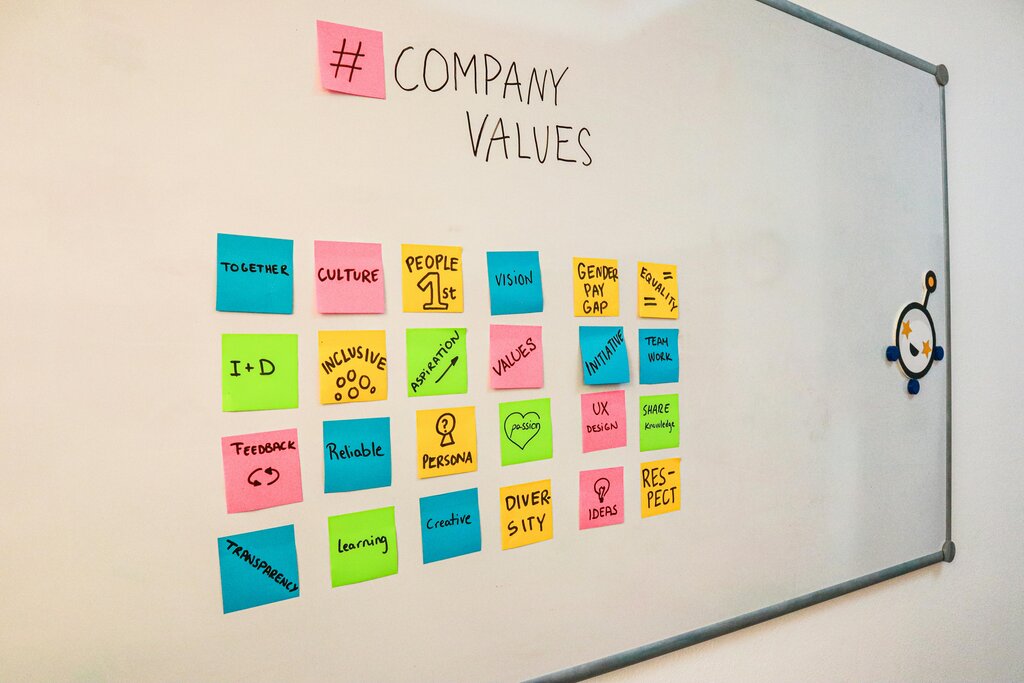
Workplace culture shows up in many ways:
- Communication Style: Do people prefer quick emails, formal meetings, or instant messages?
- Work-Life Balance: Are employees encouraged to disconnect after hours, or is there an expectation to always be available?
- Values: Does the company prioritize innovation, customer satisfaction, or community impact?
Paying attention to these cultural clues will help you understand how to fit in and be effective.
Who's Who? Structures and Roles
To get things done efficiently, organizations need structure. This organizational structure is like a blueprint that shows how different roles and departments are connected and who reports to whom. It clarifies how decisions are made and how information flows through the company.
One common type is a hierarchical structure, which looks like a pyramid. At the top, you have leaders like a CEO, with layers of management below them. This creates a clear chain of command. In contrast, a flat structure has fewer layers of management. This can empower employees to make more decisions on their own and communicate more directly with leadership.
Within these structures, every person has a specific role with a set of responsibilities. Your role is your job, and your responsibilities are the tasks and duties you're expected to perform. Understanding your role and how it connects to your team and the wider organization is crucial. It helps you prioritize your work, understand who to collaborate with, and see how your contributions help the company succeed.
The Rules of the Game
Beyond culture and structure, every workplace operates on principles of professionalism and ethics. Professionalism isn't just about how you dress; it's a code of conduct. It means being reliable, meeting deadlines, communicating respectfully, and taking ownership of your mistakes. It’s about demonstrating competence and maintaining a positive attitude, even when things are challenging.
Professionalism is the standard of behavior that makes a workplace function smoothly and respectfully.
Ethics are the moral principles that guide your behavior at work. They are the foundation of trust between you, your colleagues, and your customers. Acting ethically means being honest, fair, and transparent in your work. It involves protecting confidential information, avoiding conflicts of interest, and treating everyone with respect.
Together, professionalism and ethics create a positive and productive environment where people feel safe, valued, and motivated to do their best work. They are the bedrock of a successful career.
Now, let's test your understanding of these foundational concepts.
What is the best definition of workplace culture?
In an organization with a flat structure, what is a likely characteristic?
By understanding these core elements—culture, structure, roles, and professional conduct—you're well-equipped to navigate any professional environment.